Organic Food for Cats with Allergies: Best Options for Sensitive Cats
Table of Contents
If your cat suffers from allergies, you know how challenging it can be to find the right hypoallergenic cat food. Allergies in cats can manifest in various ways, from skin irritations to digestive issues, making it crucial to identify the best diet for your sensitive feline.
Choosing the right organic food can significantly improve your cat’s quality of life. Organic options often eliminate common allergens found in traditional cat foods, providing a gentler diet for cats with sensitivities.
Understanding the benefits of best cat food for allergies and how to manage your cat’s allergies through diet is essential. In this article, we’ll explore the best options available and guide you in making an informed decision for your cat’s health.
Understanding Feline Allergies and Food Sensitivities
As a cat owner, recognizing the signs of feline allergies can be the first step towards relief for your pet. Feline allergies and sensitivities can manifest in various ways, making diagnosis challenging. Understanding these complexities is crucial for providing the right care.
Common Allergens in Commercial Cat Foods
Commercial cat foods often contain common allergens that can trigger or exacerbate allergies in cats. Beef, dairy, and fish are among the top allergens, alongside grains and artificial additives. These ingredients, while convenient and cost-effective for manufacturers, can lead to discomfort and health issues in sensitive cats.
Signs Your Cat May Have Food Allergies
Identifying food allergies in cats involves observing both physical symptoms and behavioral changes.
Physical Symptoms to Watch For
Common physical symptoms include skin irritation, excessive scratching, and digestive issues. Cats with food allergies may also exhibit hair loss or poor coat condition. These symptoms can significantly impact your cat’s quality of life.
Behavioral Changes That Indicate Allergies
Behavioral changes can be just as telling. Cats with allergies may become more lethargic or irritable, and some may exhibit increased vocalization or changes in appetite. Recognizing these signs early can help you address the issue more effectively.
By understanding the common allergens and signs of feline allergies, you can take a proactive approach to managing your cat’s health. Transitioning to a more natural diet, such as organic cat food, can be a beneficial step.
The Benefits of Organic Food for Cats with Allergies
The right diet is essential for cats with allergies, and organic food is increasingly being considered as a viable option. Organic cat food can offer several benefits for cats suffering from allergies, primarily due to its composition and production methods.
One of the primary advantages of organic food for cats with allergies is the reduction in exposure to artificial ingredients and additives. Unlike conventional cat foods that may contain preservatives, colors, and flavor enhancers, organic cat food tends to use more natural ingredients.
Fewer Artificial Ingredients and Additives
Organic cat food typically avoids artificial preservatives, colors, and flavors, which are common allergens or irritants in conventional cat foods. By choosing organic, you can minimize your cat’s exposure to these potential irritants. For instance, organic cat food often uses natural preservatives like vitamin E or tocopherols instead of artificial preservatives such as BHA or BHT.
Higher Quality Protein Sources
Organic cat foods often feature higher quality protein sources, such as free-range chicken or sustainably sourced fish. These protein sources are not only more in line with a cat’s natural diet but are also less likely to cause allergic reactions compared to lower quality protein sources found in some conventional cat foods.
Using named protein sources (e.g., chicken, salmon) rather than generic terms (e.g., “meat”) can help you identify potential allergens more easily. This transparency is a significant advantage when managing your cat’s allergies.
Sustainable and Ethical Production Methods
Organic cat food production often adheres to more sustainable and ethical farming practices. This aspect is not only beneficial for the environment but can also result in a healthier product for your cat. Sustainable farming tends to produce ingredients that are richer in nutrients and lower in contaminants.
By choosing organic cat food, you’re supporting farming practices that prioritize animal welfare and environmental sustainability. This can be particularly appealing to pet owners who value these aspects.
How to Identify Your Cat’s Specific Food Allergies
Your cat’s food allergies can be identified and managed with the help of a veterinarian and a systematic approach. Diagnosing food allergies in cats requires a combination of professional guidance, careful observation, and a methodical process to determine the specific allergens causing the reaction.
Working with Your Veterinarian
The first step in identifying your cat’s food allergies is to consult with your veterinarian. They will help rule out other potential causes of your cat’s symptoms, such as flea allergy dermatitis or atopic dermatitis. Your veterinarian may perform a physical examination, take a complete medical history, and possibly conduct some diagnostic tests to determine if food allergies are the likely cause of your cat’s symptoms.
Collaboration with your veterinarian is crucial because they can provide valuable insights and guidance throughout the diagnostic process. They can also help you understand the best approach for your cat’s specific situation.
Conducting an Elimination Diet
One of the most effective ways to diagnose food allergies in cats is through an elimination diet. This involves feeding your cat a novel protein source and a unique carbohydrate source for a period of time, usually 8-12 weeks, to see if their symptoms improve.
Step-by-Step Elimination Process
- Select a hypoallergenic cat food that contains a novel protein source, such as venison or duck.
- Feed this food exclusively for 8-12 weeks, avoiding any other foods or treats.
- Monitor your cat’s symptoms closely during this period.
Tracking and Documenting Results
Keep a detailed log of your cat’s symptoms, including the severity and frequency. This will help you and your veterinarian assess whether the elimination diet is effective.
| Food Type | Protein Source | Carbohydrate Source |
|---|---|---|
| Hypoallergenic | Venison | Potatoes |
| Grain-Free | Salmon | Sweet Potatoes |
Food Allergy Testing Options
While not always definitive, food allergy testing can provide additional information to help diagnose food allergies. Your veterinarian may recommend blood tests or skin tests to identify potential allergens.
Key Ingredients to Avoid in Cat Food for Allergic Cats
When choosing a cat food for your allergic cat, it’s crucial to avoid certain ingredients that can trigger or worsen allergic reactions. Cats with sensitivities require a diet that is carefully selected to minimize the risk of an allergic response. Understanding what ingredients to avoid can help you make an informed decision.
Common Protein Allergens
Some cats develop allergies to common protein sources found in cat food. Beef, dairy, and chicken are among the most frequent culprits. If your cat is allergic to these proteins, consider a diet that uses novel protein sources like venison, salmon, or duck. These alternatives can help reduce the likelihood of an allergic reaction.
Grain and Carbohydrate Sensitivities
Grains and carbohydrates can also cause sensitivities in cats. Ingredients like wheat, soy, and corn are common in many cat foods but can trigger allergic reactions in some cats. Opting for grain-free or low-carb cat food can be beneficial. Look for foods that use easily digestible carbohydrates like sweet potatoes or green peas.
Artificial Preservatives and Additives
Artificial preservatives and additives can exacerbate allergies in cats. Ingredients like BHA, BHT, and ethoxyquin are used to extend shelf life but can have adverse health effects. Choose cat foods that use natural preservatives like vitamin E or tocopherols. Avoiding artificial colors and flavors can also help minimize the risk of an allergic reaction.
By being mindful of these ingredients and opting for a natural cat food that avoids common allergens, you can help alleviate your cat’s allergies and improve their overall health.
Organic Food for Cats with Allergies: Top Ingredients to Look For
When selecting organic food for your cat with allergies, it’s crucial to focus on the ingredients that can make a significant difference. The right organic cat food can help alleviate allergy symptoms and promote overall health.
Novel and Limited Ingredient Protein Sources
Cats with allergies often benefit from novel protein sources that their diet may not have encountered before. Examples include venison, duck, and salmon. These proteins are not only novel but also rich in essential amino acids. Limited ingredient diets (LIDs) are also beneficial as they reduce the likelihood of including common allergens.
Key benefits of novel protein sources:
- Reduced risk of allergic reactions
- High-quality protein for optimal health
- Diverse options for cats with multiple allergies
Beneficial Supplements and Additives
In addition to protein sources, certain supplements can enhance your cat’s health. Omega-3 fatty acids, for instance, are known for their anti-inflammatory properties. Probiotics support gut health, which is closely linked to immune system function. Prebiotics also aid in maintaining a healthy digestive system.
Beneficial supplements include:
- Omega-3 fatty acids for skin and coat health
- Probiotics for a balanced gut microbiome
- Prebiotics to support digestive health
Understanding Organic Certification Standards
Not all organic cat foods are created equal. Understanding the organic certification standards can help you make an informed decision. In the United States, the USDA Organic label ensures that the product meets strict guidelines regarding organic ingredients and production methods.
Key aspects of organic certification:
- At least 95% organic ingredients
- No use of synthetic fertilizers or pesticides
- Strict guidelines on animal raising practices
Best Commercial Organic Cat Foods for Allergic Cats
When it comes to selecting the best commercial organic cat foods for allergic cats, the options can be overwhelming. With the rise in popularity of organic pet food, numerous brands have emerged, offering a range of products that cater to cats with sensitivities.
Dry Food Options
Dry food is a convenient and cost-effective way to feed your cat. For allergic cats, it’s essential to choose a dry food that is both organic and hypoallergenic.
Top Grain-Free Organic Kibble Brands
Some of the top grain-free organic kibble brands include Blue Buffalo and Taste of the Wild. These brands offer novel protein sources and avoid common allergens like wheat and soy.
Limited Ingredient Dry Food Formulas
Limited ingredient diets can be beneficial for cats with allergies. Brands like Merrick offer limited ingredient dry food formulas that are made with a single protein source and few ingredients, reducing the risk of allergic reactions.
Wet Food Options
Wet food can be an excellent option for cats with allergies, as it often contains fewer ingredients and can be less likely to cause sensitivities.
Single-Protein Organic Wet Foods
Single-protein wet foods are an excellent choice for allergic cats. Brands like Wellness offer single-protein, organic wet foods that are made with high-quality ingredients.
Pate vs. Chunks for Sensitive Cats
When it comes to wet food, the texture can make a difference. Pate and chunky textures are available, and some cats may prefer one over the other. Observe your cat’s preferences to determine the best texture.
Freeze-Dried and Raw Options
Freeze-dried and raw diets are becoming increasingly popular for cats with allergies. These diets often contain raw, organic ingredients and can be less processed than traditional cat foods.
Some popular freeze-dried and raw brands include Stella & Chewy’s and Primal Pet Foods. These brands offer a range of products that cater to cats with sensitivities.
How to Transition Your Cat to a New Organic Diet
A well-planned transition to an organic diet can significantly improve your cat’s health, especially if they suffer from allergies. Transitioning to a new diet should be done carefully to avoid digestive upset.
The 7-Day Gradual Introduction Method
To introduce a new organic food, start by mixing a small amount of the new food with their current diet. Gradually increase the proportion of new food to old over a 7-day period. This method helps your cat’s digestive system adjust to the change.
Monitoring for Improvement or Reactions
As you transition your cat to the new organic diet, monitor their health closely. Look for signs of improvement, such as reduced allergy symptoms or improved coat health.
Positive Signs of Dietary Success
Successful transition is marked by improved overall health, reduced allergy symptoms, and a shinier coat. Keep an eye out for these positive signs.
When to Adjust or Try Another Option
If your cat shows adverse reactions, such as vomiting or diarrhea, you may need to slow down the transition or consider a different organic food option. Consult with your veterinarian for personalized advice.
Making Homemade Organic Cat Food for Allergic Cats
Homemade organic cat food offers a promising alternative for cats with allergies, allowing for precise control over ingredients. By preparing your cat’s meals at home, you can avoid common allergens found in commercial cat foods and tailor the diet to your cat’s specific needs.
Essential Nutrients and Balanced Recipes
When creating homemade organic cat food, it’s crucial to ensure that the recipes are balanced and include all essential nutrients. Cats require a diet rich in protein from animal sources, moderate in fat, and low in carbohydrates. Key nutrients include taurine, vitamin A, and arachidonic acid. A well-balanced recipe might include novel protein sources like duck or venison, paired with easily digestible carbohydrates such as sweet potatoes or green peas.
To achieve a balanced diet, consider consulting with a veterinarian or a certified animal nutritionist. They can help formulate a recipe that meets your cat’s nutritional needs while avoiding ingredients that trigger allergies.
Safe Food Preparation Practices
Safe handling and preparation of homemade cat food are vital to prevent contamination and ensure your cat’s health. Always use fresh, organic ingredients and handle them safely to avoid cross-contamination. Use clean equipment and storage containers, and prepare food in a clean environment.
It’s also important to cook the food appropriately to kill bacteria, but be careful not to overcook, which can destroy essential nutrients. Some ingredients, like raw bones, should be handled with care to avoid the risk of salmonella or other bacterial contamination.
Storage and Serving Recommendations
Proper storage of homemade cat food is essential to maintain its freshness and safety. Divide the prepared food into individual servings and store them in airtight containers in the refrigerator or freezer. Label containers with the date prepared to ensure you use the oldest food first.
When serving, always thaw frozen food safely in the refrigerator or during cooking, and never leave perishable food out for more than a few hours to prevent bacterial growth.
Supplementing Your Cat’s Organic Diet
Managing feline allergies often involves more than just feeding a high-quality organic diet; it also requires strategic supplementation. As you seek to alleviate your cat’s allergy symptoms, adding the right supplements can make a significant difference.
Beneficial Supplements for Allergic Cats
Certain supplements are particularly beneficial for cats suffering from allergies. These include:
Omega Fatty Acids and Fish Oils
Omega fatty acids, particularly found in fish oils, are known for their anti-inflammatory properties. They can help soothe skin irritations and reduce the overall inflammation associated with allergies. “Omega-3 fatty acids have been shown to significantly improve skin health in cats with allergies,” according to a study on feline nutrition.
Probiotics for Digestive Health
Probiotics support gut health, which is closely linked to the immune system. By maintaining a healthy gut microbiome, probiotics can help reduce the severity of allergic reactions. Look for probiotic supplements specifically formulated for cats, as they contain strains that are beneficial for feline health.
Natural Remedies to Support Immune Function
In addition to supplements, certain natural remedies can support your cat’s immune function. These may include herbal supplements like Echinacea or Turmeric, known for their immune-boosting properties. However, it’s crucial to consult with your veterinarian before introducing any new remedies to your cat’s regimen.
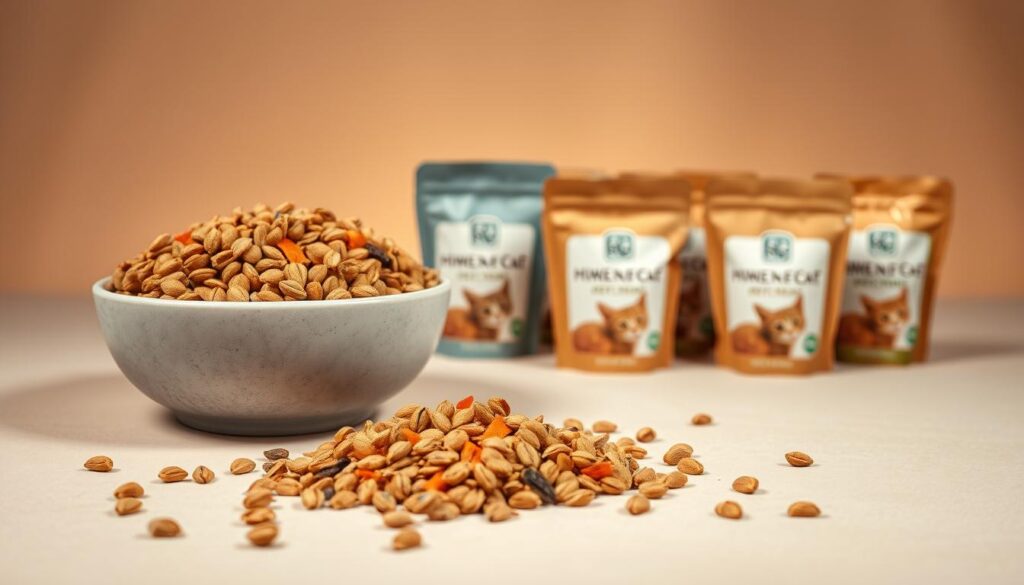
By carefully selecting supplements and natural remedies, you can further support your cat’s health and alleviate allergy symptoms. Always consult with a veterinarian to determine the best approach for your cat’s specific needs.
Cost Considerations and Budget-Friendly Options
Managing your cat’s allergies doesn’t have to break the bank; here are some budget-friendly options. While premium cat food is beneficial, it’s essential to find a balance between cost and quality.
Price Comparison of Premium Organic Brands
Comparing prices among premium organic brands can help you find the best value. Some popular brands offer similar quality at different price points. For instance, you can consider Blue Buffalo or Taste of the Wild for high-quality, allergy-friendly options.
Ways to Save on High-Quality Cat Food
To save on best cat food for allergies, consider the following:
- Buy in bulk to reduce cost per pound.
- Look for discounts and promotions online.
- Consider grain-free cat food options, which can sometimes be more cost-effective.
Conclusion
Choosing the right organic food for your cat with allergies is crucial for their overall health and well-being. By understanding feline allergies and food sensitivities, you can make informed decisions about your cat’s diet. Organic food for cats with allergies offers a hypoallergenic alternative, reducing the risk of adverse reactions.
When selecting a holistic cat food, look for novel and limited ingredient protein sources, beneficial supplements, and organic certification standards. Brands like Blue Buffalo, Wellness, and Taste of the Wild offer high-quality, hypoallergenic cat food options. Transitioning your cat to a new diet requires a gradual introduction to prevent digestive upset.
By taking an active role in managing your cat’s dietary needs, you can improve their overall health and reduce the symptoms associated with food allergies. Consider consulting with your veterinarian to determine the best course of action for your cat’s specific needs. With the right organic food, you can help your cat live a healthier, happier life.