Grain-Free Cat Food: Healthy Options for Sensitive Cats
Table of Contents
If your sensitive cat is experiencing digestive issues or skin problems, you may be considering a change in their diet. One option to explore is grain-free cat food, which has gained popularity among pet owners seeking healthier alternatives for their pets.
Choosing the right cat food can be overwhelming, but understanding the benefits of grain-free options can help. This article will guide you through the importance of selecting the best diet for your cat’s health and provide insights into the healthy options available.
What Makes a Cat Food Truly Grain-Free
As a cat owner, navigating the world of grain-free cat food requires insight into the common grains to avoid and the alternative ingredients that make a cat food truly grain-free. The shift towards grain-free diets is largely driven by the desire to mimic a cat’s natural diet and reduce the risk of grain-related sensitivities.
Common Grains to Avoid in Cat Food
Grains such as wheat, corn, and soy are commonly found in traditional cat foods but can be detrimental to cats with sensitivities. Wheat, for instance, contains gluten, which can cause digestive issues in some cats. Similarly, corn and soy are known to be potential allergens.
Alternative Ingredients in Grain-Free Formulas
Grain-free cat foods often substitute grains with ingredients like potatoes, sweet potatoes, and legumes. These alternatives provide necessary carbohydrates for energy while avoiding common allergens.
Decoding Misleading Packaging Claims
Not all “grain-free” labels are created equal. Some products may still contain trace amounts of grains or use misleading terminology. Always check the ingredient list and look for certifications from reputable organizations to ensure you’re getting a truly grain-free product.
Recognizing Signs Your Cat Needs Grain-Free Food
Identifying the need for grain-free cat food involves understanding your cat’s physical and behavioral changes. Cats with sensitive stomachs or food intolerances may exhibit specific symptoms that can be alleviated by switching to a grain-free diet.
Physical Symptoms of Grain Sensitivity
Cats sensitive to grains may display physical symptoms such as chronic diarrhea, vomiting, or skin irritations. These issues can lead to discomfort and more severe health problems if not addressed. For instance, persistent digestive issues can result in malnutrition or dehydration.
Behavioral Changes Indicating Food Intolerance
Besides physical symptoms, cats with grain intolerance may show behavioral changes. These can include increased irritability, lethargy, or a decrease in appetite. Observing these changes can be crucial in determining if your cat’s current diet is suitable.
When to Consult Your Veterinarian
If you notice any of these signs, it’s essential to consult with your veterinarian. They can help determine if a grain-free diet is appropriate for your cat. Your vet may recommend diagnostic tests to rule out other health issues and provide guidance on transitioning your cat to a new diet.
By recognizing these signs and consulting with a professional, you can make an informed decision about switching your cat to grain-free cat food, potentially improving their overall health and well-being.
The Science Behind Grain-Free Cat Food
The concept of grain-free cat food is rooted in the unique nutritional needs of felines. Cats are obligate carnivores, requiring a diet rich in protein from animal sources. Their digestive system is adapted to process high amounts of protein and fat from meat, rather than carbohydrates found in grains.
Feline Digestive System and Grain Processing
Cats have a short digestive tract and a large liver and kidneys, which are adapted for a diet high in protein and low in carbohydrates. Grains, being high in carbohydrates, can be difficult for cats to digest. Some cats may exhibit sensitivity to certain grains, leading to digestive issues.
Protein Requirements for Cats
Cats require a diet rich in protein from animal sources such as chicken, salmon, or beef. The quality of protein is crucial, with named protein sources generally being more desirable than generic terms like “meat.”
Carbohydrate Considerations in Feline Diets
While cats do not require a significant amount of carbohydrates, some may be included in their diet for energy. However, grain-free cat food often replaces grains with other carbohydrate sources like potatoes or peas. It’s essential to consider the overall nutritional balance rather than just the absence of grains.
| Nutrient | Feline Requirement | Grain-Free Cat Food |
|---|---|---|
| Protein | High animal-based protein | Rich in named protein sources |
| Carbohydrates | Low, not essential | May contain alternative sources like potatoes or peas |
| Fats | High, for energy and skin health | Often includes healthy fats like omega-3 fatty acids |
Benefits of Grain-Free Cat Food for Sensitive Cats
For cats with grain sensitivities, a grain-free diet can significantly improve their health. Grain-free cat food is designed to mimic a cat’s natural diet, focusing on high protein and low carbohydrate content.
Improved Digestion and Reduced Allergic Reactions
Grain-free cat food can lead to improved digestion and a reduction in allergic reactions. Cats with grain sensitivities often experience gastrointestinal issues, which can be alleviated by removing grains from their diet.
Enhanced Coat Health and Reduced Shedding
A grain-free diet can also result in enhanced coat health and reduced shedding. The higher quality protein sources in grain-free formulas contribute to a shinier, healthier coat.
Increased Energy and Better Weight Management
Cats on a grain-free diet often exhibit increased energy and better weight management. This is due to the more natural composition of their food, which aligns with their evolutionary diet.
Reduced Litter Box Odor and Waste Volume
Another benefit of grain-free cat food is the potential for reduced litter box odor and waste volume. With improved digestion, cats produce less waste, and what’s left is often less odorous.
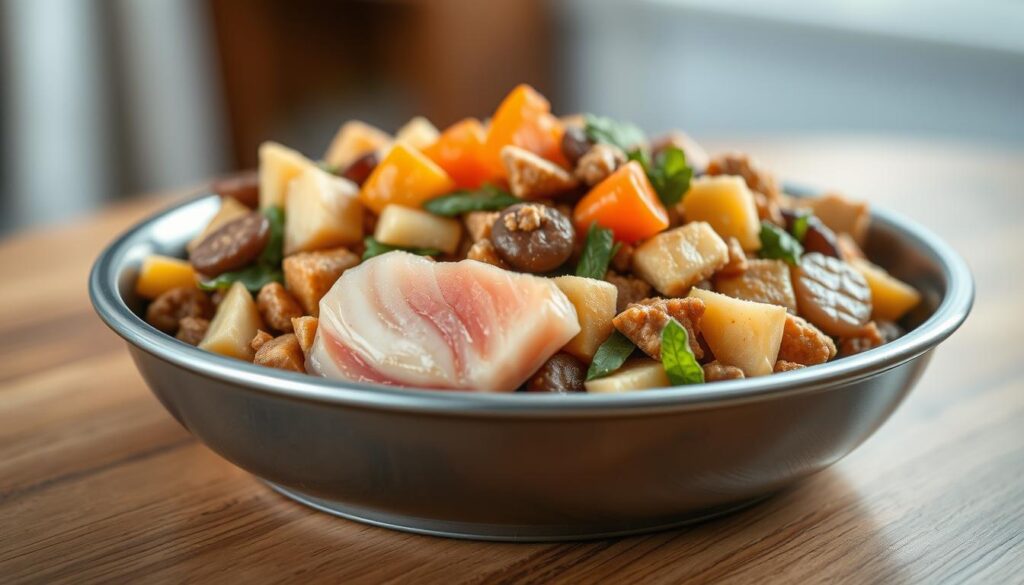
“Grain-free diets can be particularly beneficial for cats with sensitivities, leading to overall better health and well-being.”
By choosing grain-free cat food, you can provide your sensitive cat with a diet that promotes overall health and reduces the risk of adverse reactions to grains.
Potential Drawbacks and Misconceptions
As cat owners increasingly opt for grain-free cat food, several misconceptions and drawbacks have surfaced. While many cats benefit from grain-free diets, it’s essential to consider the potential issues associated with this type of food.
Cost Comparison with Regular Cat Food
One of the primary concerns about grain-free cat food is its cost. Generally, grain-free cat food is more expensive than traditional cat food due to the use of higher protein sources and alternative ingredients. However, there are affordable grain-free cat food options available that can fit various budgets. When comparing costs, consider the long-term health benefits that may reduce veterinary bills.
Addressing Concerns About DCM (Dilated Cardiomyopathy)
There have been concerns about a potential link between grain-free cat food and Dilated Cardiomyopathy (DCM), a heart condition. While some studies suggest a possible connection, it’s crucial to note that the FDA has not established a definitive causal relationship. Many grain-free cat food reviews highlight the importance of choosing formulas that are nutritionally balanced.
Nutritional Balance Considerations
Ensuring that grain-free cat food is nutritionally balanced is vital. Some grain-free formulas may lack certain nutrients found in grains or may have inadequate taurine levels, which can lead to health issues like DCM. Always check the nutritional adequacy statement on the packaging to ensure you’re providing your cat with a balanced diet.
How to Select the Right Grain-Free Cat Food
As a cat owner, navigating the world of grain-free cat food can be overwhelming. With so many options available, it’s crucial to know what to look for to ensure you’re providing the best nutrition for your feline companion.
Analyzing Ingredient Lists Effectively
The first step in selecting the right grain-free cat food is to carefully analyze the ingredient list. Look for high-quality protein sources listed as the first ingredient. Be wary of foods that use vague terms like “meat” or “by-products.” Instead, opt for foods that specify the protein source, such as “chicken” or “salmon.”
Identifying High-Quality Protein Sources
High-quality protein sources are essential for your cat’s health. Named protein sources like chicken, salmon, or beef are preferable to generic terms. Additionally, consider the cooking method, as it can affect the protein’s quality. Look for foods that use gentle cooking methods to preserve nutrients.
Understanding Nutritional Adequacy Statements
A nutritional adequacy statement is a crucial indicator of whether the food meets your cat’s nutritional needs. This statement, often found on the back of the packaging, will indicate if the food is suitable for your cat’s life stage (e.g., kitten, adult, or senior).
Avoiding Harmful Additives and Fillers
When evaluating grain-free cat food, it’s equally important to check for harmful additives and fillers. Avoid foods containing artificial preservatives, colors, or flavors. Also, be cautious of fillers like potatoes or peas, which can be used to replace grains but may cause other health issues if overused.
By carefully analyzing ingredient lists, identifying high-quality protein sources, understanding nutritional adequacy statements, and avoiding harmful additives and fillers, you can select the best grain-free cat food for your cat. Always consult with your veterinarian to ensure the chosen food meets your cat’s specific needs.
Top Grain-Free Cat Food Brands for Sensitive Stomachs
For cats suffering from grain sensitivities, finding the right grain-free cat food brand is crucial for their overall health. With numerous options available, cat owners can feel overwhelmed by the choices. This section will guide you through some of the top grain-free cat food brands suitable for cats with sensitive stomachs, categorized into premium, mid-range, and budget-friendly options.
Premium Options with Clinical Benefits
Premium grain-free cat food brands often incorporate clinically tested ingredients that can significantly benefit cats with sensitive stomachs. Brands like Hill’s Science Diet and Royal Canin offer grain-free formulas that are not only delicious but also backed by scientific research to ensure they meet the nutritional needs of your cat while being gentle on their stomach.
- Hill’s Science Diet Adult Indoor Cat Food: Made with high-quality protein sources and designed for indoor cats, this formula helps manage weight while being easy on the digestive system.
- Royal Canin Grain-Free Cat Food: Tailored to meet the specific needs of cats with sensitivities, this brand offers a range of grain-free options that cater to different life stages and lifestyles.
Mid-Range Brands with Excellent Value
For those looking for a balance between quality and affordability, mid-range grain-free cat food brands are a great option. Brands such as Merrick and Taste of the Wild offer high-quality grain-free formulas at a reasonable price.
| Brand | Product | Key Features |
|---|---|---|
| Merrick | Grain-Free Cat Food | Real meat as the first ingredient, no artificial preservatives |
| Taste of the Wild | High Prairie Cat Food | High-quality protein sources, antioxidants for overall health |
Budget-Friendly Grain-Free Alternatives
For cat owners on a tighter budget, there are still excellent grain-free options available. Brands like Purina Beyond and Blue Buffalo Basics offer grain-free cat food at an affordable price without compromising on quality.
- Purina Beyond Grain-Free Cat Food: Offers a range of flavors made with real meat and without artificial flavors or preservatives.
- Blue Buffalo Basics: Contains high-quality protein sources and is designed to be easy on the stomach, reducing the risk of sensitivities.
Specialized Formulas for Specific Sensitivities
Some cats may have specific sensitivities that require more tailored dietary approaches. Brands like Wellness offer specialized grain-free formulas that cater to cats with particular dietary needs, such as limited ingredient diets or formulas designed for cats with food sensitivities.
By choosing the right grain-free cat food brand, you can help alleviate your cat’s digestive issues and improve their overall health. Always consult with your veterinarian before making any significant changes to your cat’s diet.
Wet vs. Dry Grain-Free Options: Making the Right Choice
When it comes to grain-free cat food, pet owners often find themselves torn between wet and dry options. Both types have their advantages and can be beneficial for cats with sensitive stomachs.
Benefits of Wet Grain-Free Formulas
Wet grain-free cat food is known for its high moisture content, which can be particularly beneficial for cats who do not drink enough water. This can help in maintaining urinary health and overall hydration.
- Higher moisture content
- Can be beneficial for urinary health
- Often more palatable for cats
Advantages of Dry Grain-Free Options
Dry grain-free cat food, on the other hand, is convenient for pet owners and can be left out for cats to graze on throughout the day. It also tends to be more cost-effective and can help in maintaining dental health by reducing tartar.
“Dry food can help reduce tartar and plaque, promoting healthier teeth and gums.”
Creating a Balanced Diet with Both Types
Many pet owners opt for a combination of both wet and dry grain-free cat food to provide a varied diet. This approach can offer the benefits of both types while minimizing their respective drawbacks.
Storage and Serving Considerations
When storing wet grain-free cat food, it’s essential to keep unopened cans in a cool, dry place and to refrigerate opened cans, using them within a few days. Dry grain-free food should be stored in airtight containers to maintain freshness.
| Characteristics | Wet Grain-Free | Dry Grain-Free |
|---|---|---|
| Moisture Content | High | Low |
| Convenience | Requires refrigeration after opening | Can be left out |
| Cost | Generally more expensive | More cost-effective |
How to Transition Your Cat to Grain-Free Food
A gradual transition to grain-free cat food helps minimize potential digestive upset. When switching your cat’s diet, it’s crucial to introduce the new food gradually to prevent adverse reactions.
Creating a 7-Day Transition Schedule
To transition your cat smoothly, follow a 7-day schedule:
- Day 1-2: Mix 25% grain-free food with 75% current food
- Day 3-4: Mix 50% grain-free food with 50% current food
- Day 5-6: Mix 75% grain-free food with 25% current food
- Day 7: Feed 100% grain-free food
This gradual introduction helps your cat’s digestive system adjust to the new diet.
Monitoring for Positive and Negative Reactions
Keep a close eye on your cat’s behavior and physical condition during the transition. Look for signs of digestive upset, such as vomiting or diarrhea, and consult your veterinarian if these symptoms persist.
When to Adjust or Abandon the Transition
If your cat shows severe adverse reactions, it may be necessary to slow down the transition process or consult with your veterinarian for alternative options.
Strategies for Picky Eaters
For cats that are finicky about their food, try warming the grain-free food slightly to enhance its aroma or mixing it with a small amount of low-sodium chicken broth to make it more appealing.
Special Considerations for Cats with Health Conditions
When it comes to cats with specific health conditions, choosing the right grain-free cat food becomes even more crucial. Cats suffering from diabetes, kidney disease, inflammatory bowel disease (IBD), and chronic digestive issues require tailored dietary approaches.
Grain-Free Options for Diabetic Cats
For diabetic cats, grain-free cat food with low carbohydrate content can help manage blood sugar levels. Look for formulas rich in protein and fiber, which can help regulate glucose release.
Considerations for Cats with Kidney Disease
Cats with kidney disease benefit from grain-free diets that are lower in phosphorus and higher in omega-3 fatty acids. These nutrients can help reduce inflammation and support kidney health.
Solutions for Cats with IBD and Chronic Digestive Issues
Grain-free cat food can be particularly beneficial for cats with IBD or chronic digestive issues, as it eliminates potential irritants found in grains. Novel protein sources and easily digestible ingredients are recommended.
Grain-Free Formulas for Senior Cats
Senior cats often experience a decline in health, making grain-free formulas an attractive option. These diets can support joint health, weight management, and overall vitality. Look for grain-free cat foods rich in antioxidants and omega-3 fatty acids.
As emphasized by experts, “The right diet can significantly improve the quality of life for cats with health conditions.” By choosing the appropriate grain-free cat food, you can help manage your cat’s health condition and improve their overall well-being.
DIY Homemade Grain-Free Cat Food Recipes
Creating your own grain-free cat food at home allows you to control the ingredients and ensure quality. This approach can be particularly beneficial for cats with sensitivities or allergies to grains. By preparing grain-free meals, you can tailor the diet to your cat’s specific nutritional needs.
Essential Nutrients and Ingredients
When formulating homemade grain-free cat food, it’s crucial to include high-quality protein sources, healthy fats, and essential vitamins and minerals. Some key ingredients to consider are:
- Protein sources: Chicken, turkey, fish, or beef
- Healthy fats: Salmon oil or coconut oil
- Vegetables: Sweet potatoes, green beans, or carrots
- Fruits: Blueberries or apples
Simple Recipes for Beginners
Here are a couple of simple grain-free recipes to get you started:
- Recipe 1: Grilled chicken with sweet potatoes and green beans
- Recipe 2: Tuna with coconut oil and carrots
These recipes are easy to prepare and can be adjusted based on your cat’s preferences and dietary needs.
Proper Preparation and Storage Methods
To maintain the nutritional value of your homemade cat food, proper preparation and storage are essential. Always handle raw meat safely, and store the prepared food in airtight containers in the refrigerator or freezer.
Supplementation Guidelines for Nutritional Completeness
To ensure your homemade cat food is nutritionally complete, consider adding supplements such as omega-3 fatty acids, vitamin E, or taurine. Consult with your veterinarian to determine the best supplements for your cat.
Conclusion: Ensuring Long-Term Success with Grain-Free Diets
As you consider transitioning your cat to a grain-free diet, it’s essential to prioritize long-term success. By choosing a high-quality grain-free cat food, you can help alleviate your cat’s digestive issues and promote overall well-being. Regular monitoring of your cat’s health and adjusting their diet as needed is crucial to maintaining optimal health.
To achieve long-term success with grain-free cat food, focus on selecting a nutrient-rich formula that meets your cat’s specific needs. Consider factors such as protein content, carbohydrate levels, and the presence of essential vitamins and minerals. By making informed decisions about your cat’s diet, you can help ensure they continue to thrive on a grain-free diet.
By following the guidelines outlined in this article and working closely with your veterinarian, you can help your cat achieve long-term success with grain-free cat food and enjoy a healthier, happier life.