How to Train a Cat: Simple Tips for Behaviour and Obedience
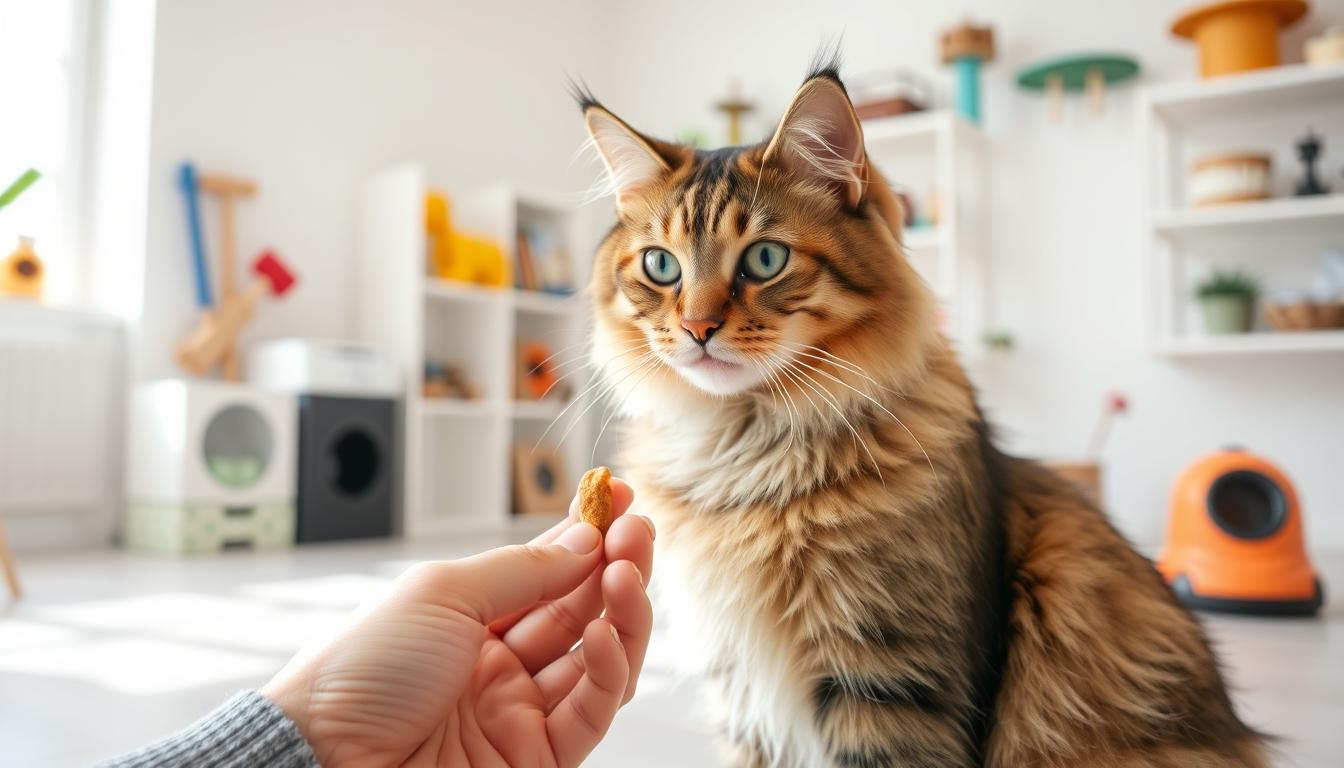
Table of Contents
Training your feline friend can be a daunting task, but with the right approach, it can be a rewarding experience for both you and your cat. Understanding your cat’s psychology and behavior is crucial in developing effective training strategies.
By recognizing your cat’s unique needs, you can tailor your training approach to improve their behavior and obedience. This article will provide you with simple tips and techniques to enhance your cat’s behavior and strengthen your bond with them.
Understanding Cat Psychology and Behavior
To effectively train your cat, it’s crucial to understand the underlying principles of cat psychology and behavior. Cats are often perceived as being aloof and independent, but they are capable of forming strong bonds with their owners. By understanding how cats learn and process information, you can tailor your training approach to suit their unique needs.
How Cats Learn and Process Information
Cats learn through a combination of instinct, observation, and reinforcement. Unlike dogs, cats are not pack animals, and their behavior is driven by different motivations. They are naturally inclined to hunt and have a strong prey drive, which can be leveraged during training sessions. For instance, using feather toys or laser pointers can stimulate their hunting instinct, making them more receptive to training.
The Difference Between Cat and Dog Training
Cat training differs significantly from dog training due to the inherent differences in their nature and behavior. Cats are generally more independent and less inclined to please their owners compared to dogs. Therefore, effective cat training methods focus on positive reinforcement and reward-based systems rather than discipline or obedience commands.
Setting Realistic Expectations for Cat Training
It’s essential to set realistic expectations when training your cat. Cats may not always respond immediately to training, and their progress can be slow. Consistency and patience are key. Understanding that every cat is different and may have unique learning curves is crucial for successful behavior training for cats and cat obedience training.
How to Train a Cat: Basic Principles and Foundations
To effectively train your cat, it’s crucial to grasp the basic principles that underpin the training process. Understanding these fundamentals will help you develop a strong, positive relationship with your feline companion.
The Importance of Timing in Training
Timing plays a critical role in cat training. When using positive reinforcement for cats, it’s essential to reward desired behaviors immediately after they occur. This helps your cat associate the reward with the action.
For example, when teaching tricks to cats, you should reward them the moment they perform the desired trick. Delayed rewards can confuse your cat and hinder the learning process.
Consistency and Patience: Your Most Valuable Tools
Consistency and patience are vital when training your cat. Consistency helps your cat understand what is expected of them, while patience allows them to learn at their own pace.
Using clicker training for cats can enhance consistency by providing a clear, distinct sound that marks desired behaviors. This technique, combined with patience, can lead to significant progress in your cat’s training.
| Training Aspect | Importance | Tips |
|---|---|---|
| Timing | High | Reward immediately after desired behavior |
| Consistency | High | Use consistent commands and rewards |
| Patience | High | Allow your cat to learn at their own pace |
Creating a Distraction-Free Training Environment
A distraction-free environment is crucial for effective cat training. By minimizing distractions, you can help your cat focus on the training.
When teaching tricks to cats, start in a quiet room with minimal distractions. As your cat becomes more proficient, you can gradually introduce more distractions to simulate real-life scenarios.
Essential Training Equipment and Tools
To train your cat efficiently, you’ll need some essential tools. The right equipment can make a significant difference in how effectively you communicate with your cat and guide their behavior.

Treats and Rewards: Choosing the Right Motivators
Choosing the right treats is crucial for successful cat training. You want treats that are not only appealing to your cat but also healthy. Consider using freeze-dried chicken or greenies dental chews as rewards. The key is to use treats judiciously to avoid overfeeding.
Clickers and Target Sticks: How to Use Them
Clickers are valuable tools for marking desired behaviors the moment they happen, making it clearer to your cat what action they are being rewarded for. To use a clicker effectively, you’ll need to associate the sound with a reward. Target sticks can guide your cat’s movements, helping them learn complex behaviors. Start by introducing the target stick and rewarding your cat for touching it.
Training Accessories That Actually Work
Beyond treats and clickers, other training accessories can aid in your cat’s development. Scratching posts, for example, can redirect scratching behavior away from furniture. Interactive toys can keep your cat engaged and stimulated, reducing the likelihood of destructive behavior. When selecting training accessories, consider what will most benefit your cat’s specific needs.
Positive Reinforcement Training Methods
Positive reinforcement is a powerful tool in cat training, focusing on rewarding desired behaviors. This approach encourages your cat to repeat the behavior, strengthening your bond and improving obedience.
The Science Behind Positive Reinforcement
Positive reinforcement is based on the principle that behaviors followed by a reward are more likely to be repeated. In cat training, this means associating desired actions with treats, praise, or play. The key is to deliver the reward immediately after the desired behavior, so your cat can make a clear connection between the action and the outcome.
Clicker Training Techniques for Cats
Clicker training is a popular positive reinforcement method that uses a distinct sound—a “click”—to mark the exact moment your cat performs the desired behavior. This precise marking helps your cat understand what action is being rewarded. To start clicker training, you’ll need a clicker device and some treats. Begin by associating the clicker sound with rewards, then gradually introduce the desired behaviors.
Using Treats Effectively Without Creating Dependency
While treats are essential for initial training, it’s crucial to avoid creating dependency. Start by using treats frequently, then gradually phase them out as your cat becomes more proficient in the desired behavior. You can replace treats with praise or play, maintaining the positive reinforcement without overreliance on edible rewards.
Avoiding Punishment-Based Training Approaches
Punishment-based training can lead to fear, anxiety, and even aggression in cats. Instead, focus on rewarding desired behaviors and ignoring or redirecting undesired ones. This approach fosters a positive, trusting relationship between you and your cat, making training more effective and enjoyable for both.
By applying positive reinforcement training methods, you can achieve remarkable results in your cat’s behavior and obedience. Consistency, patience, and the right techniques are key to successful training.
Basic Commands and Behaviors to Teach Your Cat
Teaching your cat basic commands and behaviors is crucial for their safety and your sanity. By establishing a clear line of communication, you can prevent unwanted behaviors and strengthen your bond with your feline friend.
Teaching Your Cat to Come When Called
One of the most important commands to teach your cat is to come when called. This can be a lifesaver if your cat ever escapes or is in a dangerous situation. To start, choose a quiet area with minimal distractions and call your cat’s name followed by a command like “come.” Reward them with treats and praise when they respond. As they become more reliable, you can gradually increase the distance and distractions.
Tip: Use a consistent command and reward system to avoid confusing your cat.
Litter Box Training and Maintenance
Litter box training is essential for maintaining a clean and hygienic home. Most cats instinctively know to use a litter box, but it’s crucial to maintain cleanliness and provide enough boxes for multiple cats. Scoop the litter box daily, and change the litter completely every week or two. If you have multiple cats, provide one litter box per cat plus one extra.
“A clean litter box is not just a matter of hygiene; it’s also crucial for your cat’s mental health.”
Stopping Destructive Scratching Behaviors
Cats scratch for a variety of reasons, including marking territory and maintaining nail health. To redirect this behavior, provide your cat with scratching posts or pads. Place these near areas where your cat tends to scratch, and encourage their use with catnip or treats.
Training Your Cat to Accept Handling and Grooming
Grooming is an essential part of cat care, but some cats may resist handling. Start by gently petting your cat in areas they enjoy, gradually increasing the touch to more sensitive areas. Reward calm behavior with treats. For cats that are particularly resistant, start with small sessions and gradually increase the duration.
By teaching your cat these basic commands and behaviors, you can create a more harmonious and safe living environment for both you and your feline companion.
Advanced Training: Teaching Your Cat Tricks
Elevate your cat’s training by introducing new, challenging tricks that stimulate their mind and body. Advanced training not only strengthens your bond with your cat but also provides them with mental and physical stimulation.
How to Teach Your Cat to Sit and Stay
Teaching your cat to sit and stay are fundamental tricks that can be achieved through positive reinforcement. Start by holding a treat above your cat’s head and slowly moving it backwards towards their tail. As they follow the treat with their nose, their bottom will lower into a sitting position. Once they’re in the sit, say “sit” and give them the treat. For “stay,” take a few steps back and reward them for remaining in position.
High-Five and Paw Training Techniques
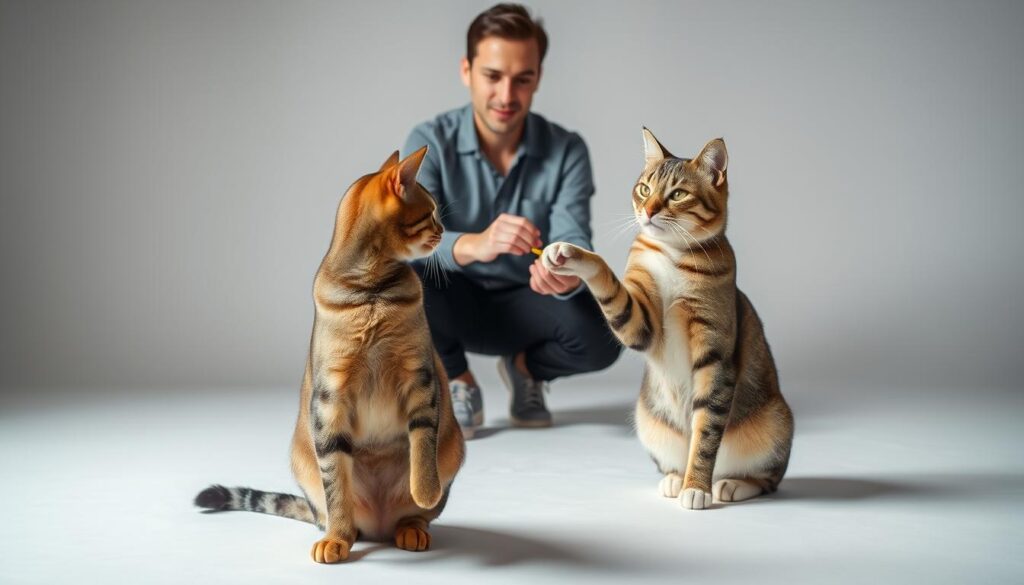
High-five and paw tricks are fun ways to interact with your cat. Begin by holding a treat in your hand and placing it in front of your cat’s nose. As they sniff the treat, lift your hand up and down, and they’ll follow with their paw. As soon as their paw touches your hand, say “high-five” or “paw” and give them the treat. Repeat this process until they master the trick.
Teaching Your Cat to Walk on a Leash
Walking your cat on a leash can be a great way to provide exercise and explore the outdoors together. Start by getting your cat accustomed to wearing a harness indoors. Once they’re comfortable, attach a leash and guide them around the house, rewarding them with treats for good behavior. Gradually move to outdoor walks, keeping the initial sessions short and enjoyable.
Agility Training for Active Cats
For cats with high energy levels, agility training can be an excellent outlet. Set up a simple obstacle course using tunnels, cones, and jumps. Guide your cat through the course using treats and praise. As they become more confident, you can increase the complexity of the course and encourage them to navigate it on their own.
Advanced training is a journey that requires patience, consistency, and positive reinforcement. By teaching your cat new tricks, you’re not only challenging them but also enhancing your relationship and their overall well-being.
Age-Specific Training Approaches
Cats, like humans, go through different developmental stages, and understanding these stages is crucial for effective training. As your cat matures, their learning capabilities, physical abilities, and behavioral tendencies change, requiring you to adjust your training methods accordingly.
Training Kittens: Taking Advantage of the Learning Window
Kittens are highly receptive to new experiences and learning between the ages of 4 to 14 months. This period is often referred to as the “socialization window.” During this time, kittens can be introduced to various environments, people, and other animals, laying the foundation for a well-adjusted adult cat. Positive reinforcement is particularly effective during this stage, as kittens are naturally curious and eager to please.
- Handle kittens gently and frequently to help them become comfortable with human touch.
- Introduce new environments and objects gradually to prevent overwhelming them.
- Use positive reinforcement training methods, such as treats and praise, to encourage good behavior.
Adult Cat Training: Overcoming Established Habits
Adult cats can be more challenging to train due to established habits and a potentially lower inclination to please. However, with patience, consistency, and the right motivators, adult cats can still learn new behaviors. It’s essential to identify the underlying causes of undesirable behaviors and address them accordingly.
Some key strategies for training adult cats include:
- Identifying and using the most effective rewards, such as specific treats or toys.
- Gradually introducing new behaviors or commands to avoid frustration.
- Being consistent in your training approach to avoid confusing your cat.
Senior Cat Training: Adjusting Expectations and Methods
Senior cats require a different approach to training due to declining physical abilities and potentially reduced cognitive function. While they may not be as agile or responsive as younger cats, senior cats can still benefit from gentle, patient training. It’s crucial to adjust your expectations and focus on maintaining their existing behaviors rather than introducing new ones.
When training a senior cat, consider the following:
- Be patient and move at their pace to avoid stressing them.
- Focus on reinforcing existing good behaviors rather than trying to teach new ones.
- Use familiar commands and rewards to provide a sense of comfort and stability.
Addressing Common Behavioral Problems
Understanding and addressing common behavioral problems is crucial for a harmonious relationship with your cat. Cats can exhibit a range of behavioral issues, from aggression to excessive meowing, which can be challenging for owners to manage.
Stopping Aggressive Behaviors
Aggressive behaviors in cats can be due to various factors, including fear, pain, or territorialism. To address aggression, it’s essential to identify the underlying cause and then apply appropriate behavior training for cats techniques. This may involve desensitization and counterconditioning to help your cat respond more calmly to triggers.
Managing Excessive Meowing
Excessive meowing can be a sign of need, boredom, or medical issues. To manage this behavior, ensure your cat’s basic needs are met, and provide adequate stimulation through play and interaction. Positive reinforcement training can also be used to encourage quieter behavior.
Preventing Counter Jumping and Furniture Climbing
Counter jumping and furniture climbing can be prevented by providing alternative surfaces for your cat to climb on, such as cat trees, and by using deterrents like double-sided tape on surfaces you want to protect. Consistent cat obedience training can also help in managing these behaviors.
Dealing with Inappropriate Elimination
Inappropriate elimination, such as urinating outside the litter box, can be due to medical issues, litter box cleanliness, or stress. To address this, ensure the litter box is clean and accessible, and consult a veterinarian to rule out medical issues. Effective cat training methods can help redirect your cat to the appropriate elimination area.
By understanding the causes of these common behavioral problems and applying effective training and management strategies, you can improve your cat’s behavior and strengthen your bond with them.
- Identify the underlying cause of the behavioral issue.
- Apply appropriate training techniques.
- Ensure your cat’s basic needs are met.
- Use positive reinforcement to encourage desired behaviors.
Conclusion: Building a Stronger Bond Through Training
Training your cat is a rewarding journey that not only improves their behavior but also deepens your connection with them. By applying the principles of positive reinforcement for cats, you can develop a more positive and rewarding relationship. Patience and consistency are key to successful cat training.
As you continue on this journey, you’ll find that the bond between you and your cat grows stronger. This leads to a more harmonious and enjoyable companionship. Effective cat training involves understanding your cat’s psychology and behavior, using the right equipment, and applying techniques that work best for your pet. By mastering how to train a cat using positive reinforcement, you’ll be able to address common behavioral issues and encourage good behavior.
With time and practice, you’ll enjoy a more fulfilling relationship with your cat, built on mutual respect and understanding. This not only enhances your cat’s quality of life but also enriches yours.