How to Pick Up a Cat Safely: Do’s and Don’ts Every Owner Should Know
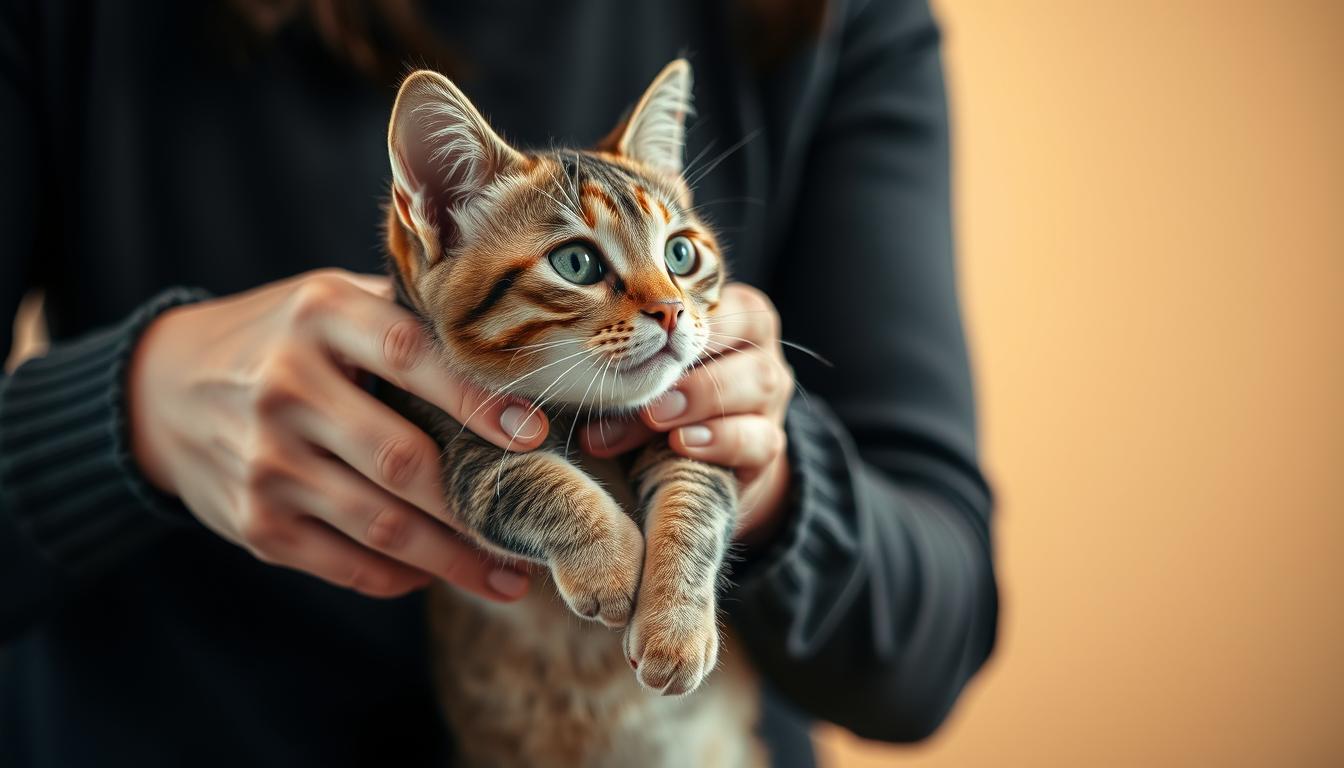
Table of Contents
As a cat owner, you want to ensure that your feline friend is comfortable and secure in your hands. Safely handling your cat is crucial to prevent injuries to both you and your pet. Improper handling can lead to scratches, bites, and even long-term damage to your cat’s joints.
When you handle your cat with care, you build trust and strengthen your bond. It’s essential to understand the proper cat handling techniques to avoid causing your cat undue stress or harm. In this article, we will guide you through the do’s and don’ts of picking up your cat safely.
Understanding Cat Body Language Before Handling
Cats communicate primarily through body language, and recognizing these signs is key to handling them safely. When you’re aware of your cat’s comfort level and boundaries, you can ensure a positive experience for both you and your pet.
Signs Your Cat Is Comfortable Being Picked Up
A cat that’s comfortable being handled will often display relaxed body language. Look for signs such as a loose, open posture, and slow blinking, which are indicators of trust and contentment. If your cat is rubbing against you or nuzzling their head against your hand, it’s a good sign they’re open to being picked up.
Warning Signs That Indicate Your Cat Doesn’t Want to Be Handled
On the other hand, a cat that’s stressed or uncomfortable will exhibit different behaviors. Watch out for flattened ears, tail swishing, or hissing, as these are clear indicators that your cat is not ready to be handled. If you notice any of these signs, it’s best to give your cat some space.
How to Build Trust Before Attempting to Pick Up Your Cat
Building trust with your cat involves gentle, gradual interactions. Start by letting your cat become comfortable with your presence, then gradually introduce touch, beginning with light petting or stroking. By doing so, you’ll be able to pick up your cat safely, following safe cat handling methods that prioritize both your safety and your cat’s comfort.
Why Proper Handling Techniques Matter
The way you lift and carry your cat matters greatly for both your safety and your cat’s comfort. Improper handling can lead to injuries for both you and your pet, as well as create a negative experience for your cat. This can result in stress and anxiety for your cat when being handled.
Physical Safety Concerns for Both You and Your Cat
When lifting a cat incorrectly, you risk scratching or being bitten, as cats may struggle to free themselves. Similarly, your cat can suffer from injuries such as sprains or fractures if not supported properly. Using the proper way to lift a cat ensures that both you and your pet remain safe.
The Psychological Impact of Improper Handling on Cats
Improper handling can have a lasting psychological impact on cats, making them fearful or aggressive towards being handled. Cats that are handled roughly or improperly may develop anxiety or stress-related behaviors. This underlines the importance of lifting a cat correctly to avoid such negative outcomes.
Building a Stronger Bond Through Respectful Handling
By handling your cat with care and respect, you can build a stronger, more trusting bond. Carrying a cat properly and gently can make your cat feel secure and loved, enhancing your relationship. This respectful handling fosters a positive association with being picked up.
Essential Preparation Before You Pick Up a Cat
To ensure a safe and stress-free experience for both you and your cat, preparation is essential. Proper preparation involves several key steps that can significantly impact the success of handling your cat.
Creating a Calm Environment
A calm environment is crucial for reducing your cat’s stress levels. Ensure the room is quiet, with minimal distractions. You can achieve this by turning off loud appliances and finding a quiet spot away from other pets or children.
- Dim or turn off harsh lighting to create a soothing atmosphere.
- Play calming music or white noise to help relax your cat.
Approaching Your Cat the Right Way
Approaching your cat correctly is vital to avoid startling them. Move slowly and deliberately, allowing your cat to see you coming. Let your cat sniff your hand before attempting to touch or pick them up.
Key tips for approaching your cat:
- Move slowly to avoid sudden movements.
- Let your cat initiate contact.
- Be patient and give your cat time to become comfortable with your presence.
What to Wear When Handling Cats (Avoiding Scratches)
Wearing the right clothing can protect you from scratches. Opt for long sleeves and pants to cover your skin. Avoid loose jewelry that could catch on your cat’s claws or teeth.

By dressing appropriately and being mindful of your surroundings, you can minimize the risk of injury to both yourself and your cat.
How to Pick Up a Cat: The Step-by-Step Guide
Learning how to pick up a cat correctly is essential for any cat owner to ensure the well-being and safety of their pet. Proper handling not only prevents physical harm but also helps in building trust between you and your cat.
The Standard Two-Handed Technique
The most recommended method for picking up a cat is the two-handed technique. This involves placing one hand under the cat’s front legs and the other under their hindquarters, ensuring their body is fully supported.
To execute this technique effectively:
- Gently slide one hand under the cat’s chest, making sure to support their front legs.
- Place your other hand under the cat’s hindquarters, providing support to their back and rear legs.
- Lift the cat carefully, keeping their body close to your chest for security and comfort.
Supporting Your Cat’s Body Properly
It’s crucial to support your cat’s body fully when lifting them. This means ensuring that their weight is evenly distributed between your hands, with no part of their body dangling or unsupported.
Key points to remember:
- Always keep your cat’s body close to yours to provide a sense of security.
- Avoid lifting your cat by their front legs or scruff alone, as this can cause discomfort and injury.
- Be mindful of your cat’s tail and ensure it is not pinched or caught during the lifting process.
Adjusting Your Grip for Different Sized Cats
The technique for picking up a cat may vary slightly depending on the cat’s size and weight.
Handling Kittens Safely
When handling kittens, it’s essential to be gentle and cautious. Kittens are fragile, and their bones are still developing.
Gentle handling tips for kittens:
- Support their body fully, as they may wriggle or try to escape.
- Avoid holding them too tightly, as this can cause distress.
Supporting Larger or Heavier Cats
For larger or heavier cats, additional care is required to ensure their comfort and safety, as well as yours.
Tips for handling larger cats:
- Use your body weight to help support their weight, if necessary.
- Ensure you have a secure grip before lifting to avoid dropping them.
- Consider having someone assist you if the cat is too heavy to handle alone.
Common Mistakes When Picking Up Cats
When it comes to picking up cats, there are several common errors that owners should be aware of to prevent causing their pets undue stress or injury. Understanding these mistakes is crucial for adopting safe cat handling methods that ensure a comfortable experience for both you and your cat.
Grabbing a Cat From Above
One of the most common mistakes is grabbing a cat from above. This approach can be startling and frightening for cats, as it mimics the action of a predator. Instead, it’s recommended to let your cat come to you and initiate contact. By doing so, you’re respecting their personal space and allowing them to feel more in control.
Lifting by the Scruff or Limbs
Lifting a cat by the scruff or limbs is another mistake that can cause discomfort or even injury. Cats should be supported properly under their body to distribute their weight evenly. The proper way to lift a cat involves gently sliding one hand under their chest and the other under their hindquarters, ensuring they feel secure.
Holding a Cat Too Tightly or Too Loosely
Holding a cat too tightly can be constricting and stressful, while holding them too loosely can make them feel insecure and potentially lead to accidents. The key is to find a balance that makes your cat feel safe and supported. As
“Cats are creatures of habit and comfort; they appreciate a gentle yet firm hold.”
Ignoring Signs of Discomfort
Ignoring signs of discomfort or stress in your cat, such as squirming, meowing, or trying to hide, can lead to a negative experience. It’s essential to be attentive to your cat’s body language and behavior. If your cat shows signs of distress, it’s best to put them down gently and give them space. Practicing picking up cats safely involves being aware of and respecting their boundaries.
By avoiding these common mistakes, you can significantly improve your cat handling skills and build a stronger, more trusting relationship with your pet. Remember, the goal is to make the experience as pleasant as possible for both you and your cat.
Special Situations: How to Pick Up a Cat in Different Scenarios
Handling cats can be challenging, especially in special situations that require extra care and attention. Whether your cat is frightened, injured, or simply doesn’t want to be held, it’s essential to know the right techniques to ensure both you and your pet stay safe.
Picking Up a Frightened or Anxious Cat
When dealing with a frightened or anxious cat, patience is key. Approach your cat calmly and gently, speaking in a soothing voice to help calm them down. Avoid sudden movements, as these can exacerbate the situation. If your cat is hiding, try to coax them out with treats or toys before attempting to pick them up.
“A calm environment can significantly reduce your cat’s stress levels, making it easier to handle them.” Ensure the room is quiet and free from distractions. If your cat still appears anxious, consider using a towel or blanket to gently wrap them, providing a sense of security.
Handling an Injured Cat Safely
Injured cats require extra care when being picked up. Support their body fully, taking care not to put pressure on the injured area. If possible, use a towel or blanket as a makeshift stretcher to minimize movement and discomfort. It’s also crucial to keep your cat calm to prevent further injury.

Picking Up a Cat That Doesn’t Want to Be Held
Some cats are simply not fond of being held, and that’s okay. If your cat doesn’t want to be picked up, respect their boundaries. Forcing a cat to be held can lead to stress and potentially harm your relationship with your pet. Instead, try to build trust by letting your cat come to you and initiating contact on their terms.
“Forcing a cat into your arms can be counterproductive. Let them dictate the terms of the interaction.”
Safely Removing a Cat From High Places
If your cat is stuck in a high place, such as a tree or tall furniture, it’s crucial to remove them safely. Use a sturdy ladder or step stool to reach your cat, and ensure you have a secure grip on them before descending. If the situation is too risky, consider seeking help from a professional or a more able-bodied person.
By following these guidelines, you can ensure that you’re equipped to handle your cat in various special situations, keeping both you and your pet safe and happy.
How to Hold and Carry Your Cat After Picking Them Up
After you’ve carefully picked up your cat, the next steps involve holding and carrying them in a way that ensures their comfort and safety. This not only prevents injury to both you and your cat but also strengthens the bond between you by showing respect for their personal space.
Secure Holding Positions for Different Activities
The way you hold your cat can vary depending on what you’re doing. For general holding, cradling your cat in your arms with their head supported is a good starting point. For more specific activities, like administering medication, you might need to adjust your grip to securely hold them while minimizing stress.
- For general holding, use a cradling position.
- For administering medication, secure your cat firmly but gently.
Carrying Your Cat Around the House
When carrying your cat around the house, it’s essential to move slowly and deliberately to avoid startling them. Keep your cat close to your body to provide a sense of security. If your cat is particularly anxious, consider carrying them in a carrier or with a towel for extra support.
Tips for carrying:
- Move slowly and deliberately.
- Keep your cat close to your body.
Safely Transferring Your Cat to Another Person
Transferring your cat to another person should be done with care. Approach the other person slowly, and let them know you’re about to transfer the cat. Support your cat’s body as you hand them over, ensuring the other person has a secure grip before releasing.
When and How to Put Your Cat Down Properly
Knowing when and how to put your cat down is crucial. Look for signs that your cat is ready to be put down, such as squirming or trying to escape. Gently lower them to the ground, supporting their body until they’re stable.
- Watch for signs your cat wants to be put down.
- Gently lower them to the ground.
- Support their body until they’re stable.
By following these cat holding tips and being mindful of your cat’s comfort, you can ensure a positive experience for both you and your pet. Remember, every cat is different, so it’s crucial to tailor your approach to your cat’s unique needs and preferences.
Training Your Cat to Enjoy Being Picked Up
Cats can learn to enjoy being picked up with the right techniques and patience. The process involves understanding your cat’s behavior, being gentle, and gradually increasing their comfort with being handled.
Positive Reinforcement Techniques
Positive reinforcement is a powerful tool in cat training. By associating being picked up with rewards such as treats and praise, you can encourage your cat to be more receptive to handling. Start by simply letting your cat become comfortable with your presence, then gradually introduce the act of being picked up.
Gradual Desensitization for Reluctant Cats
For cats that are particularly resistant to being picked up, gradual desensitization can be an effective method. Begin by lightly touching your cat, then progress to lifting them slightly, and eventually work up to fully picking them up. Each step should be accompanied by positive reinforcement.
Creating Positive Associations with Being Held
Creating positive associations involves making the experience of being picked up enjoyable for your cat. This can be achieved by holding your cat securely and comfortably, and engaging them in activities they enjoy while being held, such as being petted or given treats.
Consistency and Patience: The Keys to Success
Consistency and patience are crucial when training your cat. Regular, gentle practice will help your cat become more comfortable with being handled over time. It’s essential to respect your cat’s boundaries and not to rush the process.
| Training Technique | Description | Benefit |
|---|---|---|
| Positive Reinforcement | Associating being picked up with rewards | Encourages receptiveness to handling |
| Gradual Desensitization | Gradually increasing comfort with being touched and lifted | Effective for reluctant cats |
| Creating Positive Associations | Making being held a positive experience | Enhances cat’s comfort and trust |
Conclusion: Respecting Your Cat’s Boundaries While Ensuring Safe Handling
As a cat owner, understanding how to pick up your cat safely is crucial for both your well-being and that of your pet. By following the guidelines outlined in this article, you can ensure a safe and comfortable experience for your cat. Practicing safe cat handling methods not only prevents injuries but also strengthens the bond between you and your cat.
Picking up cats safely requires attention to your cat’s body language, preparation, and the right technique. By being mindful of your cat’s comfort level and boundaries, you can create a positive association with being handled. This involves approaching your cat calmly, supporting their body properly, and being aware of signs of discomfort.
By adopting these safe handling practices, you can enjoy a deeper connection with your cat while ensuring their safety and well-being. Remember, every cat is different, so it’s essential to tailor your approach to your cat’s unique needs and personality.