Macaw Breeds: Colors, Lifespan & Care Tip
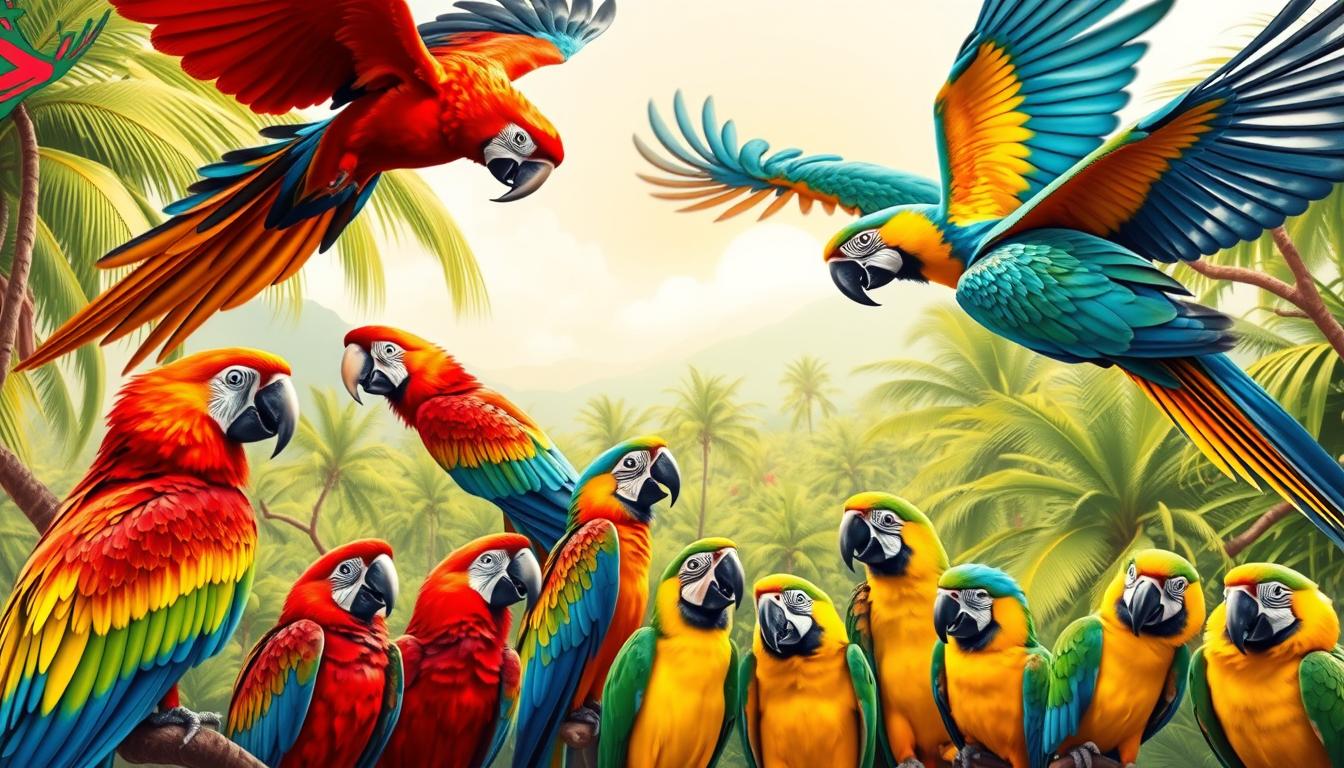
Table of Contents
As you consider bringing a vibrant Macaw into your family, understanding the different breeds and their unique characteristics is essential.
With their stunning colors and long lifespan, these birds require specific care to thrive. Knowing the essentials of their care will help you provide a nurturing environment.
Whether you’re drawn to the Blue and Gold or the Scarlet, each breed has its own needs and personality traits. By learning more about these magnificent birds, you’ll be better equipped to give them the life they deserve.
The Magnificent World of Macaws
The world of macaws is as vibrant as their feathers, filled with intriguing characteristics and behaviors that set them apart from other bird species. As you delve into the realm of these magnificent birds, you’ll discover what makes them unique, their natural habitats, and their potential as companion birds.
What Makes Macaws Unique
Macaws are renowned for their stunning colors and intelligent nature. Their vibrant plumage is not just aesthetically pleasing; it also plays a crucial role in their communication and social behaviors. With their ability to mimic human speech and other sounds, macaws demonstrate a high level of intelligence, making them engaging companions.
Natural Habitat and Behavior
In their natural habitat, macaws inhabit the rainforests of Central and South America, living in flocks and engaging in complex social interactions. Their behaviors include foraging, flying, and vocalizing, which are essential aspects of their well-being.
Macaws as Companion Birds
As companion birds, macaws require attention, social interaction, and mental stimulation. They thrive on routine and can form strong bonds with their owners. Understanding their needs and personalities is crucial for providing a nurturing environment.
| Macaw Breed | Lifespan | Size |
|---|---|---|
| Blue and Gold Macaw | 30-60 years | 33-35 inches |
| Scarlet Macaw | 40-50 years | 32-35 inches |
| Hyacinth Macaw | 50-60 years | 35-40 inches |
By understanding the unique characteristics and needs of macaws, you can better appreciate the commitment required to care for these magnificent birds.
Popular Macaw Breeds and Their Distinctive Features
Among the many Macaw breeds, some stand out for their striking colors, size, and personality traits. Whether you’re drawn to the grandeur of large Macaws or the charm of their mini counterparts, understanding the distinctive features of each breed is crucial for making an informed decision.
Large Macaw Species
Large Macaw species are known for their vibrant plumage and impressive size. These birds are not only visually stunning but also possess strong personalities.
Scarlet Macaw
The Scarlet Macaw is renowned for its bright red, blue, and yellow feathers. Native to the rainforests of Central and South America, this breed is known for its intelligence and ability to mimic human speech.
Blue and Gold Macaw
The Blue and Gold Macaw is another popular large Macaw breed, admired for its striking blue and yellow plumage. These birds are known for their affectionate nature and require a lot of social interaction.
Green-Winged Macaw
Green-Winged Macaws are characterized by their large size and predominantly red plumage with green wing feathers. They are known for their playful and curious nature.
Hyacinth Macaw
The Hyacinth Macaw is the largest of all Macaw breeds, recognized by its cobalt blue feathers and bright yellow beak. Known for their gentle disposition, they require a lot of space and social interaction.
Mini Macaw Species
Mini Macaw species, while smaller, are just as vibrant and full of personality. They are ideal for those who want a Macaw but have limited space.
Hahn’s Macaw
Hahn’s Macaws are one of the smallest Macaw breeds, known for their green plumage and vibrant colors on their wings and tail. They are playful and require regular social interaction.
Severe Macaw
The Severe Macaw is a hybrid breed, known for its intelligence and ability to mimic human speech. They are generally smaller than the large Macaw species but still require a lot of attention and exercise.
Yellow-Collared Macaw
Yellow-Collared Macaws are recognized by their predominantly green plumage and the yellow band around their neck. They are known for their playful and affectionate nature.
Red-Shouldered Macaw
The Red-Shouldered Macaw is another mini Macaw breed, known for its green plumage and red shoulders. They are smaller and generally more manageable than the larger Macaw breeds.
| Macaw Breed | Size | Notable Features |
|---|---|---|
| Scarlet Macaw | Large | Bright red, blue, and yellow feathers |
| Blue and Gold Macaw | Large | Blue and yellow plumage, affectionate nature |
| Hyacinth Macaw | Large | Cobalt blue feathers, gentle disposition |
| Hahn’s Macaw | Mini | Green plumage, playful and social |
| Severe Macaw | Mini | Intelligent, mimics human speech |
Comparing Macaw Breeds: Which One Is Right for You
Macaw breeds vary significantly in terms of temperament, size, and noise level, making some more suitable for certain owners than others. As you consider bringing a macaw into your family, understanding these differences is crucial to making an informed decision.
Temperament Differences Between Breeds
The temperament of a macaw can greatly impact its interaction with you and your family. Some breeds, like the Blue and Gold Macaw, are known for their friendly and outgoing personalities, while others, such as the Scarlet Macaw, can be more feisty and demanding. Researching the temperament of different breeds will help you find a bird that fits your lifestyle and experience level.
Space Requirements by Species
Different macaw breeds have varying space requirements. Larger breeds, such as the Hyacinth Macaw, need spacious cages and plenty of room to fly around, while smaller breeds like the Noble Macaw can thrive in relatively smaller spaces. It’s essential to consider the space you have available at home before choosing a breed.
Noise Levels and Vocalization
Macaws are known for their loud vocalizations, but some breeds are quieter than others. For instance, the Blue-throated Macaw is generally considered to be less loud compared to the Scarlet Macaw. If you live in an apartment or have noise restrictions, you’ll want to consider a breed known for being less vocal.
Best Breeds for First-Time Bird Owners
For those new to bird ownership, certain macaw breeds are more suitable than others. Breeds like the Blue and Gold Macaw and the Severe Macaw are often recommended for first-time owners due to their relatively manageable temperaments and size. However, it’s crucial for new owners to understand the significant commitment required to care for these intelligent and social birds.
The Spectacular Colors of Macaw Parrots
With their dazzling array of colors, macaw parrots are a true marvel of nature. The vibrant hues and intricate patterns on their feathers make them one of the most visually stunning bird species. As a macaw owner, understanding the factors that influence their coloration can help you appreciate these birds even more.
Understanding Macaw Coloration
Macaw parrots owe their bright colors to the structure of their feathers. The microscopic arrangement of melanin and carotenoid pigments creates the wide range of colors seen in these birds. Carotenoids, in particular, are responsible for the yellow, orange, and red hues, while melanin produces black and brown shades.
Most Colorful Macaw Species
Some macaw species are more colorful than others. The Blue and Gold Macaw and the Scarlet Macaw are renowned for their vibrant colors. The Blue and Gold Macaw boasts bright blue feathers on its back and wings, with golden yellow feathers on its belly. The Scarlet Macaw, on the other hand, displays a stunning scarlet red plumage with blue and yellow accents.
Rare Color Mutations
Occasionally, macaws can exhibit rare color mutations due to genetic variations. These mutations can result in unique color patterns, such as lutino or albino macaws. While these variations are striking, they are relatively rare in the wild.
How Diet Affects Feather Coloration
A macaw’s diet plays a crucial role in maintaining the vibrancy of its feathers. A diet rich in carotenoids, found in foods like carrots and sweet potatoes, can enhance the red, orange, and yellow colors. Ensuring your macaw receives a balanced diet is essential for maintaining its plumage.
| Macaw Species | Primary Colors | Dietary Influence on Color |
|---|---|---|
| Blue and Gold Macaw | Blue, Yellow | Carotenoids enhance yellow |
| Scarlet Macaw | Red, Blue, Yellow | Carotenoids intensify red |
| Hyacinth Macaw | Cobalt Blue | Proper nutrition maintains blue vibrancy |
Macaw Lifespan: What to Expect as an Owner
When considering bringing a macaw into your family, it’s vital to understand their lifespan and the long-term commitment involved. Macaws are known for their vibrant colors and playful personalities, but they also require a significant investment of time and care.
Average Lifespan by Species
Different macaw breeds have varying lifespans. For instance, the Blue and Gold Macaw can live between 30 to 60 years, while the Hyacinth Macaw can live up to 50 years or more in captivity. Understanding the specific needs and lifespan of your macaw breed is crucial for providing the best care.
| Macaw Species | Average Lifespan |
|---|---|
| Blue and Gold Macaw | 30-60 years |
| Hyacinth Macaw | 50+ years |
| Scarlet Macaw | 40-50 years |
Factors Affecting Longevity
Several factors can influence a macaw’s lifespan, including diet, environment, and health care. A balanced diet rich in nutrients, a clean and spacious living environment, and regular veterinary check-ups are essential for maintaining your macaw’s health.
Signs of Aging in Macaws
As macaws age, they may exhibit signs such as decreased activity, changes in feather condition, and altered vocalization patterns. Recognizing these signs early can help you adjust their care accordingly.
Planning for a Long-Term Commitment
Owning a macaw is a long-term commitment that requires careful planning. Consider factors such as your lifestyle, living situation, and ability to provide continuous care over the bird’s lifespan. With the right preparation, you can enjoy a rewarding relationship with your macaw.
How to Set Up the Perfect Macaw Habitat
Setting up the perfect habitat for your macaw is crucial for its health and happiness. A well-designed environment not only keeps your macaw stimulated but also ensures its safety and well-being.
Selecting the Right Cage Size
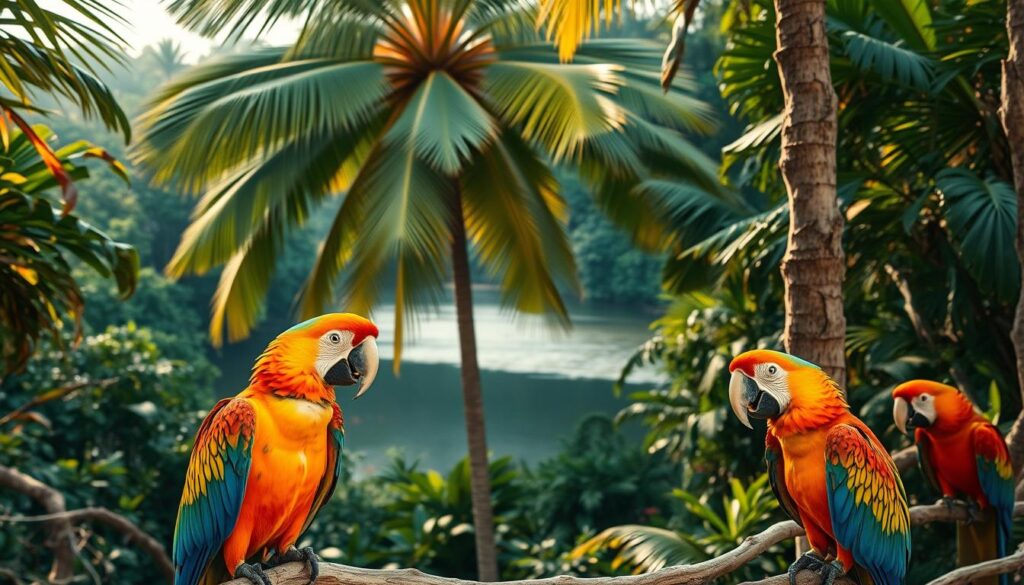
When it comes to housing your macaw, the size of the cage is paramount. Popular macaw breeds require spacious cages that allow them to stretch their wings and move around comfortably. A minimum cage size of 2x3x4 feet is recommended for larger macaw species.
Essential Cage Accessories
Equipping the cage with the right accessories is vital. This includes perches of varying diameters to keep your macaw’s feet healthy, toys that challenge and engage, and feeding dishes that are easy to clean. For best macaw breeds, it’s also important to rotate toys regularly to prevent boredom.
Creating a Safe Environment
Safety is a top priority when setting up your macaw’s habitat. Ensure that the cage is placed in a draft-free area, away from toxic substances and electrical hazards. Regularly inspect the cage for any signs of wear and tear that could harm your macaw.
Outdoor Aviaries vs. Indoor Housing
Deciding between an outdoor aviary and indoor housing depends on your living situation and the needs of your macaw breeds. Outdoor aviaries offer more space and natural sunlight, but require more maintenance and protection from predators. Indoor housing provides a safer, more controlled environment.
By carefully considering these factors, you can create a habitat that meets the needs of your macaw, ensuring a happy and healthy life.
Complete Nutrition Guide for Macaw Breeds
Macaws require a diverse and nutrient-rich diet to thrive, and as a responsible owner, it’s your duty to provide it. A well-balanced diet is crucial for maintaining their vibrant colors, energetic personality, and overall health.
Establishing a Balanced Diet
A balanced diet for macaws should include a variety of foods such as high-quality commercial pellets, fresh fruits, vegetables, and nuts. Pellets should make up about 60-70% of their diet, as they are formulated to provide all the necessary nutrients.
Species-Specific Dietary Needs
Different macaw species have unique dietary requirements. For example, larger macaws like the Blue and Gold Macaw may require more nuts and seeds, while smaller species like the Hahn’s Macaw may need more fruits and vegetables.
Foods to Avoid
Some foods are toxic to macaws, including avocado, chocolate, and foods high in salt and sugar. It’s also important to avoid giving them spoiled or moldy food, as it can cause serious health issues.
Setting Up a Feeding Schedule
Establishing a regular feeding schedule is vital for maintaining your macaw’s health. It’s recommended to feed them twice a day, with fresh foods offered in the morning and pellets in the evening.
| Food Type | Recommended Daily Amount | Frequency |
|---|---|---|
| Pellets | 60-70% of diet | Daily |
| Fruits and Vegetables | 20-30% of diet | Daily |
| Nuts and Seeds | 5-10% of diet | 2-3 times a week |
By following these guidelines, you can ensure your macaw receives the nutrition it needs to live a long, healthy, and happy life.
Training and Socializing Your Macaw: A Step-by-Step Approach
Developing a well-adjusted and well-behaved macaw requires a step-by-step approach to training and socialization. This process not only strengthens the bond between you and your bird but also helps to prevent behavioral problems. By following a structured training plan, you can help your macaw become a confident and calm companion.
Step1: Building Trust and Bonding
The foundation of successful training and socialization is built on trust and bonding. To establish this bond, start by spending quality time with your macaw, engaging in activities such as gentle petting, soft talking, and offering treats. It’s essential to move at your macaw’s pace, allowing them to become comfortable with your presence and interactions. Consistency and patience are key during this initial phase.
Step2: Basic Command Training
Once a strong bond is established, you can begin teaching basic commands. Start with simple commands like “step up” and “step down,” using positive reinforcement techniques such as treats and praise. Positive reinforcement is a powerful tool in macaw training, as it encourages desired behaviors while discouraging undesired ones. Be sure to reward your macaw immediately after they perform the desired action.
Step3: Speech and Trick Training
With basic commands in place, you can progress to more advanced training, such as speech and trick training. Macaws are renowned for their ability to mimic human speech, and with consistent practice, they can learn to mimic words and phrases. Trick training not only provides mental stimulation but also strengthens your bond with your macaw. Start with simple tricks and gradually increase complexity as your macaw becomes more confident.
By following these steps and maintaining a commitment to training and socialization, you can help your macaw become a well-adjusted and well-behaved companion, enriching your life and the lives of those around you.
Essential Health Care for Macaw Breeds
Providing essential health care for your macaw is vital to prevent illnesses and ensure a long lifespan. As a responsible macaw owner, you’re likely aware of the importance of maintaining your bird’s health through regular check-ups and a balanced lifestyle.
Finding an Avian Veterinarian
The first step in ensuring your macaw’s health is finding a qualified avian veterinarian. Not all veterinarians specialize in birds, so it’s crucial to find one with experience in caring for macaws. You can ask for referrals from other macaw owners, check online reviews, or consult with local bird clubs to find a trusted professional.
Preventative Care Routine
A preventative care routine is key to maintaining your macaw’s health. This includes regular check-ups with your avian veterinarian, keeping the cage clean, providing a balanced diet, and ensuring your macaw gets enough exercise. Regular health checks can help identify potential issues before they become serious.
Preventative Care Checklist:
- Regular veterinary check-ups
- Cage cleaning and disinfection
- Balanced diet with varied nutrients
- Regular exercise outside the cage
Recognizing Common Health Issues
Macaws are prone to certain health issues, including respiratory infections, feather plucking, and beak problems. Being able to recognize the signs of illness is crucial for early intervention. Keep an eye out for changes in behavior, appetite, or droppings, as these can be indicators of health problems.
| Health Issue | Symptoms | Action |
|---|---|---|
| Respiratory Infection | Wheezing, labored breathing, lethargy | Seek veterinary care immediately |
| Feather Plucking | Excessive feather loss, skin irritation | Consult a veterinarian for behavioral advice |
| Beak Problems | Overgrown beak, beak cracks | Visit an avian veterinarian for beak trimming |
Emergency Situations: When to Seek Help
Knowing when to seek emergency care for your macaw is critical. If you notice severe symptoms such as difficulty breathing, seizures, or severe injury, seek immediate veterinary attention. Having an emergency plan in place, including the contact information for your avian veterinarian and the nearest emergency animal hospital, can save valuable time.

By following these guidelines and staying vigilant about your macaw’s health, you can help ensure a long, happy, and healthy life for your feathered companion.
Conclusion: Embracing the Macaw Experience
As you’ve discovered throughout this article, Macaw breeds offer a unique blend of beauty, intelligence, and companionship. Whether you’re drawn to the vibrant colors of the top Macaw breeds or the affectionate nature of the best Macaw breeds, owning a Macaw is a significant commitment.
By understanding the specific needs of your Macaw, from nutrition and habitat to training and health care, you can create a nurturing environment that allows your bird to thrive. As you embark on this journey, remember that the bond you form with your Macaw will be a rewarding experience, bringing joy and companionship into your life.
With the right care and attention, your Macaw can live a long and healthy life, becoming a beloved member of your family. Explore the world of Macaw breeds and discover the perfect companion for you.