Top 10 Parrot Breeds and Their Unique Traits
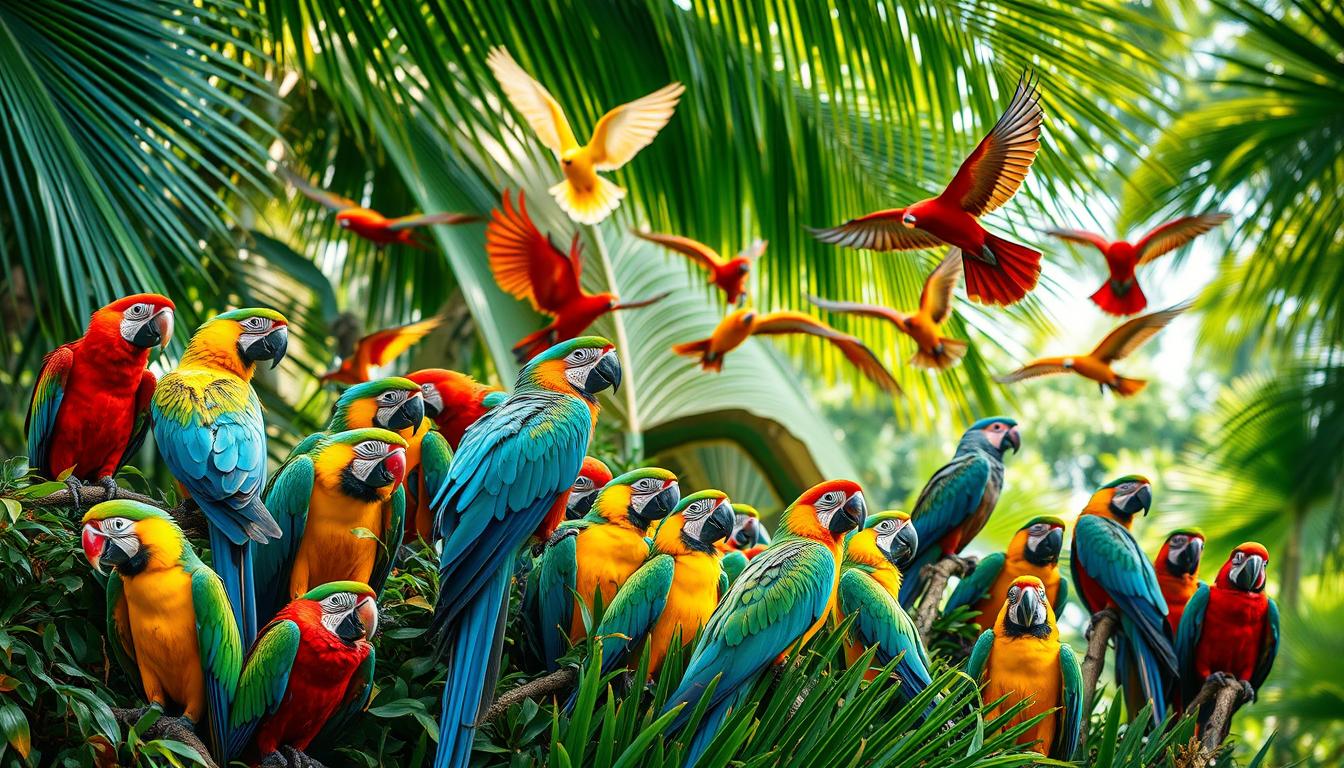
Table of Contents
Are you fascinated by the diverse world of parrot breeds? With so many types of parrots to choose from, it can be overwhelming to decide which one is right for you. From colorful plumage to intelligent personalities, each popular parrot species has its unique characteristics.
As you explore the world of parrots, you’ll discover that different breeds have distinct traits, making them suitable for various lifestyles and living situations. In this article, we’ll introduce you to the top 10 parrot breeds, highlighting their unique features and characteristics.
Finding the Perfect Parrot for Your Home
Bringing a new parrot into your home can be a rewarding experience, but it requires careful consideration of several factors. As you explore the world of best pet parrots, you’ll discover a variety of exotic parrot breeds, each with unique characteristics.
Key Factors to Consider Before Choosing a Parrot
Before deciding on a parrot, it’s essential to assess your lifestyle and living situation. This includes evaluating your living space, noise tolerance, time commitment, and budget.
Assessing Your Living Space and Noise Tolerance
Your living space plays a significant role in determining the right parrot breed for you. Larger parrots require more space, while smaller ones can thrive in compact environments. Additionally, consider your noise tolerance, as some parrots are naturally louder than others.
Evaluating Your Time Commitment and Budget
Parrots demand attention and interaction. Evaluate how much time you can dedicate to your parrot daily. Also, consider the costs associated with parrot care, including food, toys, and veterinary visits.
How to Prepare Your Home for a New Parrot
Once you’ve selected a parrot breed, prepare your home by parrot-proofing your space, setting up a suitable aviary or cage, and acquiring necessary supplies like food, toys, and perches.
| Preparation Task | Description |
|---|---|
| Parrot-Proofing | Remove hazardous items and secure toxic substances. |
| Aviary or Cage Setup | Provide a spacious, well-ventilated enclosure. |
| Necessary Supplies | Stock up on food, toys, and perches suitable for your parrot breed. |
By carefully considering these factors and preparing your home, you can create a welcoming environment for your new parrot, ensuring a happy and healthy relationship.
1. African Grey Parrot: The Intelligent Conversationalist
If you’re considering a parrot that can engage in complex conversations, the African Grey is an excellent choice. Known for their exceptional cognitive abilities and ability to mimic human speech, African Greys have become a favorite among parrot enthusiasts.
Physical Characteristics and Lifespan
African Grey Parrots are characterized by their distinctive grey feathers and striking black beaks. They can live up to 40-60 years in captivity, making them a long-term companion. Proper care and attention to their health needs are crucial for maximizing their lifespan.
Intelligence and Speech Capabilities
These parrots are renowned for their intelligence, often compared to that of a young child. They possess an impressive vocabulary and can learn to mimic various sounds and voices. Their ability to understand context and use language appropriately is quite remarkable.
Step-by-Step Care Guide for African Greys
Caring for an African Grey requires a comprehensive approach. This includes providing a nutritious diet, ensuring regular exercise, and creating a stimulating environment.
Creating an Enriching Environment
To keep your African Grey engaged, you should provide a variety of toys and activities. Rotating toys regularly can help prevent boredom and keep your parrot stimulated.
Mental Stimulation Techniques
Mental stimulation is crucial for African Greys. Techniques include teaching tricks, using puzzle toys, and engaging in interactive play. Regular social interaction is also vital for their emotional well-being.
| Care Aspect | Description | Frequency |
|---|---|---|
| Diet | Balanced nutrition including fruits, vegetables, and pellets | Daily |
| Exercise | Physical activity outside the cage, flying, and playing | Daily |
| Social Interaction | Engaging with the parrot, talking, and playing | Multiple times a day |
2. Budgerigar (Budgie): The Perfect Starter Parrot
The Budgerigar, commonly known as the Budgie, is a popular small parrot breed that makes an ideal first parrot. With their vibrant colors and engaging personalities, Budgies are a delight to own.
Appearance and Size Variations
Budgies are known for their small size, typically measuring between 7 to 8 inches in length. They come in a variety of colors, including blue, green, yellow, and white, with various patterns such as pied, albino, and lutino.
Personality and Social Needs
Budgies are social birds that thrive on interaction. They are known to be friendly, curious, and enjoy human company. To keep your Budgie happy, it’s essential to provide plenty of toys, rotate them regularly, and spend time with your bird daily.
How to Train and Bond with Your Budgie
Training a Budgie can be a fun and rewarding experience. Start with simple commands and use positive reinforcement techniques like offering treats.
First-Week Care Instructions
During the first week, ensure your Budgie has a balanced diet, a clean cage, and fresh water. Provide a variety of toys to keep them stimulated.
Simple Training Exercises for Beginners
- Step-up command: Encourage your Budgie to step onto your finger.
- Treat training: Use treats to teach tricks and commands.
- Target training: Teach your Budgie to touch a target stick with its beak.
By following these steps and being patient, you can develop a strong bond with your Budgie, making it a loving and entertaining companion among the various types of parrots.
3. Cockatoo: The Affectionate Companion
Among the diverse world of exotic parrot breeds, the Cockatoo stands out for its affectionate nature. Cockatoos are known for their strong emotional bonds with their owners, making them a beloved companion for many.
Different Cockatoo Species and Their Traits
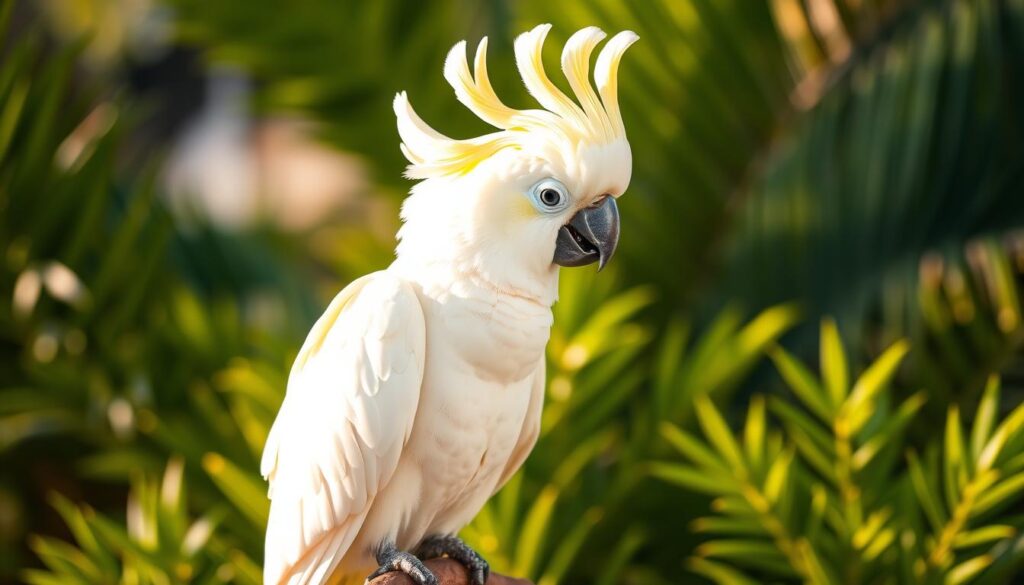
Cockatoos come in several species, each with unique traits. The Sulphur-crested Cockatoo, for example, is known for its striking crest and vibrant yellow color. The Umbrella Cockatoo is another popular species, recognized for its gentle and affectionate personality.
Emotional Needs and Behavioral Characteristics
Cockatoos have high emotional needs; they require attention, interaction, and a sense of belonging. Their behavioral characteristics include being highly social, demanding, and sometimes prone to screaming if their needs are not met. As one expert notes,
“Cockatoos thrive on interaction and can become destructive or loud if they are bored or neglected.”
Managing a Cockatoo’s Demanding Nature
Managing a Cockatoo’s demanding nature requires a balanced approach. This includes providing adequate physical and mental stimulation, setting boundaries, and training.
Preventing and Addressing Screaming Behaviors
To prevent screaming, ensure your Cockatoo is getting enough exercise and mental stimulation. Ignore the screaming behavior and reward calmness.
Providing Adequate Physical and Mental Stimulation
Engage your Cockatoo with toys, puzzles, and interactive games. Regular exercise outside the cage is also crucial for their well-being.
By understanding and meeting the emotional and physical needs of your Cockatoo, you can enjoy a rewarding companionship with your feathered friend.
4. Macaw: The Colorful Giants Among Parrot Breeds
The Macaw is a vibrant and charismatic parrot breed known for its stunning colors and impressive size. These birds are sure to captivate anyone with their bright plumage and lively personalities.
Popular Macaw Varieties and Their Distinctive Features
Macaws come in various species, each with its unique characteristics. The Blue and Gold Macaw, Scarlet Macaw, and Hyacinth Macaw are among the most popular varieties. These birds are distinguished by their vibrant colors, ranging from bright blues and yellows to deep reds and greens.
Personality Traits and Noise Levels
Macaws are known for their intelligence, social behavior, and loud vocalizations. They require attention and interaction, making them ideal for owners who can dedicate time to their pets. However, their loud nature may not be suitable for everyone, especially those living in apartments.
Setting Up the Ideal Macaw Habitat
Creating a suitable environment for your Macaw is crucial for its well-being. This includes providing a spacious cage and a variety of toys and perches.
Cage Size and Placement Requirements
A Macaw’s cage should be large enough to accommodate its size and allow for wing stretching. The cage should be placed in a well-ventilated area, away from drafts and direct sunlight.
Essential Toys and Perches
Macaws need a variety of toys to keep them stimulated, including chew toys, puzzle toys, and swings. Perches of different sizes and textures can help maintain their foot health.
5. Eclectus Parrot: The Sexually Dimorphic Beauty
Among the many unique parrot varieties, the Eclectus Parrot stands out due to its sexual dimorphism. This characteristic makes the Eclectus particularly interesting, as males and females exhibit distinctly different plumage.
Striking Gender Differences
The Eclectus Parrot is renowned for its striking gender differences. Males display bright green feathers, while females are characterized by red and blue plumage. This dimorphism is unusual among parrots, making the Eclectus a fascinating subject for bird enthusiasts.
Temperament and Social Behavior
Eclectus Parrots are known for their gentle and affectionate nature. They thrive on interaction and require a lot of attention from their owners. These parrots are highly social and can form strong bonds with their family members, making them excellent companions.
Specialized Diet and Health Maintenance
A balanced diet is crucial for the health of an Eclectus Parrot. They require a variety of fruits, vegetables, and pellets specifically formulated for large parrots.
Creating a Balanced Fruit and Vegetable Menu
To keep your Eclectus healthy, ensure their diet includes a mix of leafy greens, carrots, and fruits like apples and berries. Avoid giving them avocado or chocolate, as these are toxic.
Monitoring for Common Health Issues
Regular check-ups with a veterinarian are essential to monitor for signs of illness, such as feather plucking or respiratory problems. Early detection can significantly improve the health outcomes for your Eclectus Parrot.
6. Conure: The Playful and Energetic Companion
If you’re looking for a parrot that’s both playful and affectionate, the Conure might be the perfect pet for you. Conures are small to medium-sized parrots known for their vibrant colors and lively personalities.
Popular Conure Types and Color Variations
Conures come in a variety of species, each with unique color patterns and characteristics. Some popular types include the Sun Conure, known for its bright yellow and orange plumage, and the Green-cheeked Conure, recognized for its calm demeanor and vibrant green cheeks.
Activity Levels and Entertainment Needs
Conures are highly energetic birds that require regular exercise and mental stimulation. Providing a variety of toys and engaging in playtime activities can help keep your Conure happy and healthy. As stated by parrot expert, “Conures need a lot of attention and exercise to prevent boredom and stress.”
“Conures are intelligent birds that thrive on interaction and activity.”
Daily Care Routine for a Happy Conure
A well-balanced diet, regular exercise, and a clean living environment are essential for maintaining your Conure’s overall health. Ensuring your Conure gets enough sleep and social interaction is also crucial.
Exercise and Play Time Strategies
Engage your Conure in various activities such as flying, playing with toys, and interacting with you or other family members.
Managing Their Vocal Nature
Conures are known to be vocal birds. Training and socialization can help manage their noise levels, ensuring a harmonious living environment.
As one of the best pet parrots, Conures make great companions for active owners who can provide the necessary care and attention. With proper care, Conures can thrive and become a loving member of your family.
7. Amazon Parrot: The Charismatic Entertainer
If you’re considering bringing an Amazon Parrot into your home, it’s essential to understand their unique characteristics. Amazon Parrots are among the most popular parrot breeds due to their intelligence, vibrant colors, and engaging personalities.
Physical Traits and Longevity
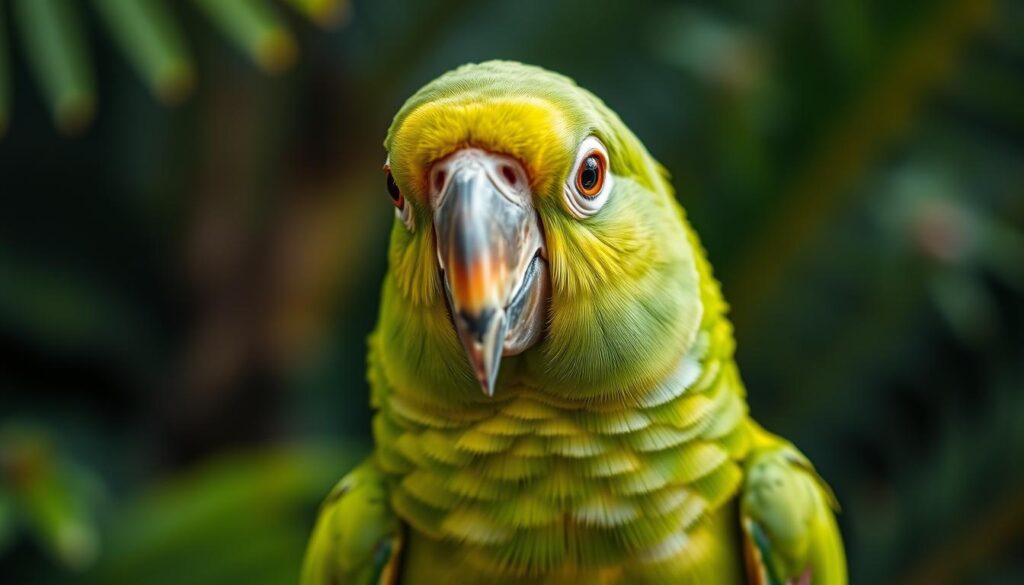
Amazon Parrots are known for their striking green plumage, often accompanied by splashes of blue, yellow, or orange. They can live for 50 years or more in captivity, making them a long-term companion. Their size can vary, with some species reaching up to 17 inches in length.
Vocal Abilities and Personality
These parrots are renowned for their vocal abilities, often mimicking human speech and other sounds they hear in their environment. Amazon Parrots are also known for their affectionate and social nature, requiring regular interaction and attention from their owners.
Establishing Boundaries and Training
To ensure a harmonious relationship with your Amazon Parrot, it’s crucial to establish boundaries and provide consistent training. This includes:
- Setting clear rules and boundaries
- Providing mental and physical stimulation
- Encouraging positive behaviors
Handling Hormonal Behaviors
Amazon Parrots can exhibit hormonal behaviors, such as aggression or excessive screaming, particularly during breeding seasons. Managing these behaviors requires patience and understanding of their natural instincts.
Teaching Appropriate Interaction
Teaching your Amazon Parrot to interact appropriately involves positive reinforcement techniques, such as rewarding calm behavior and gentle interactions. This helps in developing a well-adjusted and sociable pet.
By understanding and addressing the needs of an Amazon Parrot, you can enjoy a rewarding companionship with one of the most charismatic types of parrots.
8. Lovebird: The Devoted Partner
Among exotic parrot breeds, Lovebirds stand out for their bright colors and energetic personalities. These small parrots are known for their strong pair bonding, making them a fascinating addition to any home.
Species Variations and Identifying Features
Lovebirds come in several species, each with unique identifying features. The most common species include the Peach-faced Lovebird, Fischer’s Lovebird, and Masked Lovebird. These birds are characterized by their vibrant plumage, with colors ranging from bright greens and blues to yellows and oranges.
Bonding Behavior and Social Structure
Lovebirds are renowned for their strong bonding behavior. They form long-lasting pairs, both in the wild and in captivity. This social structure means they require significant interaction and attention from their owners. Providing a Lovebird with a companion or spending quality time with it is crucial for its emotional well-being.
Creating the Perfect Lovebird Environment
To keep your Lovebird happy and healthy, you need to create an appropriate environment. This includes a spacious cage with plenty of toys and perches. Lovebirds are active birds that need to fly, climb, and play.
Single vs. Paired Housing Considerations
When deciding whether to house your Lovebird singly or in pairs, consider the amount of time you can dedicate to interacting with your bird. Paired Lovebirds can entertain each other, but they still require attention from you.
Enrichment Activities for Mental Stimulation
Providing enrichment activities is vital for your Lovebird’s mental health. This can include rotating toys regularly, offering foraging opportunities, and engaging in playtime activities like flying or teaching tricks.
| Activity | Frequency | Benefits |
|---|---|---|
| Toy Rotation | Weekly | Keeps the environment stimulating and prevents boredom |
| Foraging | Daily | Encourages natural foraging behavior and mental stimulation |
| Playtime | Daily | Promotes exercise and strengthens the bond between you and your Lovebird |
9. Cockatiel: The Whistling Charmer
The Cockatiel, a popular parrot species, is renowned for its gentle disposition and melodious whistling. As a small parrot breed, it has gained popularity for its affectionate nature and relatively low maintenance care.
Appearance and Common Color Mutations
Cockatiels are characterized by their medium size, typically around 12-13 inches in length, and a variety of color mutations. The most common colors include grey, white, and yellow, with some having distinctive crests on their heads. Their appearance can vary, but their charming personality remains a constant trait.
Temperament and Compatibility with Families
Cockatiels are known for their gentle and affectionate nature, making them an excellent choice for families, including those with children. They are relatively easy to handle and can be quite playful, enjoying interaction with their owners.
Step-by-Step Guide for New Cockatiel Owners
For new Cockatiel owners, setting up a suitable environment is crucial. This includes providing a spacious cage with adequate ventilation and toys to keep them stimulated.
Setting Up a Cockatiel-Friendly Home
Ensure the cage is placed in a quiet area, away from drafts and direct sunlight. Provide a balanced diet that includes a mix of pellets, fruits, and vegetables.
Teaching Basic Commands and Whistles
Start with simple commands like “step up” and “step down.” Cockatiels are known for their ability to mimic whistles, so spending time teaching them tunes can be a fun activity for both you and your pet.
| Care Aspect | Description | Tips |
|---|---|---|
| Diet | Balanced diet of pellets, fruits, and vegetables | Rotate vegetables daily to ensure variety |
| Cage Setup | Spacious cage with toys and perches | Regularly clean the cage to keep your Cockatiel healthy |
| Interaction | Daily interaction and playtime | Teach whistles and simple commands to strengthen your bond |
10. Senegal Parrot: The Quiet and Gentle Companion
Among rare parrot breeds, the Senegal Parrot stands out for its unique characteristics. This parrot is known for being a quiet and gentle companion, making it an excellent choice for many households.
Physical Characteristics and Lifespan
The Senegal Parrot has a distinctive appearance with its grey head, green wings, and a vibrant yellow or orange beak. They can live up to 50 years or more in captivity, making them a long-term companion. Proper care and a healthy diet are crucial for maximizing their lifespan.
Behavioral Traits and Interaction Style
Senegal Parrots are known for their calm and affectionate nature. They enjoy interacting with their owners and can become very attached. Regular social interaction is essential to keep them happy and engaged. These parrots are relatively quiet compared to other parrot breeds, which makes them suitable for apartment living.
Creating a Balanced Care Routine
A balanced care routine for a Senegal Parrot includes a nutritious diet, regular exercise, and mental stimulation. A variety of toys and activities can help prevent boredom and stress.
Socialization Techniques
Effective socialization techniques include spending quality time with your parrot, engaging in play, and providing training sessions. This helps strengthen the bond between you and your parrot.
Preventing One-Person Bonding Issues
To prevent one-person bonding issues, it’s essential to involve multiple family members in the parrot’s care and socialization. Encouraging interaction with various people can help your Senegal Parrot become more sociable and less prone to bonding exclusively with one person.
By following these guidelines, you can create a nurturing environment for your Senegal Parrot, ensuring a happy and healthy relationship.
Conclusion: Finding Your Perfect Feathered Companion
As you’ve explored the top 10 parrot breeds, it’s clear that each type of parrot has its unique characteristics, needs, and charms. Whether you’re drawn to the intelligent African Grey, the vibrant Macaw, or the affectionate Cockatoo, there’s a parrot breed out there that’s perfect for you.
When choosing a parrot, consider your lifestyle, living situation, and the amount of time you can dedicate to your feathered friend. Popular parrot species like Budgies and Cockatiels make great pets for families, while exotic parrot breeds like Eclectus and Amazon parrots may require more experienced owners.
Ultimately, the best pet parrot is one that fits your personality and provides a loving companionship. With so many unique parrot varieties to choose from, you’re sure to find a colorful parrot or a small parrot breed that will bring joy and beauty into your life. Take your time, do your research, and find the perfect parrot to join your family.