What to Feed Young Birds – Essential Nutrition for Baby Birds

Nurturing a baby bird requires careful consideration of its nutritional needs. Providing the right food is crucial for its growth and development. As a responsible caregiver, you want to ensure that your feathered friend receives the best possible start in life.
Proper nutrition plays a vital role in the development of young birds, influencing their overall health, energy levels, and ability to thrive. A well-balanced diet is essential for baby birds to grow strong and healthy.
You need to understand the specific dietary requirements of young birds to provide them with the necessary nutrients. A comprehensive guide to feeding baby birds will help you make informed decisions about their care.
Table of Contents
Understanding the Nutritional Needs of Young Birds
Understanding the nutritional needs of young birds is crucial for their survival and healthy development. The dietary requirements of baby birds can vary significantly based on whether they are wild or domesticated, as well as their age and species.
Differences Between Wild and Domestic Baby Birds
Wild baby birds have different nutritional needs compared to their domestic counterparts. Wild birds often require a diet rich in protein, which they would naturally obtain from insects and worms. In contrast, domestic birds might be fed a diet that includes commercial bird feed, which is formulated to meet their nutritional needs. “The nutritional requirements of baby birds are highly specific and must be met to ensure proper growth and development,” emphasizes the importance of understanding these differences.
Age-Specific Nutritional Requirements
The nutritional needs of baby birds change as they grow. For instance, very young birds require a diet high in protein to support their rapid growth. As they mature, their dietary needs shift, and they may require more carbohydrates and fats. It’s essential to understand these age-specific requirements to provide the best diet for baby birds.
The Importance of Proper Nutrition for Development
Proper nutrition is vital for the healthy development of young birds. A diet lacking in essential nutrients can lead to developmental issues, weakened immune systems, and even death. Ensuring that baby birds receive the right nutrients in the right proportions is critical for their survival and well-being. As noted, “Nutrition plays a critical role in the development and overall health of young birds.”
What to Feed Young Birds: A Comprehensive Guide
Feeding young birds requires a comprehensive approach that considers their natural diet and nutritional requirements. Whether you’re caring for orphaned birds or those being raised in captivity, providing the right food is crucial for their growth and development.
Natural Diet vs. Substitute Foods
Young birds have different nutritional needs than adult birds. In the wild, they are fed by their parents, who provide them with a diet rich in protein and nutrients. When caring for young birds, it’s essential to replicate this natural diet as closely as possible. For some species, substitute foods can be used, but these should be carefully selected to ensure they meet the birds’ nutritional requirements.
Key considerations for substitute foods include:
- High protein content
- Appropriate calcium levels for bone development
- Essential vitamins and minerals
Species-Specific Dietary Considerations
Different bird species have unique dietary requirements. For example, some birds are primarily seed-eaters, while others require a diet rich in insects and worms. Understanding the specific needs of the species you’re caring for is vital to providing the right nutrition.
Some species may require specialized diets, such as:
- Nectar-feeding birds, which need a diet rich in sugars
- Raptors, which require high amounts of protein from meat
- Omnivorous birds, which need a balanced diet that includes fruits, insects, and seeds
Feeding Frequency and Portion Control
Feeding frequency and portion control are critical when caring for young birds. Overfeeding or underfeeding can lead to serious health issues. The frequency of feeding depends on the age and species of the bird, as well as its individual needs.
General guidelines include:
- Feeding young birds frequently, often every few hours
- Monitoring the bird’s weight and adjusting food portions accordingly
- Gradually increasing the interval between feedings as the bird grows
By following these guidelines and understanding the specific needs of the birds in your care, you can help ensure they receive the nutrition they need to thrive.
Commercial Bird Formulas and Their Benefits
For many bird owners and wildlife rehabilitators, commercial bird formulas are the go-to solution for ensuring that young birds receive the nutrients they need. These formulas are designed to provide a balanced diet that supports the healthy growth and development of young birds.
Types of Commercial Bird Formulas
There are various types of commercial bird formulas available, each catering to different species and age groups of birds. Some formulas are designed for specific nutritional needs, such as high-protein diets for rapidly growing chicks. When selecting a formula, it’s essential to choose one that matches the bird’s species and age.
How to Select the Right Formula
Selecting the right commercial bird formula involves considering several factors, including the bird’s species, age, and nutritional requirements. It’s crucial to read the labels carefully and look for formulas that are specifically designed for your bird’s needs.
Proper Preparation Techniques
Proper preparation of commercial bird formulas is critical to ensure that the birds receive the necessary nutrients. This involves following the manufacturer’s instructions for mixing the formula.
Mixing Instructions
Always follow the manufacturer’s mixing instructions to achieve the correct consistency. The ratio of formula to water is crucial, as too thick a mixture can cause digestive issues, while too thin a mixture may not provide enough nutrients.
Temperature Considerations
The temperature of the formula is also important. It should be heated to a temperature that is comfortable for the bird, usually around 105°F to 110°F. Testing the temperature on your wrist can help ensure it’s not too hot.
By choosing the right commercial bird formula and preparing it correctly, you can provide your young birds with the nutrients they need for healthy growth and development.
Natural Food Sources for Baby Birds
Natural food sources play a vital role in the development and health of baby birds. Understanding what to feed young birds is crucial for their survival and growth. As a caregiver, you need to be aware of the different nutritional requirements of various bird species.
Protein Sources: Insects and Worms
Insects and worms are excellent protein sources for baby birds. Many bird species rely heavily on these protein-rich foods for their young. For example, crickets, mealworms, and earthworms are nutritious options.
- Crickets are high in protein and low in fat.
- Mealworms are rich in nutrients and easy to digest.
- Earthworms provide essential vitamins and minerals.
Proper Preparation Methods
To prepare insects and worms for feeding, ensure they are gut-loaded with nutritious foods before offering them to the birds. This enhances their nutritional value.
Age-Appropriate Options
For young birds, it’s essential to start with soft-bodied insects like finely chopped mealworms or crickets. As they grow, you can introduce larger prey items.
Fruits and Vegetables for Omnivorous Species
Omnivorous bird species benefit from a diet that includes fruits and vegetables. These foods provide essential vitamins, minerals, and fiber.
| Fruit/Vegetable | Nutritional Benefit |
|---|---|
| Apples | Rich in fiber and antioxidants |
| Carrots | High in vitamin A for healthy vision |
Proper Preparation Methods
Fruits and vegetables should be finely chopped or pureed to make them easily consumable by baby birds. Ensure they are fresh and free from pesticides.
Seeds and Grains for Granivorous Birds
Granivorous birds primarily eat seeds and grains. These foods are rich in carbohydrates and provide energy.
“Seeds and grains are a staple in the diet of many bird species, offering essential nutrients for growth and development.”
- Millet is a nutritious seed option for young granivorous birds.
- Safflower seeds are a good alternative to sunflower seeds, as they are less likely to be contaminated with mold.
Age-Appropriate Options
For young granivorous birds, start with finely ground seeds or grains. As they mature, you can gradually introduce whole seeds.
By understanding and providing the appropriate natural food sources, you can significantly enhance the health and development of baby birds in your care.
Feeding Techniques and Best Practices
To ensure the healthy growth of young birds, it’s crucial to master the art of hand-feeding and establish a suitable feeding schedule. Hand-feeding is a delicate process that requires patience, precision, and a good understanding of the bird’s nutritional needs.
Hand-Feeding Methods for Different Species
Different bird species have unique requirements when it comes to hand-feeding. For instance, some birds may require a specific type of feeding syringe or tube, while others may need a particular feeding formula. It’s essential to research the specific needs of your bird species to ensure you’re providing the best possible care.
Feeding Schedules and Frequency
Establishing a consistent feeding schedule is vital for the healthy development of young birds. The frequency of feeding depends on the age and species of the bird. Generally, younger birds require more frequent feedings, while older birds can be fed less often.
Monitoring Weight and Development
Regularly monitoring the weight and development of your young birds is crucial to ensure they’re growing at a healthy rate. This involves keeping a record of their weight, overall health, and any changes in their behavior or appearance.
Record-Keeping Tips
To effectively monitor your birds’ development, it’s essential to maintain accurate records. This can include details such as feeding times, amounts consumed, and any notable observations. Using a dedicated logbook or spreadsheet can simplify this process.
When to Adjust Feeding Protocols
As your birds grow, their nutritional needs will change. It’s essential to be aware of these changes and adjust your feeding protocols accordingly. This may involve switching to a different formula or altering the feeding schedule.
By mastering hand-feeding techniques, establishing a suitable feeding schedule, and closely monitoring your birds’ development, you can provide the best possible care for your young birds.
Hydration and Water Requirements
Hydration plays a vital role in the overall health of baby birds, impacting their survival and well-being. Ensuring that young birds receive adequate hydration is crucial for their development and growth.
Signs of Dehydration in Young Birds
Dehydration in young birds can manifest through several symptoms, including dry skin, lethargy, and sunken eyes. You should monitor your birds closely for these signs to address any hydration issues promptly. If you notice any of these symptoms, it’s essential to take immediate action to rehydrate your birds.
Proper Hydration Techniques
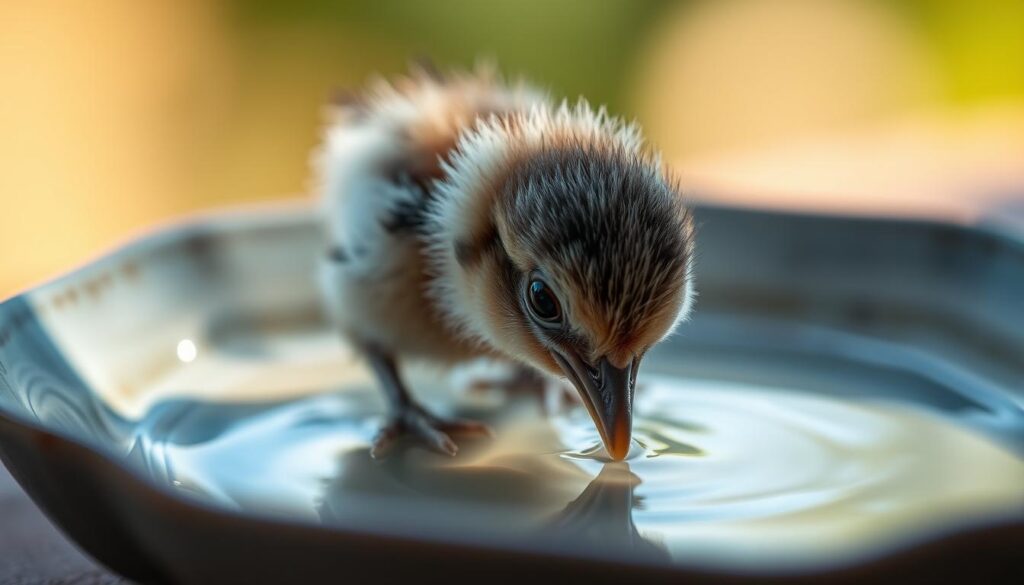
To keep your young birds hydrated, you can offer water in a shallow dish or use a syringe for hand-feeding. It’s crucial to ensure the water is clean and fresh. You should also be cautious not to overhydrate, as this can be just as harmful as dehydration.
Electrolyte Solutions for Weak Birds
For weak or dehydrated birds, an electrolyte solution can be beneficial. These solutions help rebalance the bird’s electrolytes and fluids. You can find commercial electrolyte solutions designed for birds at pet stores or through a veterinarian. It’s essential to follow the instructions carefully to avoid over-supplementation.
By understanding the importance of hydration and how to manage it, you can significantly improve the health and survival chances of young birds in your care.
Specialized Care for Orphaned Wild Birds
When you come across an orphaned wild bird, it’s crucial to understand the specialized care it requires to survive. Orphaned birds have specific needs that must be met to ensure their health and well-being until they can be released back into the wild.
Emergency Feeding for Found Birds
If you’ve found an orphaned bird, emergency feeding may be necessary. However, it’s critical to understand that different species have different dietary needs. For instance, some birds may require a diet rich in insects, while others may need a mix of fruits and seeds. It’s essential to research the specific needs of the bird you’ve found.
When to Contact Wildlife Rehabilitation
While initial care can be provided, it’s vital to contact a wildlife rehabilitation center as soon as possible. These centers have the expertise and facilities to provide the necessary care for orphaned birds. They can also help determine the best course of action for the bird’s survival.
Legal Considerations for Wild Bird Care
Caring for wild birds is subject to various laws and regulations. Understanding these is crucial to avoid legal repercussions and to ensure the bird receives the care it needs.
Species Protection Laws
Many bird species are protected by law, and handling them without proper authorization can result in fines or other penalties. It’s essential to familiarize yourself with the species protection laws in your area.
Permit Requirements
In many regions, caring for certain bird species requires a permit. These permits ensure that individuals caring for wild birds have the necessary knowledge and facilities to provide appropriate care.
- Research local laws and regulations regarding wild bird care.
- Contact local wildlife rehabilitation centers for guidance and support.
- Understand the specific needs of the bird species you’re caring for.
Transitioning Young Birds to Adult Diets
Transitioning young birds to adult diets requires careful planning and observation of their developmental milestones. As young birds grow, their nutritional needs change, and it’s crucial to adjust their diet accordingly.
Recognizing Developmental Milestones
To transition young birds successfully, you need to recognize their developmental milestones. These include feathering, flying, and changes in behavior. Monitoring their weight and overall health is also essential during this period.
Gradual Food Introduction Strategies
Introducing adult foods gradually is key to a successful transition. Start by mixing small amounts of adult food with their current diet, gradually increasing the proportion over time. This helps prevent digestive upset and allows the birds to become accustomed to new foods.
Supporting Self-Feeding Behaviors
Encouraging self-feeding behaviors is crucial during the transition. Provide a variety of foods in different textures and presentation to stimulate their natural foraging behaviors.
Weaning Techniques
Weaning techniques involve gradually reducing hand-feeding and encouraging birds to eat on their own. This can be achieved by offering food in dishes or trays, making it easy for the birds to access.
Environmental Enrichment
Environmental enrichment plays a significant role in supporting the transition. Providing toys, perches, and foraging opportunities can help stimulate the birds’ natural behaviors and reduce stress.
| Developmental Stage | Dietary Recommendations | Feeding Frequency |
|---|---|---|
| 0-2 weeks | Commercial bird formula | Every 2-3 hours |
| 2-4 weeks | Introduction to soft foods | Every 3-4 hours |
| 4+ weeks | Gradual introduction to adult diet | 3-4 times a day |
Common Nutritional Problems and Solutions
Proper nutrition is crucial for young birds, and identifying common nutritional problems is key to their care. Young birds, whether wild or domesticated, can face various nutritional challenges that impact their health and development.
Signs of Malnutrition in Young Birds
Malnutrition in young birds can manifest in several ways, including stunted growth, lethargy, and poor feather development. It’s essential to monitor their weight and overall condition closely. If you notice any signs of malnutrition, such as a lack of appetite or unusual droppings, you should adjust their diet accordingly.
For instance, a diet lacking sufficient protein can lead to developmental issues. Ensuring that the birds receive a balanced diet that includes necessary nutrients is vital.
Addressing Feeding Refusal
Some young birds may refuse to eat, which can be due to various reasons such as stress, improper food temperature, or an unappealing diet. To address feeding refusal, it’s crucial to offer a familiar and comfortable feeding environment. Sometimes, changing the feeding technique or the formula can encourage the bird to eat.
Correcting Nutritional Imbalances
Nutritional imbalances can occur if the diet is not well-rounded. For example, a lack of calcium can lead to weak bones. Vitamin and mineral supplements can be used to correct such imbalances, but it’s essential to use them judiciously to avoid over-supplementation.
Vitamin and Mineral Supplements
When using vitamin and mineral supplements, it’s crucial to follow the manufacturer’s instructions and consult with a veterinarian if necessary. Supplements can help fill nutritional gaps but should not replace a balanced diet.
When to Seek Veterinary Care
If a young bird shows persistent signs of malnutrition or refuses to eat, it’s time to seek veterinary care. A professional can diagnose the issue and provide guidance on the appropriate nutritional adjustments.

Conclusion: Ensuring Optimal Growth Through Proper Nutrition
Proper nutrition is crucial for the optimal growth and development of young birds. By understanding their nutritional needs and following the guidelines outlined in this article, you can help ensure that your young birds receive the best possible start in life.
When it comes to what to feed young birds, it’s essential to consider their age, species, and developmental stage. Hand feeding birds requires patience, care, and attention to detail to prevent malnutrition and other health problems.
By following the recommendations provided in this guide, you can help your young birds thrive and develop into healthy, strong adults. Whether you’re a seasoned bird breeder or a newcomer to the world of bird care, understanding the importance of proper nutrition is key to providing the best possible care for your birds.