Can Dogs Eat Blackberries? Health Benefits & Precautions
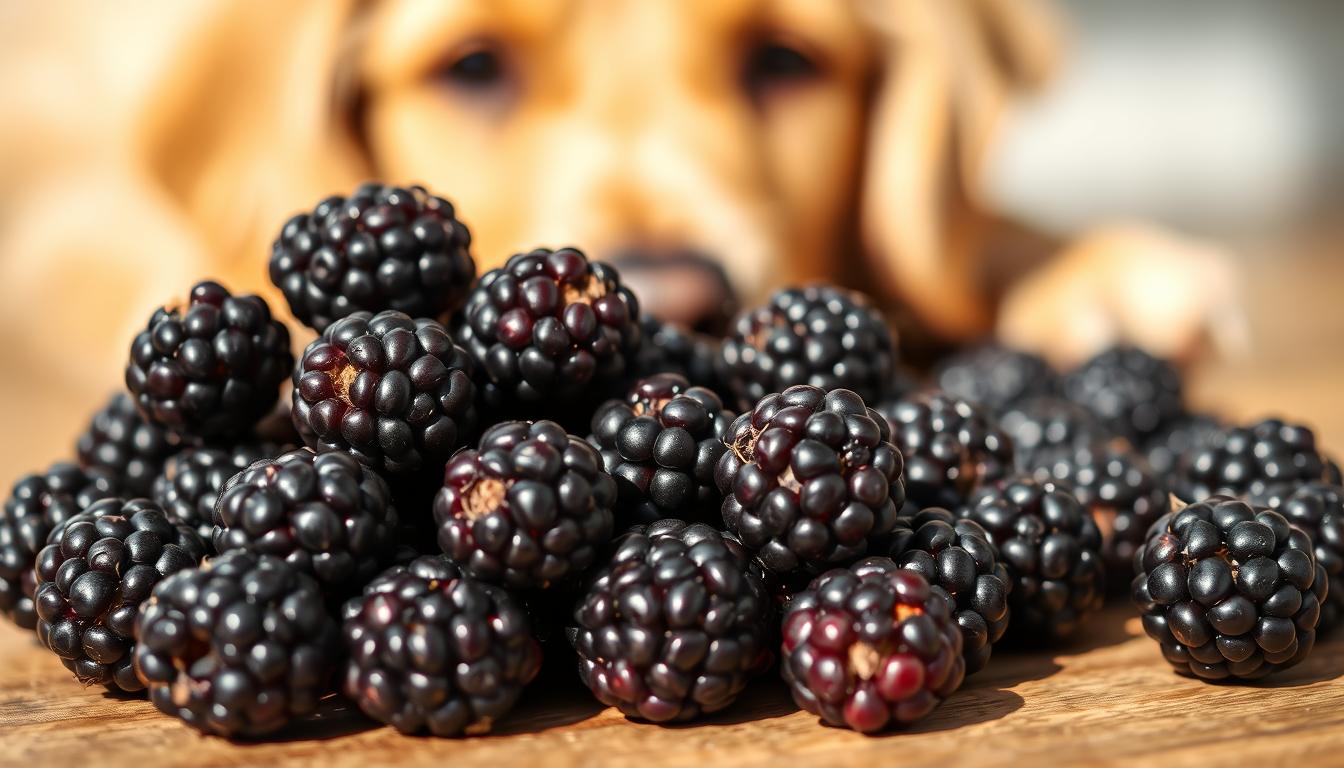
As a dog owner, you’re probably curious about sharing your favorite fruits with your furry friend. Blackberries are a nutritious and delicious snack, but are they safe for dogs to consume?
While blackberries can be a healthy treat, it’s essential to understand the potential benefits and risks associated with feeding them to your dog. In this article, we’ll explore whether blackberries are safe for dogs and provide guidance on how to introduce them into your dog’s diet.
Table of Contents
Can Dogs Eat Blackberries? The Basic Answer
If you’re wondering whether blackberries are safe for your dog, you’re not alone. Many pet owners are curious about sharing their favorite fruits with their canine companions. The good news is that blackberries are generally considered safe for dogs to eat in moderation.
The Safety Profile of Blackberries for Dogs
Blackberries are non-toxic to dogs and can be a nutritious snack when given in appropriate amounts. They are rich in antioxidants, fiber, and vitamins, making them a healthy treat. However, it’s essential to introduce blackberries gradually into your dog’s diet to prevent any digestive upset.
Key considerations:
- Remove stems and leaves to avoid choking hazards
- Wash thoroughly to remove pesticide residues
- Feed in moderation due to sugar content
Why Pet Owners Consider Blackberries
Pet owners often look for healthy alternatives to traditional dog treats. Blackberries offer a sweet and nutritious option that can be used as a reward during training or as an occasional snack. Their small size makes them an ideal treat for dogs of all sizes.
By incorporating blackberries into your dog’s diet responsibly, you can provide a tasty and healthy snack that complements their regular nutrition.
Nutritional Profile of Blackberries
Blackberries are packed with vitamins, minerals, and antioxidants that can benefit canine health. These small, juicy fruits are a powerhouse of nutrition, offering a range of essential nutrients that can support your dog’s overall well-being.
Essential Vitamins and Minerals
Blackberries are rich in vitamins C and K, as well as manganese, a crucial mineral for bone health. Vitamin C supports immune function, while vitamin K plays a vital role in blood clotting. Manganese contributes to enzyme function and can help protect against oxidative stress.
Fiber Content and Digestive Benefits
The high fiber content in blackberries can aid digestion and promote a healthy gut in dogs. A diet rich in fiber can help regulate bowel movements, prevent constipation, and support the growth of beneficial gut bacteria.
Antioxidant Properties and Free Radical Protection
Blackberries are renowned for their high antioxidant capacity, which helps protect cells from damage caused by free radicals. This antioxidant property can contribute to overall health and potentially reduce the risk of chronic diseases in dogs.
By incorporating blackberries into your dog’s diet in moderation, you can provide them with a boost of essential nutrients and antioxidants that support their overall health and well-being.
Health Benefits of Blackberries for Dogs
Blackberries offer numerous health benefits for dogs, making them a nutritious addition to your pet’s diet. Rich in essential vitamins, minerals, and antioxidants, blackberries can contribute to your dog’s overall health and well-being in several ways.
Immune System Support and Disease Prevention
Blackberries are packed with vitamin C, which plays a crucial role in supporting your dog’s immune system. A strong immune system helps protect dogs from various infections and diseases, potentially reducing the risk of illness and promoting overall health.
Anti-inflammatory Properties for Joint Health
The anti-inflammatory properties of blackberries can be particularly beneficial for dogs suffering from joint issues or arthritis. By reducing inflammation, blackberries may help alleviate joint pain and improve mobility in affected dogs.
Cognitive Function Enhancement in Aging Dogs
Blackberries contain antioxidants that may help slow down cognitive decline in aging dogs. The fruit’s nutritional profile supports brain health, potentially improving memory and cognitive function in older canine companions.
Potential Cancer-Fighting Properties
Some studies suggest that the antioxidants and other compounds found in blackberries may have cancer-fighting properties. While more research is needed, incorporating blackberries into your dog’s diet could potentially contribute to a reduced risk of certain cancers.
By adding blackberries to your dog’s diet in moderation, you can provide them with a range of health benefits that support their overall well-being.
Potential Risks and Side Effects
While blackberries are generally considered safe for dogs, there are several potential risks and side effects that pet owners should be aware of. As with any new food, introducing blackberries into your dog’s diet requires careful consideration and monitoring.
Sugar Content and Diabetic Dogs
Blackberries contain natural sugars, which can be a concern for diabetic dogs. Feeding blackberries to dogs with diabetes may affect their blood sugar levels. It’s essential to consult with your veterinarian before giving blackberries to diabetic dogs.
Digestive Upset Possibilities
Some dogs may experience digestive upset after consuming blackberries, especially if they eat too many or are not used to eating fruits. Symptoms can include diarrhea, vomiting, or stomach discomfort.

Choking Hazards for Small Dogs
Blackberries can be a choking hazard for small dogs, especially if they are not cut into smaller pieces. Supervise your dog when giving them blackberries, and consider cutting them into quarters or halves to reduce the risk.
Allergic Reaction Concerns
Although rare, some dogs may be allergic to blackberries. Signs of an allergic reaction can include itching, swelling, or difficulty breathing. If you suspect an allergy, consult your veterinarian immediately.
To mitigate these risks, it’s crucial to introduce blackberries gradually and in moderation. Always monitor your dog’s reaction to new foods and consult with your veterinarian if you have any concerns.
Key considerations:
- Consult with your veterinarian before giving blackberries to diabetic dogs.
- Monitor for signs of digestive upset.
- Cut blackberries into smaller pieces to reduce choking hazards.
- Watch for signs of allergic reactions.
How Many Blackberries Can Dogs Safely Eat?
As a dog owner, you’re probably wondering how many blackberries you can safely feed your furry friend. Blackberries can be a nutritious and delicious treat, but it’s essential to follow guidelines to ensure they don’t harm your dog.
Portion Guidelines by Dog Size and Weight
The number of blackberries your dog can safely eat depends on their size and weight. Generally, smaller dogs should have fewer blackberries than larger dogs. Here’s a rough guide:
- Small dogs (under 20 lbs): 1-2 blackberries
- Medium dogs (21-50 lbs): 2-3 blackberries
- Large dogs (51-80 lbs): 3-5 blackberries
- Extra-large dogs (over 80 lbs): 5 or more blackberries, but always check with your vet
Frequency Recommendations
It’s not just about how many blackberries your dog can eat, but also how often they can have them. Blackberries should be considered a treat and not a replacement for regular meals. Limit blackberry treats to a few times a week.
The 10% Treat Rule in Canine Nutrition
A good rule of thumb is to ensure that treats, including blackberries, don’t exceed 10% of your dog’s daily calorie intake. This helps maintain a balanced diet and prevents overfeeding. Always consult with your veterinarian to determine the best treat plan for your dog.
By following these guidelines, you can safely incorporate blackberries into your dog’s diet, providing them with a tasty and nutritious treat.
Introducing Blackberries to Your Dog’s Diet
The key to safely adding blackberries to your dog’s meals lies in a gradual and monitored approach. This ensures that your dog can enjoy the nutritional benefits of blackberries without experiencing adverse effects.
First-Time Feeding Tips
When feeding your dog blackberries for the first time, start with a small amount to gauge their tolerance. It’s also a good idea to chop or mash the blackberries to prevent choking hazards, especially for small dogs.
Monitoring for Adverse Reactions
After introducing blackberries, monitor your dog closely for signs of digestive upset, such as diarrhea or vomiting. If you notice any adverse reactions, discontinue feeding blackberries and consult your veterinarian.
Gradual Introduction Methods
Gradually increase the amount of blackberries over several days or weeks, depending on your dog’s sensitivity and reaction. This gradual approach helps prevent digestive issues.
Incorporating Blackberries into Regular Meals
You can mix blackberries with your dog’s regular food or use them as an occasional treat. Here’s a simple table to help you incorporate blackberries into your dog’s diet:
| Dog Size | Blackberry Amount | Frequency |
|---|---|---|
| Small | 1-2 blackberries | 1-2 times a week |
| Medium | 2-3 blackberries | 2-3 times a week |
| Large | 3-5 blackberries | 3 times a week |
By following these guidelines, you can safely introduce blackberries to your dog’s diet and provide them with a nutritious and tasty treat.
Wild vs. Store-Bought Blackberries for Dogs
When it comes to feeding your dog blackberries, the source of these berries can be just as important as the decision to feed them at all. The choice between wild and store-bought blackberries involves several considerations that can impact your dog’s health.
Pesticide and Chemical Concerns
Store-bought blackberries are often treated with pesticides and other chemicals to enhance their appearance and prolong shelf life. These chemicals can be harmful to dogs if ingested. “The use of pesticides in agriculture has been linked to various health issues in pets,” according to a study on pesticide exposure in animals. Opting for organic store-bought blackberries can mitigate this risk, as they are grown without the use of synthetic pesticides.
Foraging Risks and Wild Berry Identification
Foraging for wild blackberries can be a fun activity, but it comes with its own set of risks. Incorrect identification of wild berries can lead to accidental ingestion of toxic berries. It’s crucial to be absolutely sure of what you’re picking. Never feed your dog wild berries that you can’t positively identify as safe.
Organic vs. Conventional Options
Choosing organic blackberries, whether wild or store-bought, reduces the risk of chemical exposure. Organic farming practices avoid the use of synthetic fertilizers and pesticides, making the berries a healthier option for your dog.
Seasonal Availability and Freshness Factors
The freshness and seasonal availability of blackberries can also impact their quality and safety. Fresh, in-season blackberries are less likely to contain preservatives or have been mishandled. “Freshness is key when it comes to maintaining the nutritional value of blackberries,” as noted by canine nutrition experts.
In conclusion, both wild and store-bought blackberries have their pros and cons when it comes to feeding them to your dog. By understanding these factors, you can make an informed decision that best suits your dog’s needs and ensures their safety.
Blackberry Preparation Methods for Dogs
When it comes to feeding your dog blackberries, proper preparation is key to maximizing their nutritional benefits. Preparing blackberries correctly ensures they are safe and enjoyable for your dog.
Proper Washing and Cleaning Techniques
Before serving blackberries to your dog, it’s crucial to wash them thoroughly. Rinse the blackberries under running water to remove any dirt, pesticide residues, or other contaminants. Gently pat them dry with a clean towel to remove excess moisture.
Fresh vs. Frozen Blackberries
Both fresh and frozen blackberries can be nutritious for dogs. Fresh blackberries provide a sweet and juicy treat, while frozen blackberries can be a refreshing snack, especially during warmer months. However, frozen blackberries should be thawed before serving to prevent choking hazards or digestive upset.
Mashing vs. Whole Berries for Different Dogs
The decision to serve blackberries whole or mashed depends on your dog’s size, age, and eating habits. For smaller dogs or those prone to choking, mashing blackberries into their food can be a safer option. Larger dogs can typically handle whole blackberries, but it’s still important to monitor their eating to prevent choking.
Avoiding Harmful Additives and Preparations
When preparing blackberries for your dog, avoid adding any harmful ingredients. Refrain from using sweeteners, cream, or other human foods that can be toxic to dogs. Serve blackberries plain to ensure they remain a healthy treat.
| Preparation Method | Benefits | Considerations |
|---|---|---|
| Fresh Blackberries | High in fiber and antioxidants | May spoil quickly |
| Frozen Blackberries | Longer shelf life, refreshing snack | Must be thawed before serving |
| Mashed Blackberries | Safer for small dogs, easier to digest | May be less appealing to some dogs |
Blackberries vs. Other Berries for Canine Health
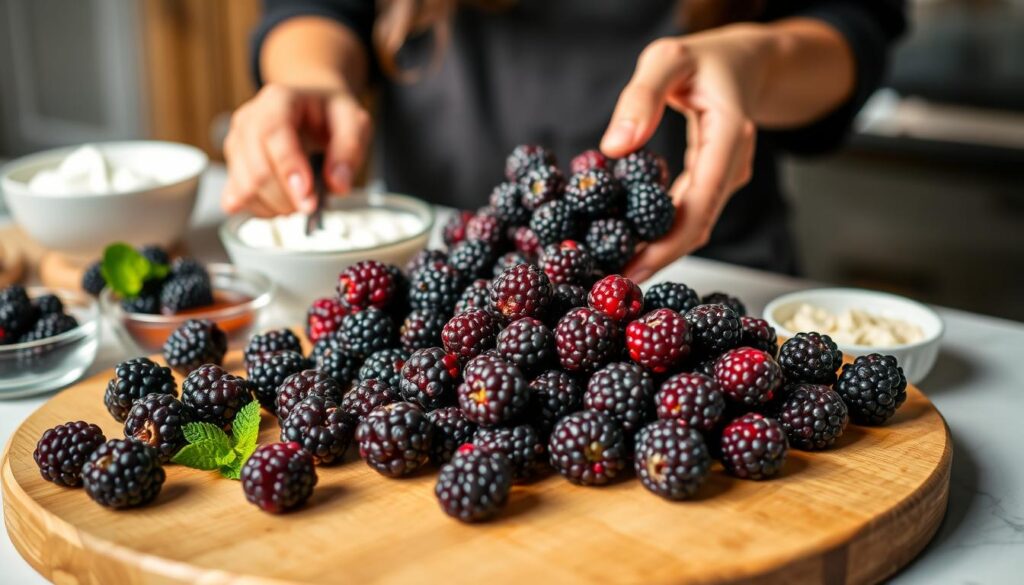
As a dog owner, you’re likely curious about how blackberries stack up against other berries for your furry friend’s health. Berries are a nutritious snack for dogs, offering various vitamins, minerals, and antioxidants. However, not all berries are created equal when it comes to nutritional value and safety for canine consumption.
Comparing Blackberries to Blueberries
Blueberries and blackberries are both antioxidant-rich fruits that can be beneficial for dogs. While both are safe and nutritious, blueberries are often considered slightly more beneficial due to their higher antioxidant content. However, blackberries have more fiber, which can aid in digestive health.
Strawberries and Raspberries for Dogs
Strawberries and raspberries are also safe for dogs in moderation. Strawberries are high in vitamin C and fiber, while raspberries contain antioxidants and manganese. However, they should be given in limited amounts due to their sugar content.
- Strawberries: Rich in vitamin C, fiber
- Raspberries: High in antioxidants, manganese
Berries to Avoid in Canine Diets
Not all berries are safe for dogs. Berries like cherries, holly berries, juniper berries, and baneberries are toxic to dogs and should be avoided entirely.
Nutritional Comparison Chart
| Berry Type | Antioxidants | Fiber | Vitamin C |
|---|---|---|---|
| Blackberries | High | High | Moderate |
| Blueberries | Very High | Moderate | Low |
| Strawberries | Moderate | High | High |
| Raspberries | High | Moderate | Moderate |
In conclusion, while various berries can be a healthy addition to your dog’s diet, it’s essential to understand their nutritional profiles and potential risks. Always introduce new foods gradually and consult with your veterinarian if you have any concerns.
Creative Ways to Serve Blackberries to Your Dog
You can make your dog’s diet more interesting by serving blackberries in different forms. Blackberries are a nutritious and delicious addition to your dog’s meal routine, offering various health benefits. Here are some creative ways to incorporate blackberries into your dog’s diet.
Frozen Blackberry Summer Treats
Frozen blackberries make a refreshing summer treat for dogs. Simply place fresh blackberries in an ice cube tray, add a little water, and freeze them. These frozen treats can help keep your dog cool and hydrated during hot weather.
Blackberry and Yogurt Combinations
Mixing blackberries with plain, unflavored yogurt creates a tasty and healthy snack for dogs. The probiotics in yogurt support digestive health, while blackberries add a burst of antioxidants.
Incorporating Blackberries into Homemade Dog Treats
You can add blackberries to your homemade dog treat recipes for extra nutrition. Blackberries can be mashed and mixed into biscuit dough or used as a topping for dog cakes.
Blackberry-Infused Water for Hydration
For a refreshing drink, you can infuse water with blackberries. Simply add sliced or whole blackberries to a pitcher of water and let it sit in the refrigerator. This infused water can encourage your dog to drink more, promoting hydration.
| Blackberry Serving Ideas | Benefits |
|---|---|
| Frozen Blackberries | Cooling summer treat, hydration |
| Blackberry-Yogurt Mix | Digestive health, antioxidants |
| Blackberry-Infused Water | Encourages hydration |
Commercial Dog Products Containing Blackberries
As a dog owner, you’re likely always on the lookout for healthy treats to add to your pet’s diet, and commercial dog products containing blackberries are worth considering. These products range from blackberry-enhanced dog treats to supplements with blackberry extracts, offering various ways to incorporate the nutritional benefits of blackberries into your dog’s diet.
Blackberry-Enhanced Dog Treats on the Market
Many dog treat manufacturers now include blackberries in their recipes, capitalizing on their nutritional benefits. When selecting blackberry-enhanced dog treats, look for products that use high-quality, organic blackberries and avoid those with artificial preservatives or additives. Some popular brands offer blackberry-flavored treats or mix blackberries with other healthy ingredients like yogurt or peanut butter.
Supplement Products with Blackberry Extracts
For dogs that don’t take well to new treats or for owners who prefer a more concentrated dose of blackberry nutrition, supplement products with blackberry extracts are a viable option. These supplements come in various forms, including capsules, powders, and liquids, and can be added to your dog’s regular meals.
Reading Labels and Avoiding Harmful Ingredients
When choosing commercial dog products with blackberries, it’s crucial to read the labels carefully. Look for products that clearly state the amount of blackberry content and avoid those with harmful additives or by-products. Transparency about ingredients is key to ensuring you’re providing a healthy option for your dog.
Cost vs. Benefit Analysis
While blackberry-enhanced products can be more expensive than regular dog treats, the nutritional benefits they offer can justify the additional cost. Consider your dog’s specific health needs and consult with your veterinarian to determine if these products are a worthwhile investment for your pet’s health.
Conclusion: Blackberries as Part of a Balanced Canine Diet
As we’ve explored throughout this article, blackberries can be a nutritious and healthy addition to your dog’s diet when fed responsibly. Rich in essential vitamins, minerals, and antioxidants, blackberries offer several health benefits, from supporting the immune system to potentially fighting cancer. However, it’s crucial to consider factors such as your dog’s size, health status, and potential allergies when introducing blackberries.
To safely incorporate blackberries into your dog’s diet, remember to follow proper preparation methods, such as washing them thoroughly and removing any stems or leaves. You should also be mindful of the 10% treat rule in canine nutrition to avoid overfeeding. By doing so, you can provide your dog with a delicious and nutritious treat that complements their balanced diet.
When asking “can dogs eat blackberries,” the answer is yes, but with careful consideration of the guidelines outlined in this article. By incorporating blackberries into a balanced canine diet, you can provide your dog with a tasty and healthy snack that supports their overall well-being.