Why Do Cats Lick You? Understanding Feline Behavior
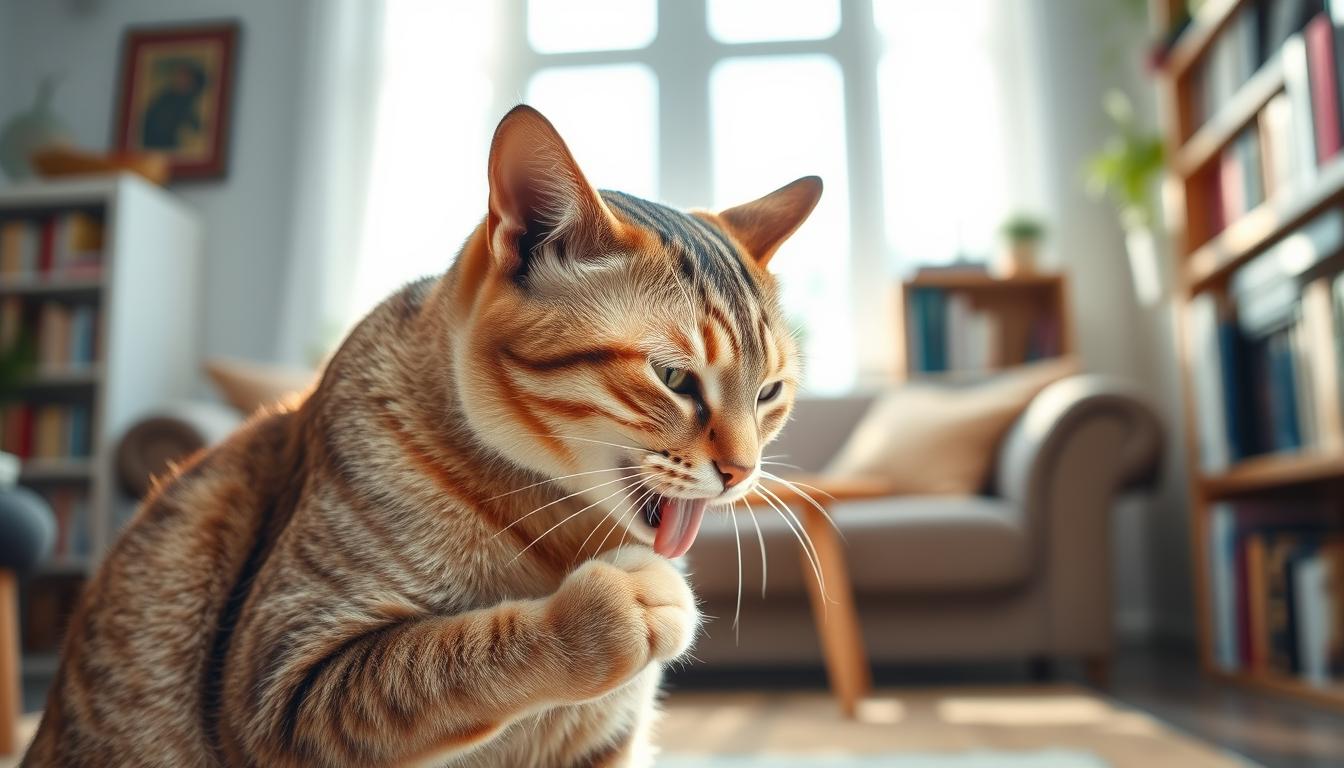
We often find ourselves wondering about the behaviors of our feline friends, particularly when they exhibit actions like licking us. This behavior is not only intriguing but also a significant aspect of understanding cat behavior.
Feline behavior is complex and influenced by a variety of factors, including instinct, environment, and interaction with their human caregivers. By exploring why cats engage in licking behavior, we can deepen our understanding of their needs and strengthen our bond with them.
As we delve into the world of cat behavior, it becomes clear that licking is a multifaceted action that can signify affection, comfort, or even a call for attention.
Table of Contents
The Science Behind Cat Licking Behavior
The science behind cat licking behavior reveals a intricate interplay of evolutionary history and neurological rewards. This complex behavior is not just a simple habit, but a vital aspect of feline life that encompasses grooming, social bonding, and even self-soothing.
Evolutionary Origins of Grooming
Grooming is an essential behavior in cats that has its roots in their evolutionary past. In the wild, cats groomed themselves to remove parasites and dirt, which helped in maintaining their coat and overall health. This behavior was also crucial for their survival as it helped them to remain stealthy and avoid detection by predators. Domesticated cats have retained this grooming behavior, which now serves multiple purposes including relaxation and social bonding.
The act of grooming, including licking, is deeply ingrained in cats. It’s a behavior that they start from a very young age, learning from their mothers. This early learning is crucial as it not only helps in keeping their coat clean but also plays a role in their social development.
Neurological Rewards of Licking
Licking in cats is associated with the release of endorphins, which are natural chemicals that promote feelings of well-being and relaxation. This neurological reward system encourages cats to continue licking as it makes them feel good. The repetitive motion of licking can be calming and soothing, helping to reduce stress and anxiety.
Furthermore, the act of licking can be a self-soothing behavior for cats, similar to how humans might engage in activities like meditation or deep breathing to calm themselves. This behavior is a testament to the complex interplay between a cat’s neurological makeup and their external behaviors.
Why Do Cats Lick You? 7 Common Reasons
Understanding why cats lick their owners can provide insights into their emotional and social behaviors. Cats exhibit licking behavior for a variety of reasons, ranging from affection and bonding to stress relief and exploration.
Showing Affection and Bonding
Cats often lick their owners as a way to show affection and bond with them. This behavior is rooted in their early life experiences with their mothers, where licking was a primary form of comfort and nurturing. When your cat licks you, it’s a sign that they feel comfortable and secure in your presence.
Marking Territory and Ownership
Cats have scent glands in their tongues, and when they lick surfaces or people, they deposit their scent. This behavior is a way for cats to mark their territory and signal ownership to other animals. By licking you, your cat may be claiming you as their own.
Grooming You as Part of Their Family
In feline culture, grooming is a social activity that strengthens bonds within a family group. When cats lick their owners, they may be extending this familial grooming behavior to include humans in their social circle.
Tasting Interesting Flavors on Your Skin
Cats are known for their curiosity, and they often explore their environment through taste and smell. Your skin may contain interesting flavors or scents that attract your cat’s attention, prompting them to lick you.
Seeking Attention or Interaction
Licking can be a way for cats to initiate interaction or seek attention from their owners. If your cat licks you and then looks at you or meows, they may be trying to start a play session or simply seeking affection.
Stress Relief and Self-Soothing
Cats may also lick as a mechanism for stress relief or self-soothing. This behavior can be calming for them, similar to how humans might engage in relaxing activities when stressed.
How to Identify Stress-Related Licking
Stress-related licking in cats can be identified by observing the context and frequency of the behavior. If your cat is licking excessively or in situations that seem to cause them anxiety, it may indicate stress.
Addressing Environmental Stressors
To address stress-related licking, it’s essential to identify and mitigate environmental stressors. This could involve creating a more calming environment or reducing changes in your cat’s routine.
By understanding these 7 common reasons, cat owners can better interpret their cat’s licking behavior and respond appropriately to their needs.
The Language of Licks: Decoding Feline Communication
Cats communicate in various ways, and their licking behavior is a significant aspect of their language. By understanding the different types of licking patterns and how they are combined with other body language cues, we can gain insights into what our cats are trying to communicate. This complex form of communication is essential for cat owners to understand their pets better.
Different Types of Licking Patterns
Cats exhibit various licking patterns, each with its own meaning. Gentle licking is often a sign of affection, while rough or vigorous licking might indicate anxiety or overstimulation. Observing the context in which these licking patterns occur is crucial to understanding their significance.
| Licking Pattern | Possible Meaning |
|---|---|
| Gentle Licking | Affection, Relaxation |
| Rough Licking | Anxiety, Overstimulation |
| Focused Licking | Interest, Curiosity |
Combining Licking with Other Body Language
Cats often combine licking with other forms of body language to convey their message more effectively. Understanding these combinations is key to decoding their communication.
Purring and Licking Combinations
When a cat purrs while licking, it’s often a sign of contentment and relaxation. This combination is commonly seen in cats that feel comfortable and secure in their environment.
Kneading, Headbutting, and Licking Sequences
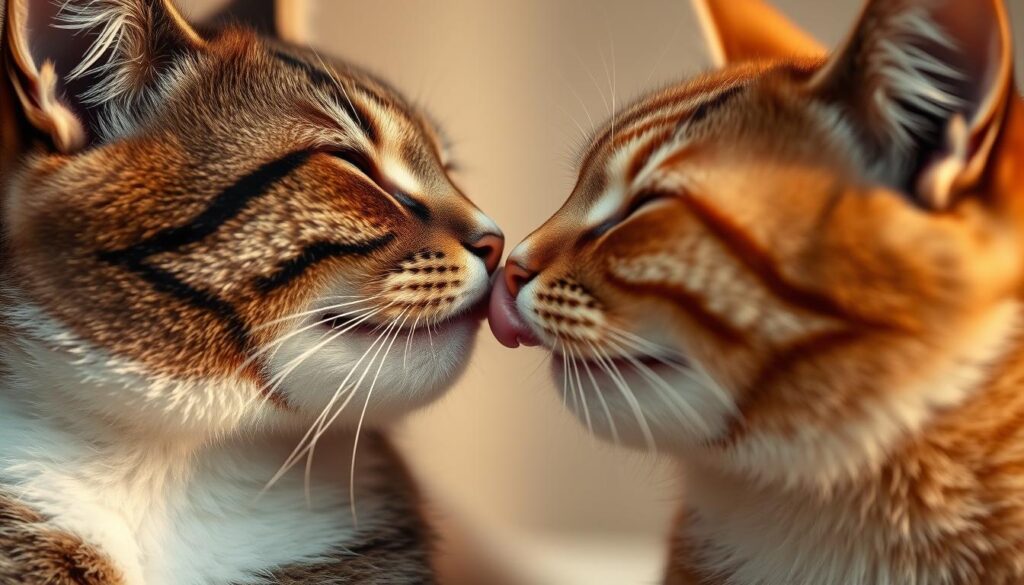
Cats may also knead, headbutt, and lick in sequence, which can indicate a strong bond with their owner or a sign of comfort and familiarity.
From Kitten to Adult: How Licking Behavior Develops
Understanding how cats develop their licking behavior from kittens to adults provides valuable insights into their grooming habits. This behavior is not innate but rather learned through interactions with their mother and environment.
Maternal Grooming and Early Learning
From birth, kittens are groomed by their mother, a process that not only keeps them clean but also teaches them important grooming behaviors. Maternal grooming is crucial as it influences the kitten’s future grooming habits. Kittens learn by observing and imitating their mother’s actions, developing their own licking behavior.
Changes in Licking Behavior Through Life Stages
As cats mature, their licking behavior evolves. Kittens start by licking their mother’s fur and gradually move to self-grooming. Adults may continue to groom each other as a form of social bonding. Changes in licking behavior can be influenced by factors such as health, social status, and environmental conditions. For instance, stress or medical issues can lead to excessive licking.
By understanding these developmental stages, we can better appreciate the complexity of feline grooming habits and their significance in cat behavior.
When Cat Licking Becomes Excessive: Potential Concerns
Excessive cat licking can be a cause for concern, potentially pointing to compulsive behaviors or medical issues. While it’s normal for cats to lick their owners as a sign of affection, persistent or obsessive licking may indicate an underlying problem that needs to be addressed.
Compulsive Behaviors and Anxiety
Cats, like humans, can develop compulsive behaviors, and excessive licking is one manifestation of this. Anxiety can be a significant factor, leading cats to engage in repetitive behaviors as a coping mechanism. Factors contributing to anxiety in cats include changes in their environment, stress, or even boredom due to lack of stimulation.
Some common signs that your cat’s licking is related to anxiety or compulsive behavior include:
- Licking that persists over time without an apparent reason
- Licking accompanied by other compulsive behaviors, such as pacing or excessive grooming
- Changes in appetite or sleep patterns
Medical Issues That May Increase Licking
Medical issues can also be a significant factor in excessive licking. Cats may lick more if they’re experiencing pain or discomfort, or if they have a medical condition that affects their skin or overall health.
Some potential medical issues that could lead to increased licking include:
- Skin allergies or irritations
- Parasites, such as fleas or mites
- Hyperthyroidism or other hormonal imbalances
It’s essential to monitor your cat’s behavior and overall health to identify any potential medical issues early.
When to Consult a Veterinarian
If you notice that your cat’s licking is becoming excessive or is accompanied by other concerning behaviors, it’s crucial to consult with a veterinarian. They can help determine if there’s an underlying medical issue that needs to be addressed.
Consulting a veterinarian is a proactive step in ensuring your cat’s health and well-being. They can provide guidance on how to manage excessive licking and recommend appropriate treatments if necessary.
By understanding the reasons behind your cat’s excessive licking, you can take appropriate steps to address the issue, ensuring a healthier and happier relationship with your pet.
The Rough Tongue: Why Cat Licks Feel Like Sandpaper
A cat’s tongue is a remarkable and essential tool for their grooming, characterized by its sandpaper-like texture. This unique characteristic is not just a quirk of nature; it serves several important functions in a cat’s daily life.
Anatomy of a Cat’s Tongue
The roughness of a cat’s tongue is due to the presence of tiny, backward-facing spines called papillae. These papillae are made of keratin, the same protein that makes up human hair and nails. They give the tongue its rough texture and play a crucial role in grooming.
Functional Benefits of Tongue Texture
The papillae on a cat’s tongue provide several functional benefits. They are crucial for grooming, helping to remove loose hair and distribute skin oils. This not only keeps the cat’s coat clean and healthy but also aids in temperature regulation.
Cleaning Efficiency of Papillae
The papillae act like tiny combs, efficiently removing dirt, debris, and loose fur from the cat’s coat. This cleaning efficiency is essential for maintaining the health and integrity of the cat’s skin and fur.
Temperature Regulation Role
The act of grooming, facilitated by the papillae, also helps in temperature regulation. By spreading saliva over their fur, cats can cool themselves down, especially during hot weather. This behavior is a testament to the multifunctional nature of their tongues.
Understanding the anatomy and functional benefits of a cat’s tongue enhances our appreciation for these complex and fascinating creatures. The next time your cat licks you, you’ll know that the sandpaper-like sensation is not just a peculiar feeling, but a sign of their unique biology.
Licking vs. Biting: Understanding the Transition
Understanding why cats transition from licking to biting is crucial for cat owners who want to maintain a healthy relationship with their pets. While licking is generally a sign of affection, biting can be painful and confusing. Let’s explore the reasons behind this transition and how to manage it.
Why Affectionate Licking Sometimes Turns to Biting
Cats may transition from licking to biting due to overstimulation or when they reach a threshold of excitement or frustration. It’s essential to recognize the signs of overstimulation, such as tail twitching or ear flattening, to prevent biting.
Reasons for the transition include:
- Overstimulation
- Play aggression
- Medical issues
- Boundary testing
Setting Boundaries with Your Cat
Establishing clear boundaries is vital to prevent unwanted biting. This can be achieved by gently discouraging rough play and rewarding gentle behavior.
| Action | Effect |
|---|---|
| Gently stopping play when it becomes too rough | Teaches the cat that biting is not acceptable |
| Rewarding gentle licking or petting | Encourages positive interaction |
By understanding the reasons behind the transition from licking to biting and setting appropriate boundaries, cat owners can foster a more harmonious and safe interaction with their pets.
How to Respond When Your Cat Licks You
Understanding how to react when your cat licks you can significantly enhance your bond and encourage positive behavior. When your cat displays cat affection signs like licking, it’s essential to respond in a way that nurtures this behavior.
Positive Reinforcement Techniques
One effective way to respond to your cat’s licking is through positive reinforcement techniques. By rewarding your cat with treats, praise, or gentle petting when they lick you, you can encourage this feline bonding gesture. This approach not only strengthens your relationship but also helps your cat associate licking with positive outcomes.
For example, when your cat licks you, you can say “good kitty” and give them a treat. This positive reinforcement will help your cat understand that their behavior is appreciated and encouraged.
Creating Healthy Boundaries
While it’s essential to encourage positive behavior, it’s equally important to create healthy boundaries with your cat. If your cat’s licking becomes too intense or frequent, you may need to gently discourage the behavior. You can do this by calmly saying “no” or gently pushing your cat away.
| Boundary Setting Techniques | Description |
|---|---|
| Verbal Cues | Using a calm, firm tone to say “no” or “stop” |
| Gentle Physical Deterrence | Lightly pushing your cat away or holding their paws |
| Redirecting Attention | Diverting your cat’s attention to a toy or other activity |
Redirecting Excessive Licking Behavior
If your cat’s licking becomes excessive, it’s crucial to redirect excessive licking behavior to prevent potential issues. Excessive licking can be a sign of anxiety or stress in cats. By redirecting this behavior, you can help your cat find more constructive ways to cope with their emotions.
One effective way to redirect excessive licking is to engage your cat in play or provide them with interactive toys. This can help distract your cat from the behavior and channel their energy into a more positive activity.
Caring for Your Skin After Cat Licking
As we enjoy the affectionate licks from our cats, it’s crucial to consider the potential impact on our skin. While cat licking is generally a harmless display of affection, there are instances where it might lead to skin irritations or other hygiene concerns.
Potential Skin Irritations from Cat Tongues
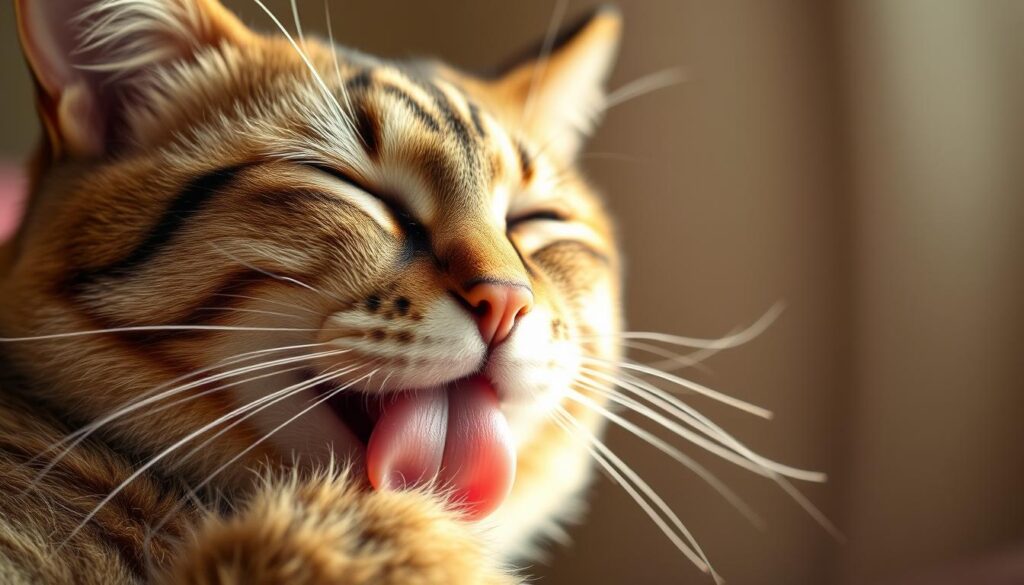
Cat tongues are rough due to the presence of tiny, backward-facing spines called papillae, which help them groom. When these rough tongues come into contact with human skin, they can sometimes cause irritation, especially in people with sensitive skin. Redness, itching, or minor abrasions are possible reactions. In rare cases, if your cat has certain health issues, their saliva might contain bacteria or other pathogens that could potentially lead to infections.
Hygiene Considerations and Best Practices
To maintain good hygiene and minimize potential skin issues after cat licking, it’s advisable to gently wash the affected area with mild soap and water. Regularly grooming your cat and keeping their nails trimmed can also reduce the risk of skin irritation. Additionally, being mindful of your cat’s health and ensuring they receive regular veterinary check-ups can help prevent any potential transfer of pathogens through licking.
By being aware of these factors and taking simple precautions, cat owners can enjoy the affectionate licks from their pets while maintaining good skin health.
Comparing Cat Licking to Other Pets’ Behaviors
To better understand cat licking, it’s helpful to compare it with other common household pets, like dogs. While both cats and dogs use licking as a form of communication and affection, the context and meaning behind this behavior can differ significantly between the two species.
Dogs vs. Cats: Different Meanings of Licking
Dogs often lick to seek attention, express excitement, or even to apologize. In contrast, cats typically lick to show affection, mark their territory, or groom themselves and their human family members. Understanding these differences can help pet owners better interpret their pets’ behaviors.
What Makes Feline Grooming Unique
Feline grooming is distinct due to its multifunctional nature. Cats use their tongues not only for cleaning but also for marking territory and showing affection. The rough texture of their tongues, equipped with tiny backward-facing spines, allows for effective grooming and can also be a factor in the bonding experience between cats and their owners.
Conclusion
As we have explored throughout this article, cat licking behavior is a complex and multifaceted phenomenon. By examining the science behind it, we have gained a deeper understanding of why cats lick their owners. From showing affection and bonding to marking territory and seeking attention, the reasons behind this behavior are diverse.
Our analysis has revealed that cat licking is not just a simple gesture; it’s a form of communication, a way to establish a connection with their human family members. We have also discussed how this behavior develops from kittenhood to adulthood and how it compares to other pets, such as dogs.
By recognizing the different types of licking patterns and combining them with other body language, we can better understand our feline friends’ needs and emotions. Whether it’s a sign of affection or a call for attention, cat licking behavior is an essential aspect of cat ownership. As we continue to learn more about our cats’ behavior, we can strengthen our bond with them and provide a more nurturing environment.