Best Hummingbird Feeders for Birds – Attract Colorful Hummingbirds
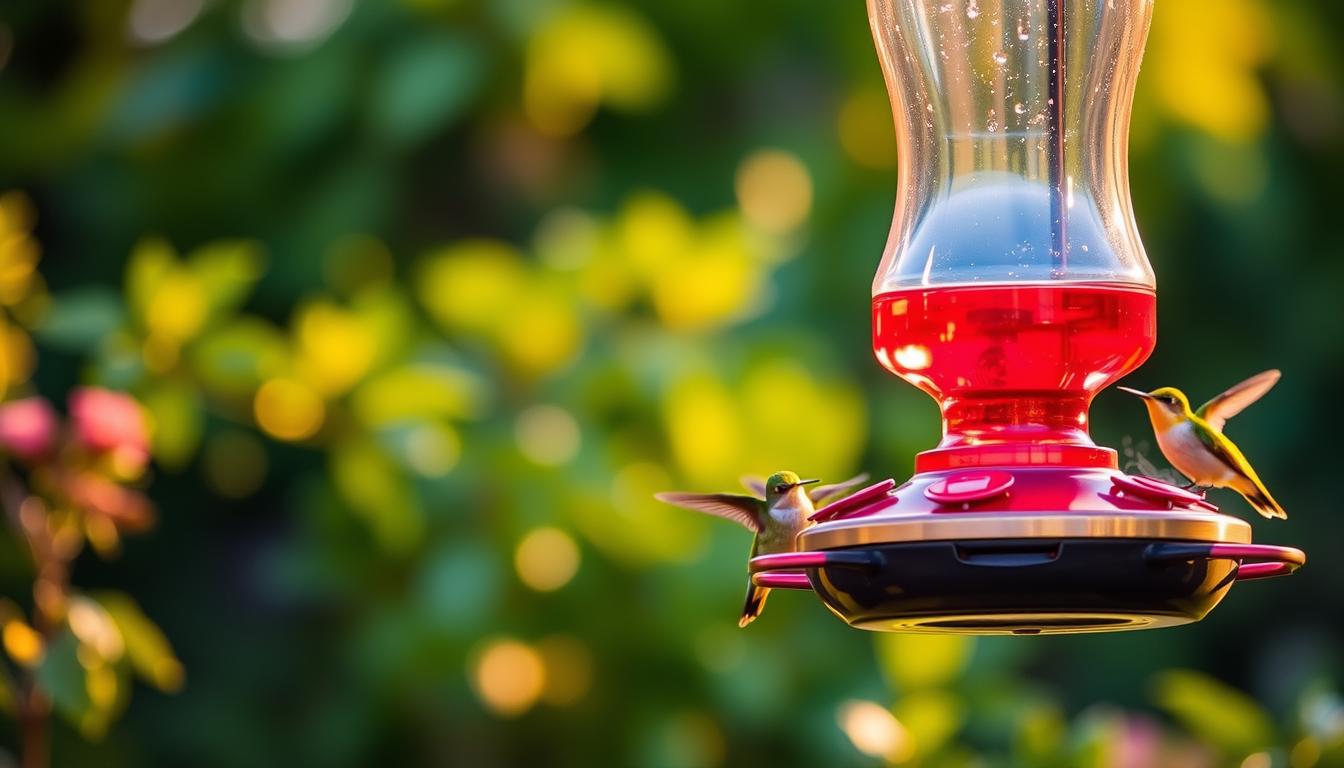
Are you looking to add a splash of color to your garden? Attracting hummingbirds can be a delightful way to enhance your outdoor space. These tiny, iridescent creatures are a joy to watch as they flit from flower to flower.
Using the right hummingbird feeder can make a significant difference in drawing these birds to your yard. By providing a source of nectar, you can create a haven for these beautiful creatures. The best hummingbird feeders are designed to mimic the flowers that hummingbirds are naturally attracted to.
Table of Contents
Why Hummingbirds Are Worth Attracting to Your Garden
Creating a hummingbird-friendly garden is not only a pleasure but also a way to support local ecosystems. By attracting these birds, you can enhance your garden’s biodiversity and enjoy the unique experience of observing hummingbirds up close.
Ecological Benefits of Hummingbirds
Hummingbirds play a crucial role in pollination, transferring pollen between flowers as they feed on nectar. This process supports the reproduction of many plant species, contributing to a healthy and diverse garden ecosystem.
| Ecological Benefit | Description |
|---|---|
| Pollination | Hummingbirds transfer pollen between flowers, aiding in plant reproduction. |
| Pest Control | They consume insects, helping to control pest populations. |
The Joy of Hummingbird Watching
Observing hummingbirds can be a source of joy and relaxation. Their rapid wing movement and bright plumage make them a delight to watch, enhancing the overall experience of your garden.
By understanding the benefits and joys of having hummingbirds in your garden, you can better appreciate the value of creating a welcoming environment for these remarkable birds.
Understanding Hummingbird Feeding Habits
The feeding habits of hummingbirds are fascinating and play a significant role in their attraction to gardens. Hummingbirds are attracted to feeders that mimic their natural diet, which primarily consists of nectar, a high-energy food source.
Natural Diet of Hummingbirds
Hummingbirds feed on nectar, a sweet, energy-rich liquid secreted by flowers. They also consume insects and spiders for protein. To replicate this diet, you can use a hummingbird feeder filled with a sugar-water solution.
Feeding Patterns Throughout the Year
Hummingbirds have different feeding patterns throughout the year. During the breeding season, they require more protein to feed their young, so they consume more insects. In the winter, they rely heavily on nectar for energy.
Migration Considerations
As hummingbirds migrate, their feeding needs change. They require more energy to fuel their long journeys, so maintaining a consistent nectar supply is crucial.
| Feeding Habit | Description |
|---|---|
| Natural Diet | Nectar and insects/spiders |
| Breeding Season | More insects for protein |
| Migration | High energy nectar supply |
By understanding these feeding habits, you can create a welcoming environment for hummingbirds and enjoy their presence in your garden.
Key Features of an Effective Birds Hummingbird Feeder
An effective hummingbird feeder is designed with several key features that attract these birds and ensure the feeder’s longevity. When choosing a birds hummingbird feeder, it’s essential to consider aspects that cater to the birds’ preferences and needs.
Nectar Capacity and Reservoir Design
The nectar capacity of a hummingbird feeder determines how often you need to refill it. A larger reservoir means less frequent refills, which is convenient, especially if the feeder is placed in a hard-to-reach location. Look for feeders with a design that allows for easy refilling and cleaning.
Feeding Port Types and Quantity
The design and number of feeding ports can significantly impact the feeder’s effectiveness. Multiple ports allow more hummingbirds to feed simultaneously, reducing competition and aggression among the birds. The ports should be designed to prevent spills and drips, keeping the surrounding area clean.
Color Considerations
Hummingbirds are attracted to colorful bird feeders, particularly those with red parts, as red is a color associated with nectar-rich flowers. However, the overall color scheme should not be overly bright or garish, as this can deter some birds. A balanced approach that includes red accents can be very effective.
Ease of Cleaning and Maintenance
Regular cleaning is crucial to prevent mold and bacterial growth in the feeder, which can harm the hummingbirds. A feeder that is easy to disassemble and clean will make maintenance less of a chore. Look for feeders with dishwasher-safe parts or simple designs that allow for thorough cleaning.
By considering these key features, you can select a hummingbird feeder that not only attracts these beautiful birds but also provides them with a safe and reliable source of nectar.
Top Dish-Style Hummingbird Feeders
The best dish-style hummingbird feeders offer a unique combination of functionality and design, making them a popular choice among gardeners who want to attract these beautiful birds.
Dish-style feeders are known for their ease of use and cleaning, as well as their ability to accommodate multiple hummingbirds at once. Here, we’ll review three top-rated dish-style hummingbird feeders that stand out from the rest.
Aspects HummZinger Excel Hanging Hummingbird Feeder
Overview
The Aspects HummZinger Excel is a highly-rated feeder known for its durability and ease of cleaning. It features a simple, ant-proof design that ensures nectar is kept fresh and free from contamination.
Pros
- Easy to Clean: The HummZinger Excel is designed with a simple, take-apart mechanism that makes cleaning a breeze.
- Ant-Proof: The feeder’s design prevents ants from reaching the nectar, reducing waste and mess.
- Durable: Made from high-quality materials, this feeder is built to last.
Cons
- Some Users Find it Pricey: While the quality justifies the cost, some users may find the price higher than expected.
- Limited Capacity: The feeder holds 32 oz of nectar, which may require frequent refills during peak hummingbird season.
Features
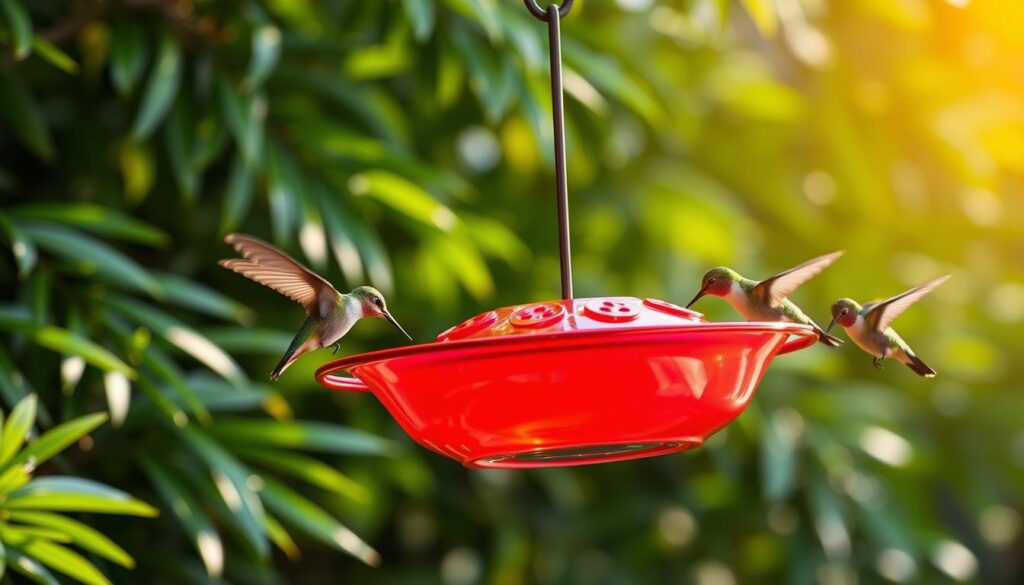
The HummZinger Excel features a red, flower-shaped design that attracts hummingbirds, along with a built-in ant moat to keep insects out. It’s also easy to hang and comes with a sturdy hook.
First Nature 3055 Hummingbird Feeder
Overview
The First Nature 3055 is another highly-regarded dish-style feeder that offers a large capacity and easy cleaning. Its design allows for up to 8 hummingbirds to feed simultaneously.
Pros
- High Capacity: This feeder holds 64 oz of nectar, making it ideal for larger gardens or areas with many hummingbirds.
- Multiple Feeding Ports: Up to 8 hummingbirds can feed at once, making it perfect for busy gardens.
- Easy to Clean: The feeder is designed for easy disassembly and cleaning.
Cons
- Some Parts May Be Fragile: Users have reported that some plastic parts can be prone to breaking.
- Assembly Required: While not difficult, some users may find the initial assembly a bit challenging.
Features
The First Nature 3055 features a large, 64 oz capacity and is designed with multiple feeding ports to accommodate several hummingbirds at once. It’s also made from durable, BPA-free materials.
Perky-Pet 136TF Hummingbird Feeder
Overview
The Perky-Pet 136TF is a popular dish-style feeder known for its bright, flower-like design and ease of use. It’s a great choice for those looking for a simple, effective feeder.
Pros
- Attractive Design: The feeder’s bright red color and flower-shaped design attract hummingbirds.
- Easy to Use: It’s simple to hang and fill, making it a great choice for beginners.
- Affordable: Priced lower than some competitors, it’s a great value.
Cons
- Some Users Report Leaks: A few users have noted that the feeder can leak if not assembled correctly.
- Limited Capacity: It holds 12 oz of nectar, which may require frequent refills.
Features
The Perky-Pet 136TF features a bright red, flower-like design that hummingbirds find irresistible. It’s also easy to hang and comes with a built-in hook for convenient placement.
Best Bottle-Style Hummingbird Feeders
For those looking to attract hummingbirds to their gardens, bottle-style feeders offer an effective solution. These feeders are designed to provide a convenient and easy-to-maintain way to feed hummingbirds, with features that cater to their specific needs.
More Birds Ruby Hummingbird Feeder
Overview
The More Birds Ruby Hummingbird Feeder is a popular choice among hummingbird enthusiasts. Its bottle-style design makes it easy to fill and clean, and it’s made from durable materials that can withstand various weather conditions.
Pros
- Easy to assemble and clean
- Durable construction
- Attractive ruby red color that attracts hummingbirds
Cons
- Some users find the feeder’s capacity to be on the smaller side
- The red color may fade over time
Features
| Feature | Description |
|---|---|
| Capacity | 32 oz |
| Material | Durable plastic |
| Color | Ruby red |
Perky-Pet 203CPBR Pinchwaist Hummingbird Feeder
Overview
The Perky-Pet 203CPBR Pinchwaist Hummingbird Feeder is another well-regarded option. Its unique pinchwaist design helps to prevent bees and other insects from accessing the nectar.
Pros
- Effective bee guard design
- Easy to clean
- Attractive appearance
Cons
- Some users report that the feeder can leak
- The plastic material may become brittle over time
Features
| Feature | Description |
|---|---|
| Capacity | 32 oz |
| Material | BPA-free plastic |
| Bee Guard | Pinchwaist design |
Sherwoodbase Glass Hummingbird Feeder
Overview
The Sherwoodbase Glass Hummingbird Feeder offers a more traditional and elegant design. Made from high-quality glass, it’s both durable and visually appealing.
Pros
- Durable glass construction
- Easy to clean
- Classic, elegant design
Cons
- May be heavier and more prone to breakage than plastic feeders
- Some users find the design to be less bee-resistant
Features
| Feature | Description |
|---|---|
| Capacity | 40 oz |
| Material | High-quality glass |
| Mounting | Hanging |
Window-Mounted Hummingbird Feeders
If you’re looking to enhance your hummingbird-watching experience, consider installing a window-mounted feeder. These feeders offer a unique viewing experience, bringing the birds closer to your home without the need for extensive garden setups.
Aspects Jewel Box Window Hummingbird Feeder
Overview
The Aspects Jewel Box is a popular choice among hummingbird enthusiasts. It’s designed to be mounted directly on a window, providing an unobstructed view of the birds as they feed.
Pros
- Easy to install and clean
- Strong suction cups for secure mounting
- Attractive design that complements home decor
Cons
- Some users find the capacity to be on the smaller side
- May not be suitable for very large windows
Features
The Aspects Jewel Box feeder is designed with a simple, yet effective, nectar reservoir and feeding ports. Its compact size makes it ideal for smaller windows.
Nature’s Hangout Window Hummingbird Feeder
Overview
Nature’s Hangout offers a sturdy and easy-to-use window-mounted feeder that is perfect for hummingbird enthusiasts.
Pros
- Durable construction
- Easy to fill and clean
- Provides a clear view of the hummingbirds
Cons
- Some users report issues with the suction cups losing grip over time
- Limited color options
Features
This feeder features a simple, intuitive design that makes it easy to use and maintain. It’s a great option for those new to hummingbird feeding.
Perky-Pet Window Mount Plastic Hummingbird Feeder
Overview
The Perky-Pet Window Mount is a versatile and affordable option for those looking to attract hummingbirds to their windows.
Pros
- Affordable price point
- Easy to install and clean
- Comes with a built-in ant moat
Cons
- Made of plastic, which may not be as durable as other materials
- Some users find the design to be less attractive than other models
Features
This feeder is designed with functionality in mind, featuring a simple nectar reservoir and feeding ports. The built-in ant moat is a useful feature for keeping ants out of the nectar.
Decorative and Artistic Hummingbird Feeders
For those who appreciate both form and function, decorative and artistic hummingbird feeders are a perfect addition to any garden. These feeders not only attract hummingbirds with their nectar but also enhance the visual appeal of your outdoor space.
Grateful Gnome Hand Blown Glass Hummingbird Feeder
The Grateful Gnome Hand Blown Glass Hummingbird Feeder is a stunning piece that combines artistry with functionality. Its beautiful design makes it a focal point in any garden.
Overview
This feeder is crafted from high-quality glass, ensuring durability and resistance to the elements. Its unique design makes it a great conversation piece.
Pros
- Handcrafted with high-quality glass
- Unique and artistic design
- Durable and weather-resistant
Cons
- May require careful handling due to its glass material
- Higher price point compared to some other feeders
Features
The feeder features a beautiful, hand-blown glass design that is both decorative and functional. It includes multiple feeding ports and a sturdy hanging mechanism.
Wild Wings WWGHF1 Top Fill Hummingbird Feeder
The Wild Wings WWGHF1 Top Fill Hummingbird Feeder offers a blend of style and functionality. Its top-fill design makes it easy to refill without removing it from the hanging position.
Overview
This feeder is designed with both hummingbirds and garden aesthetics in mind. It’s made from durable materials and features an attractive design.
Pros
- Easy top-fill design for convenient refilling
- Durable construction
- Attractive design that complements garden decor
Cons
- Some users may find the feeding ports small
- Not as artistic as some other options
Features
The feeder includes a top-fill reservoir, multiple feeding ports, and is designed for easy cleaning and maintenance.
Homestead Essentials Blown Glass Hummingbird Feeder
The Homestead Essentials Blown Glass Hummingbird Feeder is another beautiful option for those looking to add a decorative touch to their garden. Its blown glass construction ensures a unique piece.
Overview
This feeder is not only functional but also serves as a decorative piece. It’s made from high-quality, blown glass.
Pros
- Unique, handcrafted design
- High-quality glass construction
- Decorative appeal
Cons
- Glass can be fragile
- May be more expensive than other options
Features
The feeder features a beautiful, blown glass body with multiple feeding ports. It’s designed to be both attractive and easy to clean.
Optimal Placement of Your Hummingbird Feeder
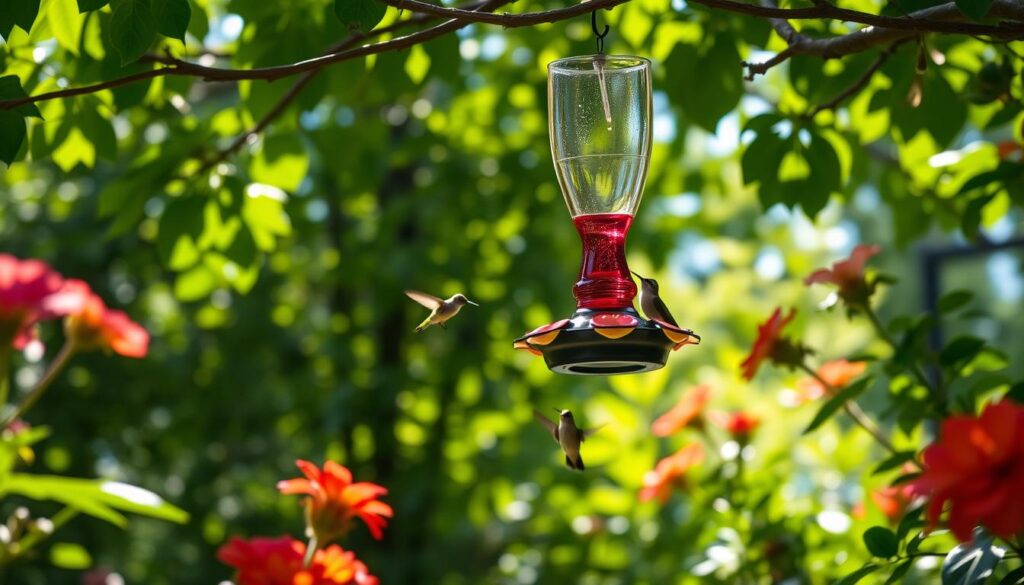
The placement of your hummingbird feeder is crucial for attracting these birds and ensuring their safety. Proper placement can enhance your viewing pleasure while minimizing potential hazards for the hummingbirds.
Distance from Windows and Structures
One of the primary considerations when placing a hummingbird feeder is its distance from windows and other structures. Hummingbirds can fly at high speeds and may collide with windows if they are too close. To minimize this risk, place feeders either very close to windows (within a few feet) or at a distance of more than 10 feet away. This strategy can help reduce the likelihood of fatal collisions.
Shade vs. Sun Considerations
The amount of sunlight your feeder receives can impact the nectar’s quality and the overall attractiveness of the feeder to hummingbirds. While some sunlight can be beneficial, direct sunlight for extended periods can cause the nectar to spoil more quickly. Consider placing your feeder in a location that receives partial shade, especially during the hottest parts of the day.
Protection from Predators
Predators, such as cats and birds of prey, can be a threat to hummingbirds visiting your feeder. To protect these birds, place your feeder in a location that is difficult for predators to access. Avoid placing feeders near structures that cats or other animals can jump from, and consider using feeders with built-in predator guards.
Multiple Feeder Placement Strategies
If you plan to hang multiple feeders, consider spacing them far enough apart to prevent territorial conflicts among the hummingbirds. A good rule of thumb is to place feeders at least 10 to 15 feet apart. This spacing can help reduce competition and allow more birds to feed comfortably.
| Placement Consideration | Benefit |
|---|---|
| Close to windows (within a few feet) | Reduces collision risk |
| Far from windows (more than 10 feet) | Minimizes fatal collisions |
| Partial shade | Preserves nectar quality |
| Avoiding predator access points | Protects hummingbirds from predators |
| Spacing multiple feeders | Reduces territorial conflicts |
By carefully considering the placement of your hummingbird feeder, you can create a safe and welcoming environment for these beautiful birds, enhancing your hummingbird-watching experience.
Preparing the Perfect Nectar for Hummingbirds
The key to a hummingbird-friendly garden lies in understanding how to prepare nectar that meets their needs. Hummingbirds rely heavily on nectar as a primary source of energy, making the composition of the nectar crucial for their survival.
Homemade Nectar Recipe
Preparing homemade nectar is straightforward and cost-effective. The traditional recipe involves mixing four parts water with one part sugar. It’s essential to use plain white sugar, as other types of sugar or sweeteners can be harmful to hummingbirds.
Nectar Recipe:
| Water | Sugar |
|---|---|
| 4 cups | 1 cup |
| 2 cups | 1/2 cup |
Commercial Nectar Options
If preparing homemade nectar is not feasible, commercial nectar options are available. These products are specifically formulated to meet hummingbirds’ nutritional needs. When selecting a commercial nectar, look for products that are free from additives and preservatives.
“Using a commercial nectar can be a convenient alternative, but always check the ingredients to ensure they align with hummingbirds’ dietary requirements.”
What to Avoid in Nectar Preparation
Avoid using honey, artificial sweeteners, or red dye in your nectar recipe, as these can be detrimental to hummingbirds’ health. Additionally, ensure that the nectar is fresh and not contaminated, as mold and bacteria can grow rapidly in nectar.
Maintenance and Cleaning of Hummingbird Feeders
Regular cleaning and maintenance of yourbirds hummingbird feederare necessary to prevent the growth of mold and bacteria, ensuring the health and safety of the hummingbirds.
Cleaning Schedule and Importance
Cleaning your hummingbird feeder regularly is crucial, especially in warm weather. It’s recommended to clean the feeder every 3-5 days to prevent bacterial growth. Use a mixture of hot water and white vinegar to scrub away any mold or debris. Rinse thoroughly before refilling.
Recommended Cleaning Methods
To effectively clean your best hummingbird feeder, start by disassembling it into its component parts. Soak the parts in a solution of 1 part white vinegar to 2 parts water. Use a small brush to scrub away any stubborn stains or mold. Rinse all parts thoroughly with hot water before reassembling the feeder.
Seasonal Maintenance Tips
During peak hummingbird season, check your feeder frequently for signs of wear or damage. In colder months, consider bringing your feeder inside or using a heated feeder to prevent freezing. Regularly inspect the feeder’s parts for any signs of deterioration and replace them as needed to maintain the feeder’s effectiveness.
By following these maintenance and cleaning tips, you can enjoy watching hummingbirds visit your birds hummingbird feeder while keeping them safe and healthy.
Companion Plants to Enhance Your Hummingbird Garden
Transforming your garden into a hummingbird haven requires more than just a feeder; it demands a thoughtful selection of companion plants. By incorporating the right flowers and plants, you can create a vibrant and welcoming environment that attracts these beautiful birds.
Native Flowering Plants for Hummingbirds
Hummingbirds are particularly drawn to native flowering plants that are rich in nectar. Some of the most effective plants include Trumpet Vine, Cardinal Flower, and Salvias. These plants not only provide a natural source of food but also add beauty and diversity to your garden.
Creating a Year-Round Hummingbird Habitat
To keep hummingbirds visiting your garden throughout the year, it’s essential to plant a variety of flowers that bloom at different times. This ensures a constant supply of nectar, even as the seasons change. Consider incorporating plants that bloom in the spring, summer, and fall to create a year-round habitat.
Combining Plants and Feeders Effectively
While feeders provide a reliable source of nectar, combining them with the right plants can enhance their effectiveness. Place feeders near flowering plants to create a hummingbird-friendly zone. This strategic placement not only attracts hummingbirds but also provides them with a convenient and abundant food source.
By thoughtfully selecting and combining companion plants and feeders, you can create a thriving hummingbird garden that will be a joy to behold for years to come.
Conclusion: Creating a Hummingbird Haven in Your Garden
As you transform your garden into a hummingbird haven, remember that patience and observation are key. By choosing the right hummingbird feeder and placing it strategically, you’re well on your way to attracting these colorful birds. Consider the type of feeder that suits your needs, whether it’s a dish-style, bottle-style, or window-mounted feeder from brands like Aspects or Perky-Pet.
To enhance your bird watching experience, incorporate companion plants that provide a natural source of nectar, such as native flowering plants. This will not only attract hummingbirds but also create a vibrant and dynamic garden ecosystem. By following hummingbird feeding tips, such as maintaining a clean feeder and preparing the perfect nectar, you’ll be able to enjoy these beautiful creatures up close.
With the right equipment and a little knowledge, you can create a welcoming environment that will attract hummingbirds to your garden for years to come. So, get ready to enjoy the thrill of bird watching and the joy of having these incredible creatures in your yard.