Best Litter for Cats: Types, Reviews, and Tips for a Clean Home

Table of Contents
Choosing the right cat litter can be a daunting task, but it’s crucial for maintaining a clean and healthy home. With numerous options available, understanding the different types of litter and their benefits is essential.
You’re probably looking for a litter that not only meets your cat’s needs but also makes your life easier. In this article, we’ll explore various cat litter types, review popular products, and provide tips on how to keep your home clean and odor-free.
Understanding Cat Litter Basics
As a cat owner, understanding the basics of cat litter can make a significant difference in your pet’s health and happiness. Cat litter has evolved over the years, offering a range of options to suit different needs and preferences.
The Evolution of Cat Litter
From simple clay-based litters to advanced natural cat litter and clumping cat litter options, the variety available today is vast. This evolution caters to the diverse needs of cats and their owners, ensuring there’s something for everyone.
Why Choosing the Right Litter Matters
Selecting the appropriate cat litter is not just about personal preference; it significantly impacts your cat’s health and your cleaning routine. The right litter can reduce odors, minimize dust, and make litter box maintenance easier.
Health Considerations
Some cats are sensitive to certain types of litter, making health considerations crucial when choosing a litter. For instance, cats with respiratory issues may benefit from low-dust or natural litters.
Behavioral Factors
Behavioral factors also play a role in litter selection. Cats may have preferences for certain textures or odors, influencing their willingness to use the litter box. Observing your cat’s behavior can help in selecting a litter that they find acceptable.
Types of Cat Litter Available Today
From traditional clay-based litters to innovative eco-friendly options, the choices are vast. Cat owners can select from a variety of litter types, each with its unique characteristics and benefits.
Clay-Based Litters
Clay-based litters are one of the most commonly used types. They are known for their absorbency and ability to form clumps when your cat urinates, making it easier to scoop out waste. Top cat litter brands often offer clay-based formulas that are effective at odor control.
Silica Gel Crystal Litters
Silica gel crystal litters are highly absorbent and known for their excellent odor control. They are made from silica gel, which is non-toxic and safe for your cat. These litters are also dust-free, making them a good choice for cats with respiratory issues.
Natural and Biodegradable Options
For those looking for eco-friendly cat litter or natural cat litter, there are several biodegradable options available.
Wood-Based Products
Wood-based litters are made from natural wood and are biodegradable. They are a good choice for those looking for a sustainable option.
Corn and Wheat Formulations
Litters made from corn and wheat are another natural alternative. They are biodegradable and offer good odor control.
Paper-Based Litters
Paper-based litters are made from recycled paper products. They are highly absorbent, compostable, and a great option for those seeking an eco-friendly cat litter
With so many options available, cat owners can choose a litter that not only meets their cat’s needs but also aligns with their personal preferences and values.
Clumping vs. Non-Clumping Litter: Which Is Better?
When it comes to cat litter, one of the most significant decisions you’ll make is whether to use clumping or non-clumping litter. This choice largely depends on your cat’s preferences, your budget, and your priorities regarding odor control and maintenance.
How Clumping Litter Works
Clumping litter is designed to form clumps when it comes into contact with your cat’s waste, making it easier to scoop out solid waste. This type of litter is usually made from clay or other absorbent materials. Clumping cat litter is popular for its convenience and effectiveness in odor control.
Benefits of Non-Clumping Varieties
Non-clumping litter, on the other hand, doesn’t form clumps and often requires more frequent changing. However, it’s generally less expensive upfront and can be a good option for cats that don’t produce a lot of waste or for owners who prefer a more straightforward, no-frills litter solution.
Cost Comparison Over Time
The cost of clumping versus non-clumping litter can vary significantly over time. While non-clumping litter may be cheaper initially, clumping litter can be more cost-effective in the long run due to its ability to be scooped and reused.
Initial Investment vs. Long-Term Value
| Litter Type | Initial Cost | Long-Term Cost |
|---|---|---|
| Clumping | Higher | Lower |
| Non-Clumping | Lower | Higher |
Ultimately, the best litter for cats depends on your specific needs and preferences. By considering factors such as cost, odor control, and maintenance, you can make an informed decision that works best for you and your cat.
Best Litter for Cats with Specific Needs
The right cat litter can be a game-changer for cats with specific needs, whether they’re kittens, seniors, or have health issues. Cats with unique requirements need litter that caters to their comfort and health.
Litter for Kittens and Senior Cats
Kittens and senior cats benefit from litter that’s gentle on their paws. Low dust cat litter is particularly beneficial as it reduces the risk of respiratory issues. For kittens, a non-toxic and safe litter is crucial in case of accidental ingestion.
Options for Cats with Respiratory Issues
Cats with respiratory problems require litter that minimizes dust and odor. Low dust cat litter made from materials like silica gel or natural fibers can be a good choice. Additionally, litters with odor control, such as those using activated carbon, can help reduce irritation.
Solutions for Cats with Sensitive Paws
For cats with sensitive paws, the texture of the litter is crucial.
Soft Texture Alternatives
Litters made from recycled paper or natural fibers offer a soft texture that can be more comfortable for sensitive cats.
Large Granule Options
Some cats prefer larger granules as they are gentler on their paws. However, it’s essential to ensure these don’t cause discomfort or tracking issues.
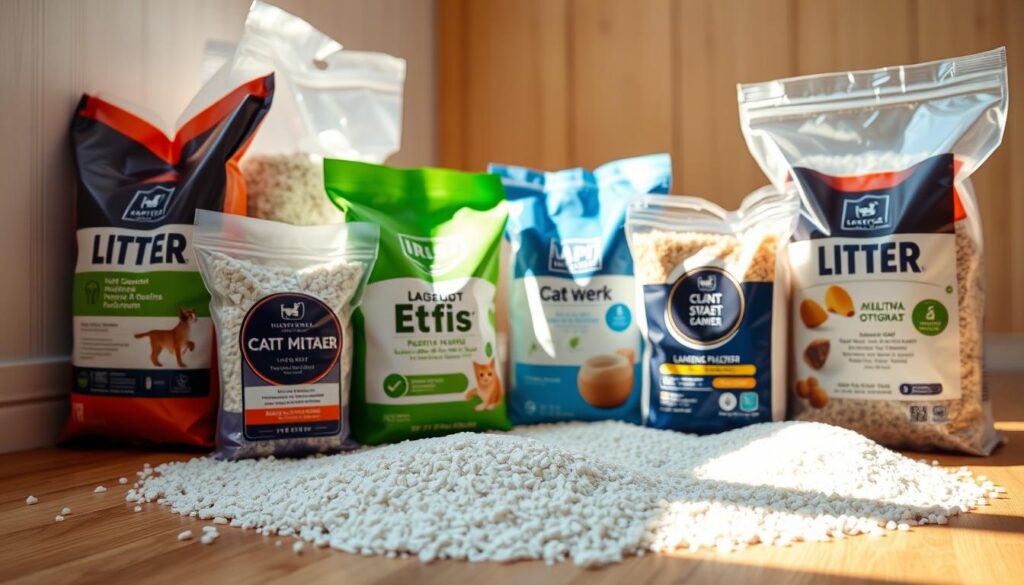
Choosing the best litter involves considering your cat’s specific needs and preferences. Whether it’s for odor control, dust reduction, or comfort, there’s a litter out there that’s perfect for your cat.
Best Litter for Cats: Top Brands Reviewed
Selecting the right cat litter can be challenging, but reviewing top brands can simplify the decision-making process. With numerous options available, it’s essential to consider the features, advantages, and customer feedback of various brands.
Dr. Elsey’s Precious Cat Ultra
Dr. Elsey’s Precious Cat Ultra is known for its 99.9% dust-free formula, making it an excellent choice for cats and owners with respiratory issues. Its clumping ability is highly praised, allowing for easy cleaning.
World’s Best Cat Litter
World’s Best Cat Litter is made from whole kernel corn, making it a natural and biodegradable option. It’s also known for its effective odor control and clumping capabilities.
Arm & Hammer Clump & Seal
Arm & Hammer Clump & Seal is a popular choice due to its ability to form tight clumps when it comes into contact with moisture, making litter box cleaning easier. It also contains odor-neutralizing particles.
Fresh Step Advanced
Fresh Step Advanced litter is designed with odor control in mind, featuring activated carbon to absorb unpleasant smells. It’s available in various scents and is known for its effective moisture control.
Purina Tidy Cats
Purina Tidy Cats is a well-known brand that offers a range of litter products, including clumping and non-clumping varieties. Their litter is praised for its odor control and affordability.
| Brand | Dust Level | Clumping Ability | Odor Control |
|---|---|---|---|
| Dr. Elsey’s Precious Cat Ultra | 99.9% Dust-Free | Excellent | Good |
| World’s Best Cat Litter | Low | Good | Excellent |
| Arm & Hammer Clump & Seal | Medium | Excellent | Good |
| Fresh Step Advanced | Medium | Good | Excellent |
| Purina Tidy Cats | Medium | Good | Good |
As seen in the table, each brand has its unique features. According to a cat litter review on Cat Litter Reviews, “The right litter can significantly improve your cat’s health and happiness.”
“The best cat litter is one that balances your cat’s comfort with your need for convenience and odor control.”
By considering these top brands and their features, you can make an informed decision that suits your cat’s needs and your preferences.
Best Cat Litter for Odor Control
The quest for an odor-free home starts with choosing the best cat litter designed to minimize unpleasant smells. Effective odor control is crucial for maintaining a clean and comfortable living environment for both you and your cat.
Activated Carbon Technologies
Activated carbon is a highly effective odor absorber. It works by trapping odor-causing molecules, neutralizing them, and leaving your home smelling fresh. Many top-rated cat litters incorporate activated carbon for its superior odor-controlling properties.
Baking Soda Enhanced Formulas
Baking soda is another popular ingredient used in cat litters for its natural ability to absorb and neutralize odors. When combined with other odor-fighting technologies, baking soda can significantly enhance a litter’s effectiveness in keeping your home fresh.
Natural Odor-Fighting Ingredients
For those preferring a more natural approach, there are cat litters that utilize ingredients like charcoal, pine, or recycled paper to control odors. These natural options can be just as effective as their chemical-based counterparts.
Essential Oil Infused Options
Some cat litters are infused with essential oils, which not only provide a pleasant scent but can also have natural deodorizing properties. However, it’s essential to choose oils that are safe for your cat.
Enzyme-Based Solutions
Enzyme-based cat litters break down the proteins in waste that cause odors, effectively eliminating the source of the smell. These litters are particularly effective for households with multiple cats.
When choosing a cat litter for odor control, consider the following comparison of popular options:
| Litter Type | Odor Control Effectiveness | Natural Ingredients |
|---|---|---|
| Activated Carbon | High | No |
| Baking Soda Enhanced | Medium to High | Yes |
| Natural Charcoal | Medium | Yes |
| Enzyme-Based | High | Yes |
By understanding the different technologies and ingredients available, you can make an informed decision and choose the best cat litter for odor control that suits your needs and preferences.
Eco-Friendly and Sustainable Cat Litter Options
Eco-conscious cat owners are turning to greener cat litter alternatives that are both effective and sustainable. As concern for the environment grows, the demand for eco-friendly cat litter has increased, offering a range of options that cater to different needs and preferences.
Plant-Based Alternatives
Plant-based cat litters are made from renewable resources such as corn, wheat, and pine. These litters are not only biodegradable but also offer excellent odor control. Some popular plant-based materials include:
- Corn-based litters, known for their clumping ability and biodegradability.
- Wheat-based litters, which are gentle on paws and the environment.
- Pine-based litters, offering natural pine scent and absorbency.
Recycled Material Litters
Recycled material litters are made from post-consumer waste, such as recycled paper or cardboard. These litters reduce landfill waste and provide a sustainable alternative to traditional litters.
Biodegradable and Compostable Choices
Biodegradable litters break down naturally in the environment, reducing landfill waste. Compostable litters take it a step further by turning into nutrient-rich compost. When choosing a biodegradable or compostable litter, it’s essential to understand the proper disposal methods to maximize their eco-friendly benefits.
Proper Disposal Methods
To ensure that your eco-friendly cat litter fulfills its environmental promise, follow these disposal tips:
- Check if the litter is compostable and follow local composting guidelines.
- If not compostable, dispose of it in accordance with local waste management regulations.
- Avoid flushing litter down the toilet unless it’s specifically labeled as flushable.
Here’s a comparison of different eco-friendly cat litter options:
| Litter Type | Biodegradable | Compostable | Odor Control |
|---|---|---|---|
| Corn-Based | Yes | Yes | Excellent |
| Recycled Paper | Yes | No | Good |
| Pine-Based | Yes | Yes | Excellent |
By choosing an eco-friendly cat litter and following proper disposal methods, you can significantly reduce your cat’s environmental footprint. Whether you opt for plant-based, recycled, biodegradable, or compostable litters, you’re making a positive impact on the planet.
Low Dust Cat Litters for Cleaner Homes
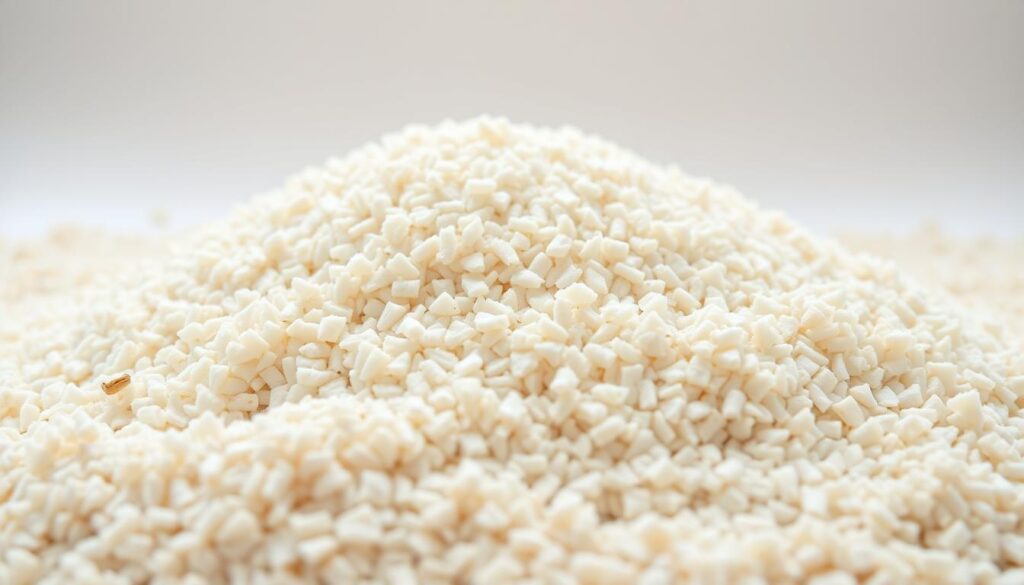
Low dust cat litters are becoming increasingly popular among cat owners who want to keep their homes clean and their cats healthy. Dust from traditional cat litters can cause respiratory issues and make a mess, but low dust alternatives offer a cleaner, healthier solution.
Dust-Free Formulations
Dust-free cat litters are designed to minimize the amount of dust that becomes airborne when your cat uses the litter box. These formulations are particularly beneficial for cats and owners with respiratory sensitivities.
Health Benefits of Low-Dust Options
Using low dust cat litter can significantly reduce the risk of respiratory problems and allergies. It’s also easier on your cat’s paws and can reduce the amount of dust tracked around the house.
Top Low-Dust Brands
Some of the top brands offering low dust cat litters include:
-
- Boxiecat Air: Known for its virtually dust-free formula, Boxiecat Air is a popular choice among cat owners looking to minimize dust.
Boxiecat Air
Boxiecat Air’s unique formulation ensures that it is gentle on cats’ paws and reduces airborne dust, making it a healthier option for your family.
-
- Ökocat Super Soft: Ökocat Super Soft is made from natural, non-toxic materials and is designed to be soft on paws while being hard on odors.
Ökocat Super Soft
Ökocat Super Soft is a great choice for cat owners looking for an eco-friendly, low dust option that doesn’t compromise on performance.
Switching to a low dust cat litter can make a significant difference in the cleanliness of your home and the health of your cat. Consider trying one of these top brands to experience the benefits for yourself.
Solutions for Multiple Cat Households
Multiple cat households require special consideration when it comes to choosing the best litter. With more cats using the litter box, the demands on the litter increase, requiring a product that can handle the extra usage.
High-Capacity Litter Options
For households with multiple cats, high-capacity litter is essential. These litters are designed to handle more waste and reduce the frequency of litter box cleaning. Look for litters with high absorption rates and clumping abilities to keep the litter box dry and odor-free.
Dr. Elsey’s Precious Cat Ultra is a popular choice among multi-cat households due to its 99.9% dust-free formula and superior clumping ability.
Odor Control for Multiple Cats
Odor control is critical in multi-cat households. Litters with activated carbon or baking soda can help neutralize odors. Some litters also incorporate natural odor-fighting ingredients like essential oils.
Arm & Hammer Clump & Seal is known for its odor-controlling capabilities, using baking soda to absorb smells and seal in odor-causing moisture.
Litter Box Placement Strategies
Proper litter box placement is vital in multi-cat households. The general rule is to have one litter box per cat, plus one extra. This is known as the one-plus-one rule.
The One-Plus-One Rule
Following the one-plus-one rule helps reduce competition and stress among cats. For example, if you have two cats, you should have three litter boxes.
Territory Management
In addition to having multiple litter boxes, consider the layout of your home. Place litter boxes in quiet, low-traffic areas where your cats feel safe and comfortable.
By implementing these strategies, you can create a more harmonious and clean environment for both you and your cats.
How to Transition Your Cat to a New Litter
Switching to a new cat litter requires patience and a well-planned strategy to ensure your cat adapts comfortably. A sudden change can lead to discomfort or avoidance of the litter box, so it’s crucial to introduce the new litter gradually.
Step1: Gradual Mixing Method
Begin by mixing a small amount of the new litter with the old litter. Start with a ratio of about 25% new litter to 75% old litter. Gradually increase the proportion of new litter over the next 7-10 days until you’ve completely switched to the new litter.
Step2: Monitoring Acceptance
Observe your cat’s behavior and reactions to the new litter. If you notice any signs of distress or avoidance, slow down the transition process. Encourage your cat to use the litter box by placing them in it after meals or playtime.
Step3: Addressing Resistance
If your cat resists the new litter, try to identify the cause. It could be the texture, smell, or something else. You may need to slow down the transition or consider a different type of litter.
Troubleshooting Common Issues
Some common issues during litter transition include:
- Accidents outside the litter box
- Refusal to use the litter box
- Vocal complaints or stress signs
Address these issues by adjusting the transition pace or consulting with a veterinarian for advice tailored to your cat’s needs.
| Transition Issue | Possible Cause | Solution |
|---|---|---|
| Litter Box Avoidance | Texture or Smell | Slow Down Transition or Change Litter Type |
| Accidents Outside Box | Stress or Medical Issue | Consult Veterinarian |
Transitioning to a new litter can be a straightforward process if done correctly. By following these steps and being attentive to your cat’s needs, you can ensure a smooth transition.
Maintaining a Clean Home with Cats
Maintaining a clean home with cats requires diligence and the right strategies. To keep your home clean and odor-free, it’s essential to establish a routine that includes daily litter box maintenance, weekly deep cleaning, and the use of effective tools and products for litter control.
Daily Litter Box Maintenance Routine
Daily maintenance is crucial. Scoop out solid waste daily to prevent the buildup of bacteria and odor. Use a litter scoop with a fine mesh to catch both clumps and dust. Make sure to refill litter as needed to maintain the recommended depth.
Weekly Deep Cleaning Steps
Once a week, perform a deep clean of the litter box. Empty the litter completely and wash the box with mild detergent. Rinse thoroughly to remove any residue. Let it dry before refilling with fresh litter.
Tools and Products for Litter Control
Several tools can aid in maintaining a clean home. Consider using:
- Litter mats to catch stray litter and reduce tracking.
- Odor neutralizers to keep your home smelling fresh.
Litter Mats and Tracking Solutions
Litter mats are placed outside the litter box to catch litter that cats track out. They’re easy to clean and can significantly reduce litter spread.
Odor Neutralizers for the Home
Odor neutralizers come in various forms, including sprays, plugins, and granules. Choose products that are safe for your cats and effective at eliminating odors.
Conclusion: Finding Your Perfect Cat Litter Match
Choosing the best litter for cats can significantly impact your home’s cleanliness and your cat’s happiness. With various options available, from clumping and non-clumping to eco-friendly and low-dust varieties, it’s essential to consider your cat’s specific needs and preferences.
By reviewing top cat litter reviews and understanding the different types, such as clay-based, silica gel, and natural options, you can make an informed decision. Brands like Dr. Elsey’s Precious Cat Ultra and World’s Best Cat Litter offer high-quality products that cater to different needs, including odor control and sensitivity.
Ultimately, finding the best litter for your cat involves balancing your cat’s comfort with your maintenance preferences. By selecting the right litter, you can maintain a clean home and ensure your cat’s health and happiness.