Can Dogs Eat Asparagus? Safe Feeding Guide

As a dog owner, you’re probably aware that your furry friend loves to share your meals. But have you ever wondered if it’s safe for them to eat human food, especially something like asparagus?
Many human foods are toxic to dogs, making it crucial to understand what’s safe for consumption. Asparagus is a popular vegetable in many households, and you might be curious if it’s okay to share with your dog. The good news is that asparagus is generally considered safe for dogs to eat in moderation.
However, it’s essential to follow a safe feeding guide to avoid any potential health issues. This guide will walk you through the dos and don’ts of feeding asparagus to your dog, ensuring you can share this healthy snack safely.
Table of Contents
The Relationship Between Dogs and Human Foods
Many dog owners often find themselves wondering if it’s safe to share their human food with their canine companions. This curiosity stems from the close bond between dogs and their owners, which sometimes leads to sharing meals. However, it’s crucial to understand the implications of this practice.
As you consider sharing your food with your dog, it’s natural to have questions about what’s safe and what’s not. This concern is rooted in the desire to provide the best care for your pet.
Why Dog Owners Question Food Safety
Dog owners question food safety for various reasons. Primarily, it’s because they want to ensure their pets are not harmed by human foods. Some human foods are toxic to dogs, and the consequences can be severe. Understanding what is safe and what isn’t is crucial to making informed decisions.
The increasing trend of treating dogs as part of the family also plays a role. As dogs become more integrated into family life, owners are more likely to share their meals, necessitating a deeper understanding of canine dietary needs and restrictions.
The Importance of Researching Before Feeding
Before feeding your dog human food, it’s essential to research its safety. Not all human foods are created equal when it comes to canine consumption. Some foods can cause mild stomach upset, while others can lead to life-threatening conditions.
By researching, you can make informed decisions that protect your dog’s health. This involves understanding the nutritional content of the food, potential allergens, and toxic substances. Knowledge is key to safely incorporating human foods into your dog’s diet.
Can Dogs Eat Asparagus? The Simple Answer
Asparagus is a healthy addition to many human meals, but its suitability for dogs requires careful consideration. While asparagus is not toxic to dogs, its consumption should be approached with caution.
Yes, But With Important Caveats
Dogs can eat asparagus, but it’s crucial to do so in moderation. Asparagus is not a necessary component of a canine diet, and its introduction should be gradual to prevent digestive upset. Monitoring your dog’s reaction to asparagus is key to avoiding any adverse effects.
It’s also important to consider the preparation method, as this can significantly impact the safety and digestibility of asparagus for dogs.
Raw vs. Cooked Asparagus for Dogs
The decision to feed your dog raw or cooked asparagus depends on several factors, including your dog’s digestive health and personal preference. Cooked asparagus is generally easier for dogs to digest than raw asparagus, as cooking breaks down some of the tougher fibers.
However, overcooking can lead to a loss of nutrients. If you choose to feed your dog raw asparagus, ensure it’s fresh and cut into manageable pieces to reduce the risk of choking.
Nutritional Profile of Asparagus
When considering adding asparagus to your dog’s meals, it’s essential to understand its nutritional profile. Asparagus is a nutrient-rich vegetable that provides several vitamins, minerals, and other beneficial compounds.
Key Vitamins and Minerals
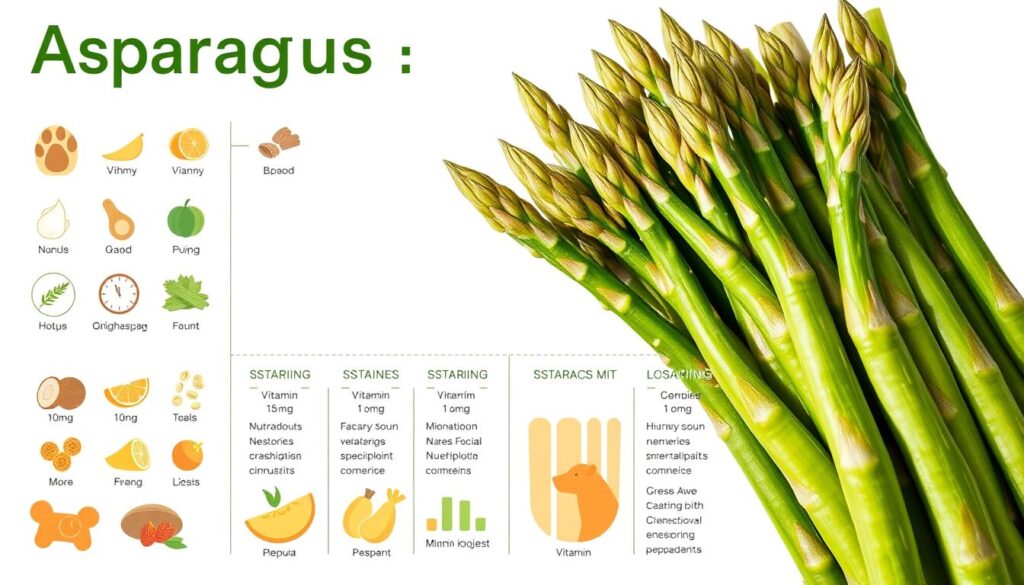
Asparagus is an excellent source of vitamins A, C, and K, as well as folate and potassium. These vitamins and minerals play crucial roles in maintaining your dog’s overall health, from supporting immune function to promoting healthy blood clotting.
- Vitamin A: Important for vision, immune function, and skin health
- Vitamin C: Acts as an antioxidant, supporting overall health
- Vitamin K: Essential for blood clotting and bone health
Fiber Content and Digestibility
Asparagus contains both soluble and insoluble fiber, which can aid in digestion and support healthy gut bacteria. However, its fiber content can also be a consideration for dogs with sensitive stomachs.
| Nutrient | Amount per 100g | Benefit |
|---|---|---|
| Dietary Fiber | 2.1g | Supports healthy digestion |
| Soluble Fiber | 0.5g | Aids in nutrient absorption |
Caloric Content and Macronutrients
Asparagus is low in calories and rich in nutrients, making it a nutritious addition to your dog’s diet. It is primarily composed of water and carbohydrates, with minimal protein and fat.
“Asparagus is a low-calorie, nutrient-dense food that can be a healthy addition to a dog’s diet when prepared correctly.”
The caloric content of asparagus is approximately 20 calories per 100g serving, making it an ideal snack for dogs on a calorie-restricted diet.
Health Benefits of Asparagus for Dogs
Incorporating asparagus into your dog’s diet can provide numerous health advantages due to its rich nutritional profile. Asparagus is packed with vitamins, minerals, and antioxidants that can contribute to your dog’s overall well-being.
Antioxidant Properties
Asparagus is rich in antioxidants, which play a crucial role in protecting your dog’s cells from damage caused by free radicals. Antioxidants help in reducing oxidative stress, which can lead to chronic diseases. The presence of vitamins A, C, and E in asparagus makes it an excellent source of antioxidants for dogs.
Digestive Health Advantages
The fiber content in asparagus can significantly benefit your dog’s digestive health. A healthy digestive system is essential for the proper absorption of nutrients. Asparagus can help in maintaining regular bowel movements and preventing constipation in dogs.
Potential Anti-inflammatory Effects
Asparagus contains compounds that may have anti-inflammatory properties, which can be beneficial for dogs suffering from inflammatory conditions. Reducing inflammation can help in managing symptoms associated with various health issues, improving your dog’s quality of life.
Overall, asparagus can be a nutritious and healthy addition to your dog’s diet when served appropriately. Its antioxidant properties, digestive health advantages, and potential anti-inflammatory effects make it a valuable vegetable for canine health.
Potential Risks and Concerns
Feeding your dog asparagus can come with several potential risks and concerns. While it’s generally considered safe, being aware of these risks can help you take steps to mitigate them and ensure your dog’s safety.
Choking Hazards
One of the primary risks associated with feeding asparagus to dogs is the choking hazard, particularly for small dogs or if the asparagus is not cut into appropriate sizes. To minimize this risk, always cut asparagus into small, manageable pieces before serving it to your dog.
Digestive Upset Possibilities
Asparagus can cause digestive upset in some dogs, leading to symptoms like gas, diarrhea, or vomiting. If your dog experiences any of these symptoms after consuming asparagus, it’s best to consult with your veterinarian to determine the best course of action.
Asparagus Fern Dangers
While the asparagus spear itself is generally safe, the asparagus fern is toxic to dogs. Keep asparagus ferns out of reach of your pets to avoid any potential harm. If you grow asparagus in your garden, be sure to dispose of the ferns properly.
Allergic Reactions to Watch For
Some dogs may be allergic to asparagus, so it’s crucial to monitor your dog’s behavior and health after introducing it into their diet. Signs of an allergic reaction can include itching, scratching, or digestive issues. If you suspect an allergy, consult with your veterinarian for advice.
By being aware of these potential risks and taking steps to mitigate them, you can safely include asparagus in your dog’s diet. Always prioritize your dog’s health and safety when introducing new foods.
How to Properly Prepare Asparagus for Your Dog
The way you prepare asparagus for your dog can significantly impact its safety and nutritional value. Asparagus can be a healthy addition to your dog’s diet when done correctly.
Washing and Cleaning Techniques
Before serving asparagus to your dog, it’s crucial to wash it thoroughly. Rinse the asparagus under running water to remove any dirt, pesticides, or other contaminants. You can also use a vegetable brush to gently scrub the spears, especially if they’re particularly dirty. After washing, pat the asparagus dry with a clean towel or paper towels to remove excess moisture.
Cooking Methods That Preserve Nutrients
Cooking asparagus can make it more digestible for dogs. Steaming is an excellent method as it helps retain most of the nutrients. Simply place the asparagus in a steamer basket over boiling water, cover, and steam for 5-7 minutes until tender. Boiling is another option, but it may result in a loss of water-soluble vitamins. If you choose to boil, use minimal water and cook for a shorter duration.
Tip: Avoid adding any seasonings or oils when cooking asparagus for your dog, as these can cause stomach upset.
Cutting and Serving Suggestions
Once cooked, chop the asparagus into small, manageable pieces to prevent choking hazards. The size of the pieces will depend on your dog’s size and chewing habits. For smaller dogs, finely chop or puree the asparagus to ensure it’s safe. You can mix the prepared asparagus with your dog’s regular food or serve it as a standalone treat.
Remember: Always introduce new foods gradually to prevent digestive upset. Start with a small amount and monitor your dog’s reaction before increasing the serving size.
Recommended Serving Sizes and Frequency
When introducing asparagus into your dog’s diet, it’s crucial to understand the appropriate serving sizes to ensure a safe and healthy experience. Asparagus can be a nutritious addition, but like any new food, it must be introduced carefully.
Portion Guidelines Based on Dog Size
The size of your dog plays a significant role in determining the appropriate serving size of asparagus. Here’s a general guideline to follow:
| Dog Size | Weight Range | Asparagus Serving Size |
|---|---|---|
| Small | Under 20 lbs | 1-2 spears |
| Medium | 21-50 lbs | 2-4 spears |
| Large | 51-90 lbs | 4-6 spears |
| Extra Large | Over 90 lbs | 6-8 spears |
These serving sizes are guidelines and can vary based on your dog’s individual needs and health status. Always consult with your veterinarian before making significant changes to your dog’s diet.
How Often to Include Asparagus in Your Dog’s Diet
In addition to serving size, the frequency of feeding asparagus to your dog is also important. Asparagus should be considered a treat or a supplement, not a replacement for regular meals. For most dogs, asparagus can be included in their diet 1-2 times a week.
Key considerations: Monitor your dog’s reaction to asparagus, and adjust the serving size and frequency accordingly. If you notice any signs of digestive upset or allergic reactions, discontinue feeding asparagus and consult your veterinarian.
By following these guidelines, you can safely incorporate asparagus into your dog’s diet, providing a nutritious and varied meal plan.
Signs Your Dog May Not Tolerate Asparagus Well
Dogs can eat asparagus, but it’s essential to watch for signs that they might not be tolerating it well. While asparagus is generally considered safe for canine consumption, individual reactions can vary.
Digestive Symptoms to Monitor
When introducing asparagus into your dog’s diet, it’s crucial to monitor their digestive health. Watch for symptoms such as vomiting, diarrhea, or gas, which could indicate that your dog is not tolerating asparagus well. If your dog experiences any of these symptoms, it’s advisable to adjust their diet accordingly.
Additionally, keep an eye out for signs of abdominal pain or discomfort, such as whining, lethargy, or loss of appetite. These could be indicators that asparagus is not agreeing with your dog.
When to Contact Your Veterinarian
If you notice any adverse reactions in your dog after feeding them asparagus, it’s essential to know when to seek professional help. If your dog’s symptoms persist or worsen, or if you’re unsure about their condition, consult your veterinarian for advice.
In cases where your dog experiences severe symptoms like bloating, severe vomiting, or diarrhea, seek immediate veterinary care. Your veterinarian can provide guidance on whether asparagus is the cause of the issue and recommend the best course of action for your dog’s health.
Alternative Vegetables Safe for Dogs
Asparagus isn’t the only vegetable that’s safe for dogs; let’s explore other healthy options. If you’re looking to diversify your dog’s diet, there are several vegetables you can consider. It’s essential to introduce new foods gradually to prevent digestive upset.

Green Vegetables Similar to Asparagus
If your dog enjoys asparagus, they might also like other green vegetables. Green beans are a popular choice and can be served steamed or raw. Brussels sprouts are another option, rich in vitamins and antioxidants, but be sure to cook them to make them easier to digest.
Other Nutritious Vegetable Options
Beyond green vegetables, there are many other nutritious options for your dog. Carrots are a crunchy snack that’s good for their teeth, while sweet potatoes are rich in fiber and vitamins. Pumpkin is another great choice, helping to support digestive health.
Vegetables to Absolutely Avoid
While many vegetables are safe, some can be toxic to dogs. Onions and garlic belong to the Allium family and can cause anemia. Mushrooms can be particularly dangerous, as some varieties are toxic. Always research a vegetable before introducing it to your dog’s diet.
By incorporating a variety of safe vegetables, you can help ensure your dog is getting a balanced and nutritious diet. Always consult with your veterinarian before making significant changes to their diet.
Conclusion: Incorporating Asparagus Safely Into Your Dog’s Diet
As a dog owner, it’s natural to wonder can dogs eat asparagus and how to include it in their diet safely. By following the safe feeding guide outlined in this article, you can provide your dog with the nutritional benefits of asparagus while minimizing potential risks.
To recap, asparagus can be a healthy addition to your dog’s meals when prepared correctly. Ensure it’s washed, cooked appropriately, and cut into manageable pieces to prevent choking hazards. Be mindful of your dog’s individual tolerance and watch for signs of digestive upset or allergic reactions.
By being informed and cautious, you can safely introduce asparagus into your dog’s diet, providing them with a nutritious and varied meal plan. Always consult with your veterinarian if you have concerns about your dog’s diet or if you notice any adverse reactions to new foods.