Can Dogs Eat Cashews? Safe Serving Guide

As a dog owner, you’re probably often wondering what human foods are safe for your furry friend to enjoy. One common question is whether cashews are a safe snack for dogs. While it might be tempting to share your cashew stash, it’s crucial to understand the implications of doing so.
The key to safely introducing cashews into your dog’s diet lies in understanding the potential risks and taking steps to mitigate them. This guide will walk you through the considerations for feeding cashews to your dog and provide a safe serving guide to ensure your pet’s health and happiness.
Table of Contents
The Relationship Between Dogs and Human Foods
Human food can be both a treat and a potential hazard for dogs, making it essential for dog owners to navigate this complex relationship wisely. Dogs often find human food irresistible, and understanding why can help owners make informed decisions about sharing their meals.
Why Dogs Are Attracted to Our Food
Dogs are drawn to human food primarily due to their sense of smell and taste. The aroma and flavor of our meals can be very appealing to them. Additionally, dogs are social animals and often want to participate in family activities, including mealtime.
General Guidelines for Sharing Food with Your Dog
When considering sharing human food with your dog, it’s crucial to follow some basic guidelines. First, ensure that the food is safe for canine consumption. Some human foods are toxic to dogs, so it’s vital to identify these foods and avoid them entirely.
Foods to Always Avoid
Certain foods are dangerous for dogs and should be kept out of reach. These include chocolate, grapes, raisins, onions, garlic, and foods containing xylitol. Feeding these foods to your dog can lead to serious health issues.
Approaching New Foods Safely
When introducing new foods to your dog’s diet, do so gradually and in small amounts to monitor for any adverse reactions. It’s also a good idea to consult with your veterinarian before making any significant changes to your dog’s diet.
| Food | Safety for Dogs | Precautions |
|---|---|---|
| Chocolate | Dangerous | Avoid entirely |
| Grapes/Raisins | Toxic | Keep out of reach |
| Onions/Garlic | Harmful | Do not feed |
By being mindful of what you share with your dog and following these guidelines, you can help ensure their health and safety while still enjoying mealtime together.
Can Dogs Eat Cashews? The Complete Answer
As a dog owner, you’re likely wondering if cashews are a safe treat for your furry friend. The answer involves understanding the safety of cashews compared to other nuts, the differences between raw and roasted cashews, and what veterinarians recommend.
Safety of Cashews Compared to Other Nuts
Cashews are generally considered safer for dogs than some other nuts, but it’s crucial to understand the differences. Unlike macadamia nuts, which are toxic to dogs, cashews are not inherently toxic. However, they can still pose risks due to their high fat content.
Here’s a comparison of cashews with other common nuts:
| Nut Type | Toxicity to Dogs | Fat Content |
|---|---|---|
| Cashews | Non-toxic | High |
| Macadamia Nuts | Toxic | High |
| Almonds | Non-toxic | Medium |
Difference Between Raw and Roasted Cashews for Dogs
The difference between raw and roasted cashews can impact their safety for dogs. Raw cashews contain a compound called urushiol, which can cause gastrointestinal upset if consumed in large quantities. Roasted cashews have been processed to remove some of these compounds, potentially making them safer in moderation.
Veterinary Perspective on Cashews for Dogs
Veterinarians generally advise caution when feeding cashews to dogs. While not toxic, cashews can cause gastrointestinal upset due to their high fat content. It’s recommended to limit the amount and monitor your dog’s reaction.
Nutritional Profile of Cashews
As a nutrient-rich snack, cashews offer a mix of calories, fats, vitamins, and minerals that can affect dogs differently than humans. Understanding the nutritional profile of cashews is essential for dog owners to make informed decisions about incorporating them into their pet’s diet.
Calories and Fat Content
Cashews are high in calories and fat, with a single ounce (28g) containing approximately 157 calories and 12g of fat. While these nutrients are crucial for humans, they can be detrimental to dogs if consumed excessively.
Vitamins and Minerals in Cashews
Cashews are a good source of vitamins and minerals such as magnesium, copper, and zinc. These nutrients can provide health benefits for dogs, but it’s crucial to consider the appropriate serving sizes.
Protein and Fiber Content
Cashews contain protein and fiber, which can be beneficial for dogs in moderation. However, they should not replace a dog’s regular, balanced diet.
How These Nutrients Affect Dogs Differently Than Humans
The high fat content in cashews can lead to pancreatitis in dogs, a painful condition that requires immediate veterinary attention. On the other hand, the magnesium in cashews can help support a dog’s heart health. It’s essential to weigh these factors when deciding to feed cashews to your dog.
Potential Benefits of Cashews for Dogs
In moderation, cashews can be a healthy addition to a dog’s diet, offering benefits such as improved heart health and coat condition. While they shouldn’t replace a dog’s regular, balanced diet, cashews can serve as an occasional treat with nutritional value.
Heart Health Considerations
Cashews contain monounsaturated and polyunsaturated fats, which can contribute to heart health in dogs by potentially lowering bad cholesterol levels. However, it’s essential to remember that dogs have different nutritional needs than humans, and their diets should be managed accordingly.
Coat and Skin Benefits
The vitamins and minerals in cashews, such as vitamin E and magnesium, can help improve a dog’s coat and skin health. A healthy coat is not just aesthetically pleasing; it can also be an indicator of overall health.
Energy and Protein Source
Cashews are a good source of protein and healthy fats, making them a potentially useful energy boost for active dogs. However, it’s crucial to ensure that cashews are not overfed, as this can lead to weight gain.
When Cashews Might Be Beneficial as a Treat
Cashews can be particularly beneficial as a treat for dogs that are underweight or need an energy boost. They can also be used as a reward during training sessions, provided they’re given in small amounts and the dog is not allergic to them.
Risks and Concerns of Feeding Cashews to Dogs
While cashews can be a nutritious snack for humans, there are several risks associated with feeding them to dogs that pet owners should be aware of. Understanding these risks is crucial to ensuring the health and safety of your canine companion.
High Fat Content and Pancreatitis Risk
Cashews are high in fat, which can be problematic for dogs. Consuming high-fat foods can lead to pancreatitis, a painful and potentially life-threatening condition. Symptoms of pancreatitis include vomiting, diarrhea, and abdominal pain. If your dog exhibits these symptoms after consuming cashews, it’s crucial to seek veterinary care immediately.
Salt and Seasoning Dangers
Many cashews are seasoned with salt or other spices that can be harmful to dogs. Excessive salt consumption can lead to sodium ion poisoning, causing symptoms like vomiting, diarrhea, and in severe cases, seizures and death. It’s essential to only consider plain, unsalted cashews if you decide to feed them to your dog.
Choking Hazards
Cashews can also pose a choking hazard, especially for small dogs or those that gulp their food. To mitigate this risk, cashews should be chopped or ground into smaller pieces before being given to dogs.
Allergic Reactions
Some dogs may be allergic to cashews, just as they can be to other nuts or foods. Signs of an allergic reaction include itching, swelling, and digestive issues. If you suspect your dog is allergic to cashews, consult with your veterinarian for advice.
Dogs with Special Health Conditions
Dogs with pre-existing health conditions, such as pancreatitis or allergies, should avoid cashews altogether. The high fat content and potential allergens in cashews can exacerbate these conditions.
Weight Management Concerns
Cashews are also high in calories, which can contribute to weight gain if consumed in excess. For dogs on a weight management plan, cashews should be avoided or given in very limited quantities.
In conclusion, while cashews are not toxic to dogs, they pose several risks that pet owners need to consider. By understanding these risks and taking appropriate precautions, you can help keep your dog safe and healthy.
Safe Serving Sizes of Cashews for Dogs
The serving size of cashews for dogs varies significantly based on the dog’s size and breed. While cashews can be a nutritious treat, overfeeding can lead to health issues. It’s crucial to understand the appropriate serving sizes to keep your dog healthy and safe.
Small Breed Guidelines (Under 20 lbs)
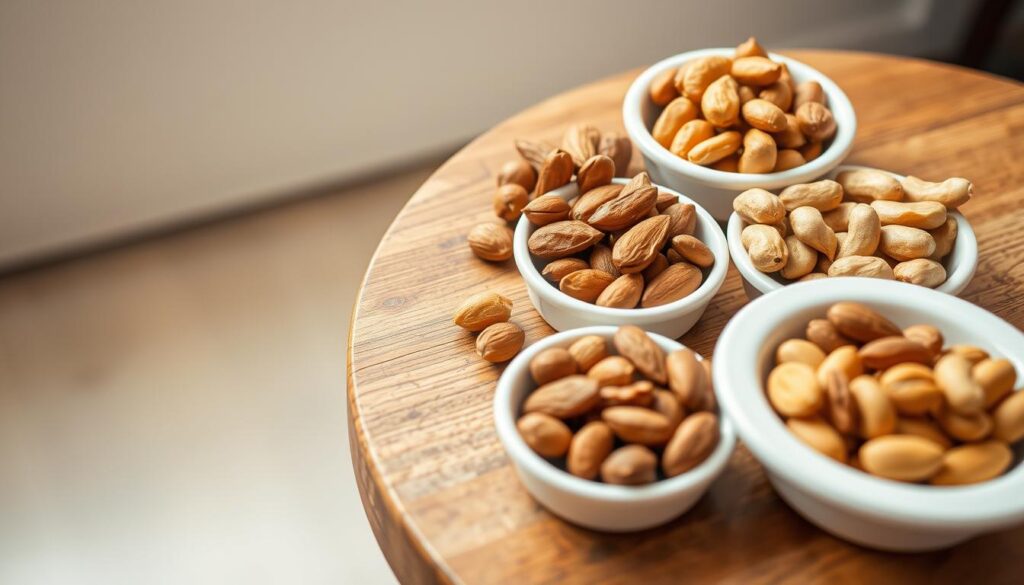
For small breeds, a few cashews (about 1-2 nuts) can be a sufficient treat due to their high fat content. Overfeeding can easily occur, so moderation is key.
Medium Breed Guidelines (20-50 lbs)
Medium-sized dogs can handle slightly more cashews. A serving size of about 2-4 cashews is appropriate. However, it’s essential to consider the individual dog’s activity level and dietary needs.
Large Breed Guidelines (Over 50 lbs)
Large breeds can tolerate more cashews, but it’s still important to keep servings moderate. A serving size of 4-6 cashews is generally safe. Always monitor your dog’s reaction to new foods.
Frequency Recommendations
Cashews should be treated as an occasional snack rather than a regular part of your dog’s diet. Limiting cashew treats to once or twice a week is a good rule of thumb.
First-Time Introduction Strategy
When introducing cashews to your dog for the first time, start with a small piece to check for any signs of allergy or intolerance. Monitor your dog closely for any adverse reactions.
| Dog Size | Serving Size | Frequency |
|---|---|---|
| Small (Under 20 lbs) | 1-2 cashews | Once a week |
| Medium (20-50 lbs) | 2-4 cashews | Once or twice a week |
| Large (Over 50 lbs) | 4-6 cashews | Twice a week |
As with any treat, cashews should complement your dog’s regular, balanced diet. Always consult with your veterinarian for personalized dietary advice.
“Treats should not make up more than 10% of your dog’s daily calorie intake. Cashews, being high in fat, should be given sparingly.”
How to Safely Prepare Cashews for Your Dog
The safe preparation of cashews for canine consumption involves several important steps. To ensure that cashews are a healthy and safe snack for your dog, you must carefully select, prepare, and serve them.
Selecting the Right Cashews
When choosing cashews for your dog, it’s crucial to select raw or roasted cashews that are free from added salts and seasonings. Unsalted and unsweetened cashews are the best option to avoid potential health risks associated with excessive salt or sugar intake.
Removing Salt and Seasonings
If the cashews you’ve chosen are salted or seasoned, it’s essential to remove as much of the salt and seasoning as possible. Rinsing the cashews under water can help reduce the salt content, although this method may not remove all seasonings.
Proper Size and Texture
Cashews can be a choking hazard if not prepared correctly. To mitigate this risk, consider the size and texture of the cashews you’re serving to your dog.
Crushing vs. Whole Cashews
Crushing cashews can make them easier to digest and reduce the choking hazard. However, whole cashews can be given if they are properly supervised.
Incorporating into Homemade Dog Treats
Cashews can be a nutritious addition to homemade dog treats. When incorporating cashews into your dog’s treats, ensure they are well mixed and the treat is appropriately sized for your dog.
- Always check with your vet before making any changes to your dog’s diet.
- Use cashews in moderation due to their high fat content.
- Monitor your dog for any signs of allergy or intolerance to cashews.
Signs Your Dog May Not Tolerate Cashews Well
Cashews, though nutritious, can cause issues in dogs if not tolerated well, so it’s essential to know the warning signs. While they can be a healthy snack in moderation, some dogs may react adversely to cashews.
Immediate Reaction Symptoms
If your dog consumes cashews and exhibits any of the following symptoms, it may indicate an immediate reaction:
- Itching or scratching: This could be a sign of an allergic reaction.
- Swelling: Particularly around the face, lips, or tongue.
- Vomiting: If your dog vomits soon after eating cashews.
- Diarrhea: Loose stools or diarrhea can occur if your dog’s digestive system reacts negatively.
Delayed Digestive Upset Signs
Some dogs may not show immediate symptoms but can still experience digestive upset later on. Watch for:
- Abdominal pain: Whining or restlessness could indicate discomfort.
- Loss of appetite: If your dog becomes less interested in food.
- Lethargy: Unusual tiredness or lack of energy.
Allergic Reaction Warning Signs
Allergic reactions can be severe. Look out for:
- Difficulty breathing: This is a serious symptom that requires immediate attention.
- Hives or rashes: Skin reactions can be a sign of an allergy.
When to Contact Your Veterinarian
If you observe any of the above symptoms, it’s crucial to know when to seek veterinary help.
Emergency vs. Non-Emergency Situations
Emergency situations include difficulty breathing, severe vomiting, or signs of pancreatitis like severe abdominal pain. For these, immediate veterinary attention is necessary.
Non-emergency situations might involve mild digestive upset or itching. For these, you should still contact your veterinarian for advice on how to proceed.
Healthier Alternatives to Cashews for Dogs
For dog owners seeking healthier snack options, there are numerous alternatives to cashews that are both safe and nutritious for their pets. While cashews can be an occasional treat, exploring other options can provide a more balanced and healthy diet for dogs.
Dog-Safe Fruits and Vegetables
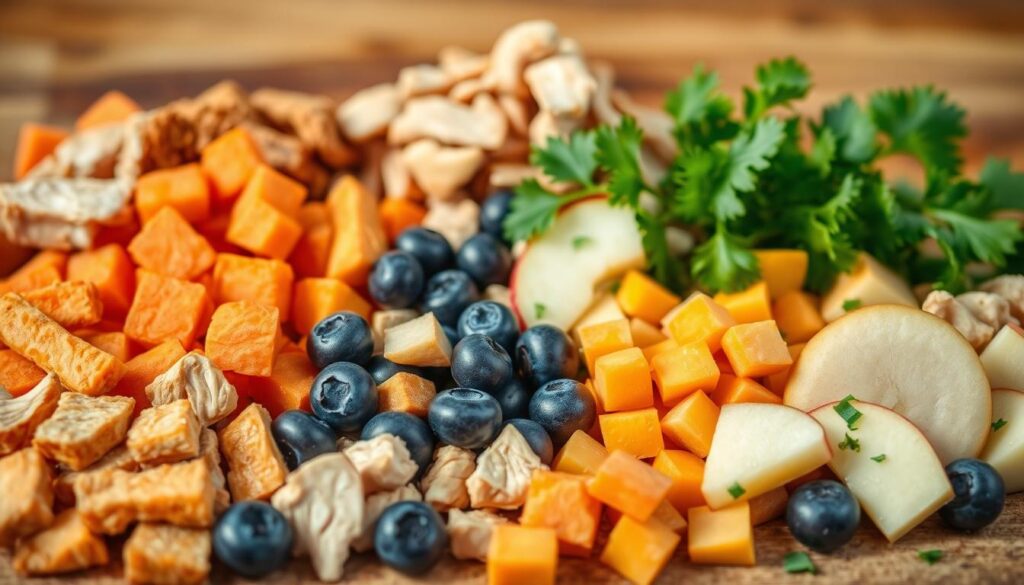
Fruits and vegetables can make excellent treats for dogs, offering essential vitamins, minerals, and fiber. Some dog-safe options include:
- Carrots: Great for dental health and rich in vitamins.
- Green Beans: Low in calories and high in fiber.
- Apples: Rich in vitamins A and C, but be sure to remove seeds and cores.
- Blueberries: Packed with antioxidants and fiber.
Commercial Dog Treats with Similar Benefits
Many commercial dog treats are designed to offer nutritional benefits similar to cashews but with fewer risks. When selecting commercial treats, look for products that are:
- Made with natural ingredients.
- Low in added salts and sugars.
- Formulated for your dog’s life stage and size.
Some brands offer treats that are specifically designed to support heart health or provide a crunchy texture that dogs enjoy.
Other Safe Nuts for Dogs
While cashews are not toxic to dogs, other nuts can be safer or more beneficial. For example:
- Peanuts: Generally safe in moderation, but beware of peanut butter with xylitol.
Comparing Nutritional Profiles of Alternatives
When comparing the nutritional profiles of these alternatives, consider factors like calorie count, fat content, and nutrient density. For instance, carrots are much lower in calories and fat compared to cashews, making them a great snack for dogs on a diet.
Treats for Dogs with Specific Dietary Needs
Dogs with specific dietary needs, such as those with food allergies or sensitivities, require careful treat selection. Look for hypoallergenic or limited-ingredient treats that avoid common allergens like beef, dairy, or soy.
By choosing the right alternatives to cashews, you can provide your dog with a varied and nutritious diet that meets their needs and keeps them healthy.
Conclusion: Making Informed Decisions About Cashews and Your Dog
As a dog owner, it’s essential to make informed decisions about what human foods to share with your pet. When it comes to cashews, you’ve learned about their nutritional profile, potential benefits, and risks. You can now weigh these factors based on your dog’s individual needs and health status.
Feeding cashews to your dog can be a safe and healthy treat if done correctly. Consider your dog’s size, age, and health conditions before offering cashews. Always choose unsalted and unsweetened cashews, and be mindful of the serving size.
By understanding the pros and cons of feeding cashews to your dog, you can make informed decisions that prioritize their health and well-being. If you’re still unsure, consult with your veterinarian to determine the best approach for your furry friend. Making informed decisions about your dog’s diet is crucial to ensuring they lead a happy and healthy life.