Can Dogs Eat Corn? Benefits, Risks & Tips

As a dog owner, you’re probably curious about what human foods are safe for your pet to consume. One common question is whether dogs can safely eat corn. The answer is a bit complex, as it depends on several factors, including the dog’s size, health, and the preparation of the corn.
Corn is a popular ingredient in many dog foods, but that doesn’t necessarily mean it’s always safe or healthy for your dog to eat it. While some dogs can tolerate corn without issues, others may experience adverse reactions. In this article, we’ll explore the benefits and risks of feeding corn to your dog and provide tips on how to do it safely.
Table of Contents
The Relationship Between Dogs and Corn
As a dog owner, understanding the role of corn in your pet’s diet can be crucial for their overall well-being. Corn is widely used in dog food, and its impact on canine health is a topic of interest among pet owners. The relationship between dogs and corn is complex, involving both the nutritional benefits and potential drawbacks of corn consumption.
Corn as a Common Ingredient in Dog Food
Corn is a common ingredient in many commercial dog foods due to its availability and cost-effectiveness. It serves as a source of carbohydrates, providing energy for dogs. However, the quality of corn used in dog food can vary significantly depending on the manufacturer and the specific product.
Some dog foods use corn as a filler, while others incorporate it as a nutritious ingredient, often in conjunction with other grains or as part of a balanced recipe. The use of corn in dog food is also influenced by its ability to be easily digestible when properly processed.
Dogs’ Digestive System and Plant Matter
Dogs are omnivores, meaning their digestive system is capable of processing both animal and plant-based ingredients. While dogs have a shorter digestive tract compared to herbivores, they can still derive nutrients from plant matter, including corn. However, the digestibility of corn can vary depending on the dog’s individual digestive health and the form in which corn is consumed.
Properly cooked or processed corn can be a nutritious addition to a dog’s diet, providing essential nutrients. Nonetheless, it’s crucial for dog owners to be aware of their pet’s tolerance to corn and monitor for any adverse reactions.
Nutritional Profile of Corn for Dogs
Corn is more than just a filler ingredient; it contains various nutrients that can benefit dogs. As a common ingredient in many dog foods, understanding its nutritional value is essential for dog owners.
Carbohydrates and Energy
Corn is a rich source of carbohydrates, which are vital for providing energy to dogs. Carbohydrates in corn help support the daily activities and metabolic needs of dogs. The energy derived from corn can be particularly beneficial for active dogs or those with high energy requirements.
Vitamins and Minerals in Corn
Corn is not just a source of carbohydrates; it also contains various vitamins and minerals. These include thiamine (Vitamin B1), which is crucial for metabolic processes, and folate, which supports overall health. Additionally, corn contains minerals like phosphorus and magnesium, which are important for bone health and other bodily functions.
Fiber Content and Digestibility
The fiber content in corn can aid in digestion, helping to maintain a healthy gastrointestinal tract in dogs. However, the digestibility of corn can vary among individual dogs. Some dogs may digest corn more efficiently than others, making it essential for dog owners to monitor their dog’s response to corn in their diet.
Key nutritional benefits of corn for dogs include:
- Rich in carbohydrates for energy
- Contains essential vitamins like thiamine and folate
- Provides important minerals such as phosphorus and magnesium
- Aids in digestion with its fiber content
By understanding these nutritional aspects, dog owners can make informed decisions about including corn in their dog’s diet.
Can Dogs Eat Corn Safely?
As a dog owner, you’re likely wondering if it’s safe to include corn in your dog’s diet. The answer isn’t straightforward and depends on several factors, including the amount of corn consumed and your dog’s individual characteristics.
Moderation is Key
Feeding your dog corn in moderation is crucial. While corn isn’t toxic to dogs, overconsumption can lead to digestive issues. It’s essential to balance corn with other nutrient-rich foods to ensure your dog’s diet remains well-rounded.
Corn should be considered a treat rather than a staple. The 80/20 rule is a good guideline: 80% of your dog’s diet should come from regular dog food, and 20% can be treats like corn.
Individual Variations in Tolerance
Just like humans, dogs have different tolerance levels to various foods, including corn. Some dogs may digest corn without issues, while others might experience gastrointestinal upset.
Monitoring your dog’s reaction to corn is vital. If you notice symptoms like gas, diarrhea, or vomiting after feeding corn, it’s best to consult with your veterinarian to determine the best course of action.
Breed-Specific Considerations
While there’s no conclusive evidence that specific breeds are more susceptible to corn-related issues, dogs with pre-existing health conditions may need special dietary considerations. For instance, dogs prone to obesity might require stricter moderation when it comes to corn treats.
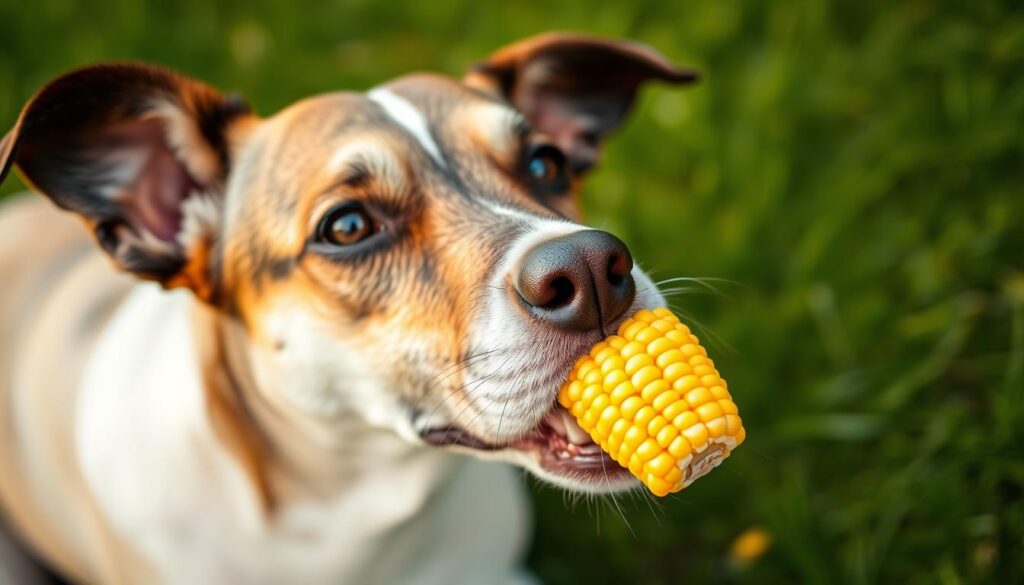
In conclusion, dogs can eat corn safely if done thoughtfully. By understanding the importance of moderation, recognizing individual tolerance variations, and considering breed-specific factors, you can make informed decisions about including corn in your dog’s diet.
Health Benefits of Corn for Dogs
Corn is more than just a filler in dog food; it offers several health advantages for your canine companion. When included in a balanced diet, corn can provide essential nutrients and support overall health.
Antioxidant Properties
Corn contains antioxidants, particularly in its yellow varieties, which can help protect your dog’s cells from damage caused by free radicals. Antioxidants play a crucial role in maintaining your dog’s health, potentially reducing the risk of chronic diseases and supporting a healthy immune system.
Digestive Health Support
Corn is a source of dietary fiber, which is essential for supporting your dog’s digestive health. Adequate fiber intake can help regulate bowel movements, prevent constipation, and support the growth of beneficial gut bacteria. The fiber in corn can also help your dog feel fuller, potentially aiding in weight management.
| Nutrient | Benefit |
|---|---|
| Fiber | Supports digestive health and satiety |
| Antioxidants | Protects against cell damage and supports immune health |
| Carbohydrates | Provides energy for daily activities |
Energy and Nutrient Contribution
Corn is a rich source of carbohydrates, which are vital for providing energy to your dog. The nutrients in corn, including vitamins and minerals, contribute to various bodily functions, supporting overall health and wellbeing. When corn is part of a balanced diet, it can help ensure your dog has the energy they need for daily activities.
Potential Risks and Concerns
While corn can be a nutritious addition to a dog’s diet, there are several potential risks to consider. As you evaluate whether to include corn in your dog’s meals, it’s crucial to be aware of these concerns to ensure you’re making an informed decision.
Corn Allergies in Dogs
Corn allergies in dogs, though not as common as other allergies, can cause significant discomfort. Symptoms may include itching, skin irritation, and gastrointestinal issues. If you suspect your dog has a corn allergy, consult with your veterinarian to determine the best course of action.
Diagnosing a corn allergy typically involves an elimination diet, where corn is removed from the dog’s diet for a period, followed by a reintroduction to observe any adverse reactions. If your dog is diagnosed with a corn allergy, you’ll need to carefully select dog foods that are corn-free.
Choking Hazards
Corn on the cob poses a significant choking hazard for dogs. If ingested, it can also cause intestinal blockages, which are serious and potentially life-threatening conditions. To avoid these risks, it’s recommended to remove corn kernels from the cob before offering them to your dog.
Even corn kernels can be a choking hazard, especially for small breeds. Supervise your dog when they’re eating corn to ensure their safety.
GMO and Pesticide Concerns
Some corn is genetically modified (GMO), and there are concerns about the potential impact of GMO foods on health. While the scientific consensus is still out on the long-term effects of GMO foods on dogs, choosing non-GMO corn products can be a safer option.
Additionally, corn may be treated with pesticides, which can leave residues on the corn. Opting for organic corn can minimize exposure to these chemicals. Always wash corn thoroughly before serving it to your dog.
Impact on Dogs with Specific Health Conditions
Dogs with certain health conditions, such as diabetes or obesity, may need to limit their corn intake due to its high carbohydrate content. Corn can cause a spike in blood sugar levels, which is particularly concerning for diabetic dogs.
For dogs with digestive issues, corn can be difficult to digest, potentially exacerbating conditions like inflammatory bowel disease. Monitor your dog’s health and adjust their diet accordingly. Consult with your veterinarian to determine the best dietary plan for your dog’s specific health needs.
Different Forms of Corn for Dogs
When it comes to feeding your dog corn, it’s essential to understand the different forms it can take and their implications on your dog’s health. Corn can be a nutritious addition to a dog’s diet when served appropriately, but its form can significantly affect its safety and nutritional value.
Cooked Corn Kernels
Cooked corn kernels can be a safe and healthy treat for dogs when given in moderation. Cooking corn makes it more digestible for dogs, as it breaks down some of the tough cell walls, making the nutrients more accessible. However, it’s crucial to ensure that the corn is plain and free from additives like butter, salt, or seasonings that can be harmful to dogs.
Corn on the Cob Dangers
While corn on the cob might seem like a harmless treat, it poses significant risks to dogs. The cob itself can be a choking hazard, and if swallowed, it can cause intestinal blockages. If your dog ingests corn on the cob, monitor them closely for signs of distress, and consult your veterinarian immediately if you notice any adverse symptoms.
Popcorn Considerations
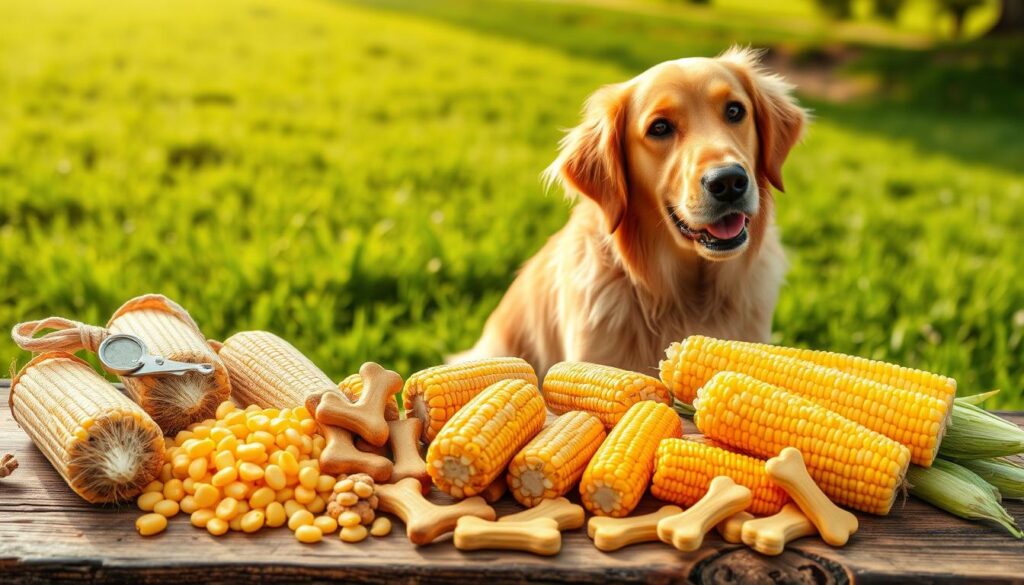
Popcorn can be a fun treat for dogs, but it’s essential to serve it plain and air-popped, without any added oils, salts, or flavorings. While popcorn is not toxic to dogs, the additives commonly used can be harmful. Also, be cautious of kernels getting stuck in your dog’s teeth or posing a choking hazard, especially for small breeds.
Corn-Based Products
Corn-based products like chips and tortillas are not recommended for dogs. These products are often high in salt, fat, and other seasonings that can be detrimental to a dog’s health. Consuming such products regularly can lead to obesity, digestive issues, and other health problems in dogs.
Commercial Dog Foods Containing Corn
Many commercial dog foods contain corn as a filler ingredient. While some dogs may tolerate corn-based dog foods without issues, others might experience sensitivities or allergies. It’s essential to monitor your dog’s reaction to corn-containing dog foods and consult with your veterinarian if you notice any adverse reactions.
| Corn Form | Safety for Dogs | Precautions |
|---|---|---|
| Cooked Corn Kernels | Generally safe in moderation | Ensure it’s plain and free from additives |
| Corn on the Cob | Dangerous due to choking and blockage risks | Avoid giving corn on the cob to dogs |
| Plain Air-Popped Popcorn | Can be a safe treat | Be cautious of kernels getting stuck in teeth |
| Corn-Based Products (Chips, Tortillas) | Not recommended due to high salt and fat content | Avoid giving these products to dogs |
| Commercial Dog Foods with Corn | Can be safe but monitor for sensitivities | Consult with a veterinarian if adverse reactions occur |
How to Safely Introduce Corn to Your Dog’s Diet
To safely add corn to your dog’s diet, follow these guidelines. Introducing new foods to your dog’s diet can be beneficial, but it requires careful consideration to avoid adverse reactions.
Proper Preparation Methods
Corn should be prepared correctly before being served to your dog. Cooked corn kernels are a safe option, as cooking makes the corn more digestible for dogs. Avoid adding any seasonings or butter, as these can be harmful.
Boiling or steaming corn is recommended. These methods help retain the nutritional value of the corn without adding harmful ingredients. Ensure the corn is cooled down before serving it to your dog.
Serving Sizes by Dog Weight
The serving size of corn for your dog depends on their weight. As a general guideline, smaller dogs can have a few kernels as a treat, while larger dogs can be served more substantial portions.
- Small dogs (under 20 lbs): 1-2 tablespoons of cooked corn
- Medium dogs (21-50 lbs): 2-4 tablespoons
- Large dogs (51+ lbs): 4-6 tablespoons
Monitoring for Adverse Reactions
After introducing corn to your dog’s diet, monitor them closely for any signs of an adverse reaction. Symptoms can include itching, digestive issues, or changes in behavior.
“If your dog shows any signs of discomfort or allergic reactions after consuming corn, discontinue feeding it to them and consult your veterinarian.”
Creative and Safe Corn Recipes for Dogs
You can create simple and healthy corn recipes for your dog. For example, mix cooked corn with their regular meal or create a corn and vegetable stir-fry using dog-safe ingredients.
By following these guidelines, you can safely introduce corn into your dog’s diet and provide them with a nutritious and varied meal plan.
Signs Your Dog Should Avoid Corn
As a dog owner, it’s crucial to recognize the signs that indicate your dog should avoid corn. While corn can be a nutritious addition to some dogs’ diets, others may experience adverse reactions or have specific health conditions that make it unsuitable.
Allergic Reaction Symptoms
Some dogs may be allergic to corn, and identifying the symptoms of an allergic reaction is crucial. Common signs include:
- Itching and scratching
- Skin rashes or hives
- Swelling, particularly around the face or paws
- Digestive issues such as diarrhea or vomiting
If you notice any of these symptoms after feeding your dog corn, it’s essential to consult with your veterinarian to determine the best course of action.
Digestive Distress Indicators
Dogs may also experience digestive distress after consuming corn, even if they are not allergic. Signs of digestive issues include:
- Gastrointestinal upset, such as gas or bloating
- Diarrhea or loose stools
- Vomiting or regurgitation
- Lack of appetite or lethargy
If your dog exhibits any of these symptoms, it’s crucial to monitor their condition and adjust their diet accordingly.
When to Consult Your Veterinarian
If you suspect that your dog is reacting adversely to corn or any other food ingredient, it’s vital to consult with your veterinarian. They can help determine the cause of the issue and recommend a suitable diet for your dog. Be prepared to provide detailed information about your dog’s symptoms, diet, and overall health.
By being aware of the signs that your dog should avoid corn, you can take proactive steps to ensure their health and well-being. Always prioritize your dog’s specific needs and consult with a veterinary professional if you have any concerns.
Conclusion
As you’ve learned, dogs can eat corn, but it’s crucial to do so in moderation. Corn can be a nutritious addition to your dog’s diet, providing essential carbohydrates, vitamins, and minerals. However, it’s also important to be aware of the potential risks, such as allergies and digestive issues.
To safely incorporate corn into your dog’s meals, ensure it’s properly prepared and served in appropriate amounts based on your dog’s weight and individual needs. Monitoring your dog’s reaction to corn is vital, as some may exhibit signs of intolerance or allergy.
By understanding the benefits and risks of corn for dogs and taking a balanced approach, you can make informed decisions about your dog’s diet. Always consult with your veterinarian if you have concerns about adding corn or any other new food to your dog’s nutritional regimen.