Can Dogs Eat Peas? Nutrition & Safety Tips
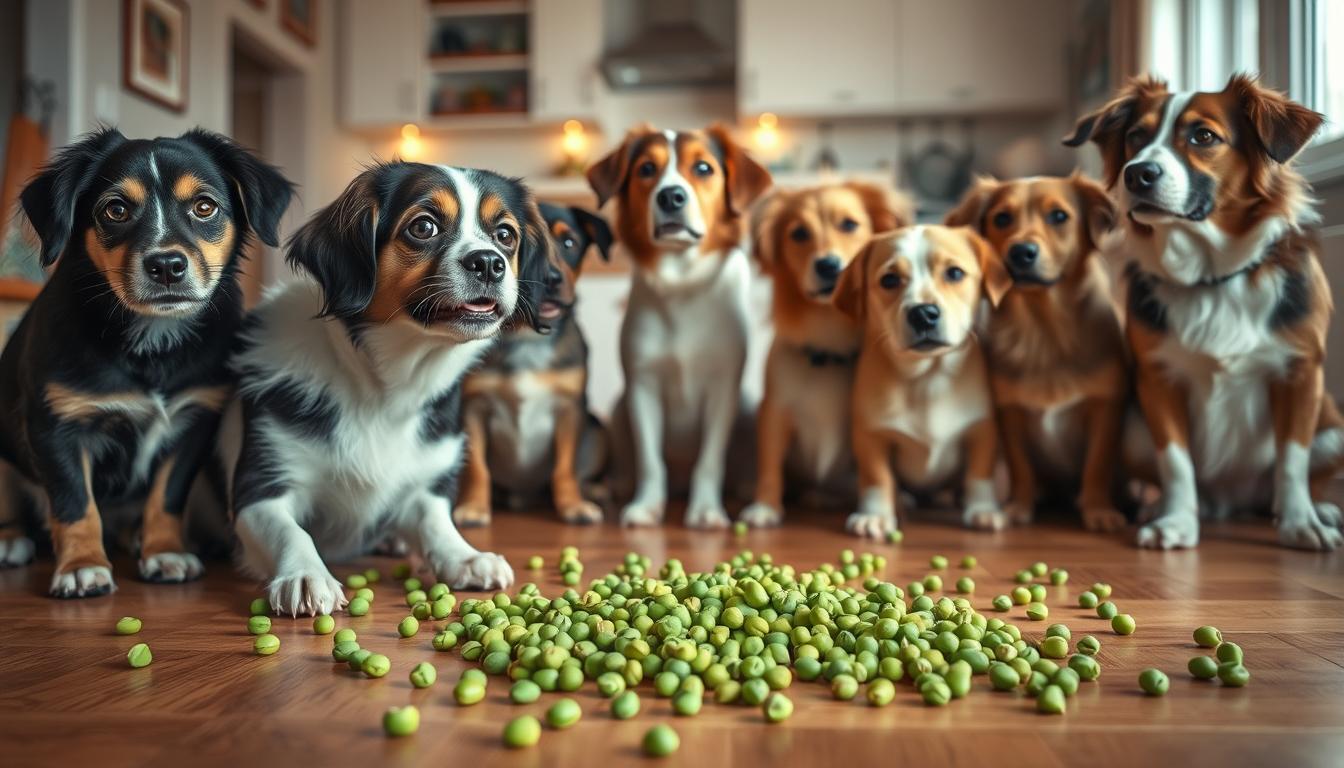
Table of Contents
As a dog owner, you’re likely always on the lookout for healthy ways to enhance your furry friend’s diet. One question that may have crossed your mind is whether peas are a safe and nutritious option for your dog. The answer is yes, but with some caveats. Peas can be a great addition to your dog’s meal, providing essential vitamins and minerals.
Understanding the nutritional value and safety tips for feeding peas to your dog is crucial. While peas are not toxic to dogs, overconsumption or improper preparation can lead to adverse effects. It’s essential to introduce peas into their diet thoughtfully.
The Nutritional Profile of Peas for Dogs
As a dog owner, you’re likely curious about the nutritional value of peas for your canine companion. Peas are a nutrient-rich food that can provide your dog with essential vitamins, minerals, and other beneficial compounds.
Essential Vitamins and Minerals in Peas
Peas are rich in various vitamins and minerals that are crucial for maintaining your dog’s overall health. They are an excellent source of vitamin K, which plays a vital role in blood clotting and bone health. Additionally, peas contain vitamin A, important for vision, immune function, and skin health. The mineral content in peas, including potassium, supports heart health and helps maintain healthy blood pressure.
Protein and Fiber Content
Peas are a good source of plant-based protein, making them an excellent addition to your dog’s diet, especially for those with dietary restrictions or preferences. The fiber content in peas can help support healthy digestion, preventing constipation and promoting regular bowel movements. A high-fiber diet can also contribute to a feeling of fullness, which can be beneficial for managing your dog’s weight.
Caloric Value of Peas in a Dog’s Diet
Peas are relatively low in calories, making them a nutritious and guilt-free addition to your dog’s meals. The caloric value of peas can vary depending on their preparation and serving size. Generally, a serving of peas adds a minimal amount of calories to your dog’s diet, allowing you to enhance their nutritional intake without significantly impacting their daily caloric needs.
Can Dogs Eat Peas? Understanding the Basics
As a dog owner, you’re likely curious about whether peas are a safe and healthy addition to your dog’s diet. Understanding the basics of feeding peas to dogs is crucial for their nutritional well-being. Peas can be a nutritious addition when done correctly.
Types of Peas Safe for Canine Consumption
Garden peas, snow peas, and snap peas are generally considered safe for dogs. These types of peas are not only palatable for dogs but also provide essential nutrients. However, it’s crucial to introduce them gradually and in moderation to prevent digestive upset.
Recommended Serving Sizes by Dog Size
The serving size of peas for dogs varies based on their size. Here’s a general guideline to follow:
| Dog Size | Recommended Serving Size |
|---|---|
| Small Dogs (<20 lbs) | 1-2 tablespoons |
| Medium Dogs (21-50 lbs) | 2-4 tablespoons |
| Large Dogs (51-80 lbs) | 1/4 cup |
| Extra-Large Dogs (>80 lbs) | 1/2 cup |
How Often to Include Peas in Your Dog’s Diet
Peas should be treated as a supplement rather than a staple in your dog’s diet. It’s recommended to limit peas to no more than 10% of your dog’s daily calorie intake. For most dogs, this translates to a few servings per week. Always consult with your veterinarian to determine the best frequency for your dog based on their specific needs and health status.
By incorporating peas into your dog’s diet thoughtfully, you can provide them with a nutritious treat that supports their overall health.
Health Benefits of Peas for Your Canine Companion
Peas are a nutrient-rich food that can provide several health advantages for your canine companion. Incorporating peas into your dog’s diet can lead to various health benefits, ranging from anti-inflammatory effects to improved digestive health.
Anti-inflammatory Properties and Immune Support
Peas contain antioxidants and other nutrients that can help support your dog’s immune system. The anti-inflammatory properties in peas may aid in reducing inflammation, potentially alleviating conditions such as arthritis.
Digestive Health and Fiber Advantages
The high fiber content in peas can significantly contribute to your dog’s digestive health. Fiber helps promote regular bowel movements and can prevent constipation, ensuring a healthy gastrointestinal tract.
Potential Benefits for Joint Health and Mobility
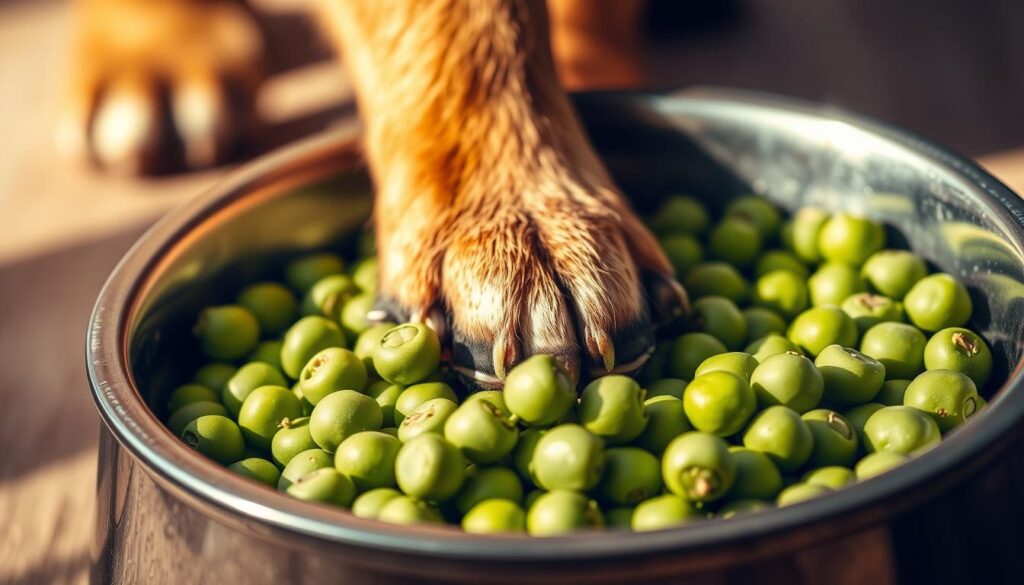
The nutrients present in peas, including vitamins and minerals, may also contribute to improved joint health and mobility in dogs. This can be particularly beneficial for older dogs or breeds prone to joint issues.
| Benefit | Description |
|---|---|
| Anti-inflammatory Effects | Reduces inflammation, potentially alleviating conditions like arthritis |
| Digestive Health | Promotes regular bowel movements and prevents constipation |
| Joint Health and Mobility | Contributes to improved joint health, beneficial for older dogs or prone breeds |
Potential Risks and Concerns When Feeding Peas to Dogs
While peas can be a nutritious addition to your dog’s diet, there are several potential risks to be aware of. As with any food, it’s crucial to consider these factors to ensure your dog’s safety and nutritional balance.
Digestive Issues and Gas Problems
Some dogs may experience digestive issues after consuming peas, including gas, bloating, or diarrhea. This is often due to the high fiber content in peas. If your dog shows signs of discomfort after eating peas, it may be necessary to reduce the serving size or avoid them altogether.
Kidney Concerns and DCM Considerations
There has been some concern about the link between peas and certain health issues in dogs, such as dilated cardiomyopathy (DCM). While the exact relationship is still being researched, it’s essential to be aware of the potential risks, especially if your dog has pre-existing kidney issues. Consulting with your veterinarian can help determine the best approach for your dog.
Choking Hazards and Preparation Precautions
Peas can pose a choking hazard, especially for small dogs or if they are not prepared correctly. To minimize this risk, ensure that peas are cooked and served in a way that prevents choking. For frozen peas, thawing them before serving can also help. Always supervise your dog when introducing new foods, including peas.
By being aware of these potential risks and taking steps to mitigate them, you can safely incorporate peas into your dog’s diet, providing a nutritious and varied meal plan.
How to Safely Prepare Peas for Your Dog
When it comes to feeding your dog peas, proper preparation is key to ensuring their safety and nutritional value. Preparing peas correctly can make a significant difference in how your dog digests and benefits from them. Whether you’re considering raw or cooked peas, understanding the best preparation methods is crucial.
Raw vs. Cooked: Which is Better for Canine Digestion
Cooking peas can make them more easily digestible for dogs. Cooked peas are softer and can be less likely to cause digestive upset compared to raw peas. However, some dogs may tolerate raw peas well, especially if they are finely chopped or pureed.
Proper Cleaning and Preparation Methods
Before serving peas to your dog, it’s essential to clean them thoroughly. Rinse fresh or frozen peas under cold water to remove any dirt or debris. If you’re using canned peas, choose varieties that are low in sodium and without added preservatives. Cooking peas until they’re tender can help reduce the risk of digestive issues.
Avoiding Harmful Additives, Seasonings, and Preservatives
When preparing peas for your dog, it’s crucial to avoid adding any harmful seasonings, spices, or preservatives. Keep the preparation simple by using plain water for cooking, and refrain from adding salt, butter, or other human food additives that can be harmful to dogs.
Creative Ways to Incorporate Peas into Your Dog’s Diet
You can easily make peas a part of your dog’s diet in several creative ways, enhancing their meals with added nutrition and flavor. Incorporating peas into your dog’s food can be as simple as mixing them with their regular meals or using them to make healthy treats.
Homemade Dog Treat Recipes with Peas
Creating homemade dog treats with peas is a fun and healthy way to reward your dog. You can make pea and potato biscuits or frozen pea and yogurt bites. These treats not only taste good but also provide a nutritious snack for your dog. When making homemade treats, ensure that you avoid adding harmful ingredients like onions, garlic, or excessive salt.
Mixing Peas with Regular Dog Food for Added Nutrition
One of the simplest ways to include peas in your dog’s diet is by mixing them with their regular dog food. This adds fiber, vitamins, and minerals to their meals, enhancing their overall nutrition. Start with a small amount to ensure your dog can digest the peas without any issues.
Frozen Pea Treats for Hot Days and Dental Health
Frozen peas can make a refreshing treat for dogs, especially on hot days. You can freeze peas individually or mix them with yogurt and freeze the mixture in ice cube trays. These frozen treats can help keep your dog cool and also support dental health by reducing plaque.
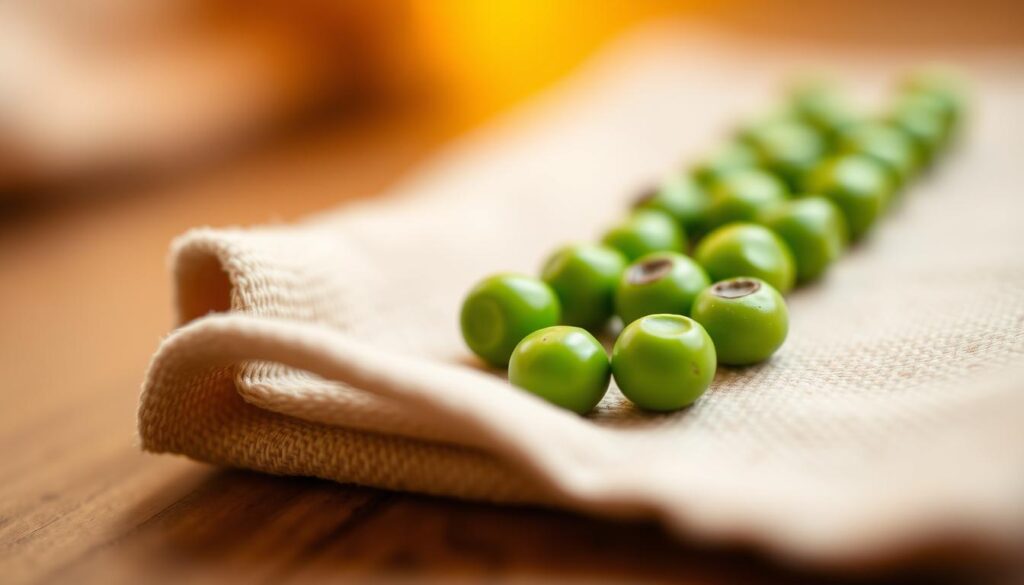
Special Considerations for Different Dog Breeds and Ages
When it comes to feeding your dog peas, it’s crucial to consider their age, breed, and individual health needs. Peas can be a nutritious addition to your dog’s diet, but their introduction should be tailored to the dog’s life stage and breed-specific requirements.
Puppies and Peas: Growth and Development Considerations
Puppies have different nutritional needs than adult dogs. Peas can be a healthy addition to their diet, providing essential vitamins and minerals. However, they should be introduced gradually to prevent digestive upset. It’s recommended to consult with a veterinarian to determine the best way to incorporate peas into your puppy’s diet.
Senior Dogs and Digestibility Factors
Senior dogs may experience decreased digestive efficiency, making it important to introduce peas in a way that is easy on their digestive system. Cooking peas can make them more digestible. Monitoring your dog’s response to peas is crucial, as some seniors may have sensitive stomachs.
Breed-Specific Sensitivities and Dietary Needs
Different breeds have unique characteristics that may affect how they process certain foods, including peas. For example, some breeds are prone to kidney issues, and the high protein content in peas might be a concern. Researching your breed’s specific needs and consulting with a veterinarian can help you make informed decisions.
| Dog Life Stage | Recommended Pea Preparation | Key Considerations |
|---|---|---|
| Puppies | Cooked and mashed | Gradual introduction, balanced diet |
| Senior Dogs | Cooked and softened | Digestibility, potential kidney concerns |
| Adult Dogs | Raw or cooked | Moderation, breed-specific sensitivities |
By considering these factors and consulting with a veterinarian, you can safely incorporate peas into your dog’s diet, regardless of their age or breed.
Signs Your Dog May Not Tolerate Peas Well
Peas are generally safe for dogs, but there are signs to watch for that may indicate your dog isn’t tolerating them well. When introducing peas into your dog’s diet, it’s crucial to monitor their health and behavior closely.
Digestive Symptoms to Watch For After Feeding Peas
If your dog is not tolerating peas well, you might notice digestive issues. Common symptoms include:
- Vomiting
- Diarrhea
- Gas or bloating
- Abdominal pain or discomfort
If you observe any of these symptoms, it’s advisable to reduce or eliminate peas from their diet.
Allergic Reactions: Recognition and Immediate Response
In some cases, dogs may be allergic to peas. Signs of an allergic reaction can include:
- Itching or scratching
- Skin rashes or hives
- Swelling, particularly around the face or paws
If you suspect an allergic reaction, stop feeding peas immediately and consult your veterinarian for advice.
When to Consult Your Veterinarian About Dietary Concerns
If your dog shows any signs of not tolerating peas, or if you’re unsure about introducing them into their diet, it’s always best to consult with your veterinarian. They can provide personalized advice based on your dog’s health history and dietary needs.
Some situations that warrant a vet visit include:
- Persistent vomiting or diarrhea
- Signs of abdominal pain
- Any symptoms of an allergic reaction
Your veterinarian can help you determine the best course of action for your dog’s diet and health.
Conclusion: Balancing Peas in Your Dog’s Diet
As you’ve learned, peas can be a nutritious addition to your dog’s diet when fed appropriately. Understanding the nutritional benefits and potential risks allows you to make informed decisions about incorporating peas into your dog’s meals.
To safely include peas, consider your dog’s size, age, and individual needs. Moderation is key, as overfeeding can lead to digestive issues. You can creatively add peas to your dog’s diet through homemade treats or mixed with their regular food.
By being mindful of the guidelines outlined, you can harness the health benefits of peas for your canine companion. So, can dogs eat peas? Yes, they can, as long as it’s done thoughtfully and with consideration of their overall dietary needs.