Canary Breeds – Singing, Colors & How to Care
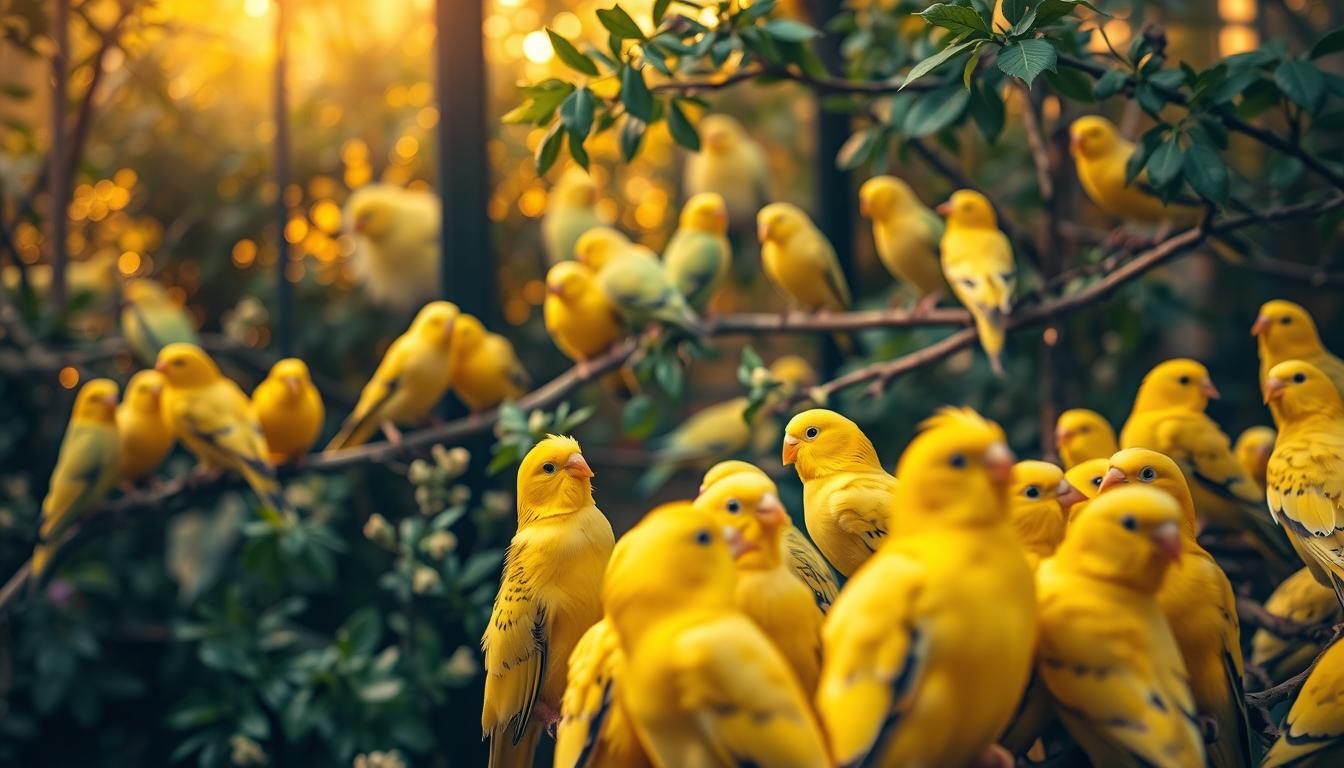
Table of Contents
You’ve likely been captivated by the melodious songs and vibrant colors of canary bird breeds. These birds are not only a delight to listen to but also a pleasure to behold. With their rich history and diverse characteristics, canary breeds have become a favorite among bird enthusiasts.
As you explore the world of canary bird breeds, you’ll discover a wide range of singing abilities, from melodious trills to complex songs. Their plumage is equally impressive, featuring a variety of colors and patterns. To keep your canary happy and healthy, you’ll need to provide proper care, including a nutritious diet, a clean environment, and regular social interaction.
The Fascinating World of Canaries
With their origins tracing back to the wild canary islands, these birds have evolved into a multitude of breeds, each with its own distinct features. Understanding the history and natural behaviors of canaries can help you appreciate these birds even more.
Origin and Domestication History
Canaries were first domesticated in the 17th century, primarily for their singing abilities. Over time, breeders have selectively bred them to enhance their songs, colors, and physical characteristics. Today, there are over 100 different breeds of canaries, ranging from the tiny Gloster to the larger Norwich canary.
Natural Behaviors and Characteristics
Canaries are known for their beautiful singing, a trait that has been bred into them over centuries. They are also recognized for their vibrant colors and distinctive physical traits.
Lifespan and Physical Traits
Canaries typically live between 10 to 15 years in captivity, depending on the breed and care. They come in a variety of colors, including yellow, green, and red, and have different physical characteristics, such as the frill on a Frill Canary or the crest on a Gloster Canary.
Temperament and Social Needs
Canaries are generally friendly birds but can be territorial. They are social creatures that thrive on interaction, although they can be kept alone if provided with enough stimulation and attention. A well-cared-for canary will sing melodiously and display its vibrant colors.
Some popular canary breeds include the Roller Canary, known for its song, and the Lizard Canary, admired for its unique appearance. Understanding the different types of canaries can help you choose the perfect pet for your home.
Most Popular Canary Breeds for Singing
Among the many canary breeds, some are particularly celebrated for their singing prowess. If you’re looking to bring the joy of birdsong into your home, consider these top singing canary breeds.
Roller Canaries
Roller Canaries are renowned for their deep, rich songs. Their singing style is characterized by a continuous, rolling melody that is both soothing and beautiful.
Song Characteristics and Training
The song of a Roller Canary is known for its depth and complexity. Training involves exposing young birds to experienced singers to learn their melodies.
American Singer Canaries
American Singer Canaries are bred for their vocal versatility and endurance. They are capable of producing a wide range of tones and are known for their long, sustained songs.
Vocal Range and Performance
These canaries are prized for their ability to sing complex melodies and are often used in competitions to showcase their vocal range.
Waterslager Canaries
Waterslager Canaries, also known as “Water Canaries,” produce a unique song that mimics the sound of gently flowing water.
Unique Water-Like Songs
Their song is characterized by a soft, gurgling quality that is highly prized by canary enthusiasts.
Harz Roller Canaries
Harz Roller Canaries are one of the oldest and most respected singing canary breeds, originating from the Harz Mountains in Germany.
Traditional German Singing Style
They are known for their traditional German singing style, characterized by deep, rolling melodies that are considered the epitome of canary song.
Each of these breeds offers a unique singing experience, making them the best canary breeds for those who appreciate birdsong.
Colorful Canary Varieties to Brighten Your Home
If you’re looking to add a splash of color to your home, consider the vibrant world of canary breeds. Canaries are renowned not only for their melodious songs but also for their stunning plumage. The variety of colors and patterns among canary breeds can brighten up any room, making them a delightful addition to your home.
Red Factor Canaries
Red Factor Canaries are known for their vibrant red color, which is a result of a specific diet rich in carotenoids. These canaries have been bred to enhance their natural red hue, making them a striking addition to any aviary or home.
Diet Requirements for Color Enhancement
To maintain their vibrant color, Red Factor Canaries require a diet rich in carotenoid pigments. This can be achieved by feeding them foods that contain these pigments, such as certain vegetables and specialized canary feed.
Lizard Canaries
Lizard Canaries are another visually striking breed, known for their unique scaling patterns on their breast and back. These patterns give them a lizard-like appearance, hence their name.
Distinctive Scaling Patterns
The scaling pattern on Lizard Canaries is a result of the specific structure of their feathers. The fine, dark edges around the feathers create a scaled effect, making each bird’s pattern unique.
Gloster Canaries
Gloster Canaries are admired for their crested heads and compact bodies. They come in two varieties: Corona and Consort.
Corona and Consort Varieties
The Corona variety has a crested head, while the Consort variety does not. Both types are prized for their beautiful singing and attractive appearance.
Border Canaries
Border Canaries are known for their rich color variations and compact size. They are a popular choice among canary enthusiasts due to their beautiful appearance and melodious song.
Color Variations and Standards
Border Canaries come in a variety of colors, including yellow, green, and variegated patterns. Breeders strive to meet specific color standards, making them a fascinating breed to learn about and keep.
Rare and Exotic Canary Breeds Worth Discovering
Beyond the popular canary breeds, a world of rare and exotic canaries awaits discovery. These unique birds offer a fascinating glimpse into the diversity of canary breeds, each with their own distinct characteristics and histories.
Frill Canaries
Frill Canaries are known for their unique feather formations, which give them a distinctive appearance. Their frilled feathers create a beautiful, flowing effect around their bodies.
Unique Feather Formations
The frilling on these canaries is a result of a genetic trait that causes their feathers to curl and twist, creating a visually striking appearance. This characteristic makes them a favorite among canary enthusiasts who appreciate their beauty and rarity.
Gibber Italicus Canaries
Gibber Italicus Canaries have a rich Italian heritage, reflecting their origins in Italy. They are prized for their melodious song and vibrant colors.
Italian Heritage and Characteristics
These canaries are known for their melodious singing, a trait that has been cultivated through careful breeding. Their Italian heritage is reflected in their name and their historical development as a breed.
Norwich Canaries
Norwich Canaries are admired for their robust build and vibrant colors. They are a sturdy breed with a rich history.
Robust Build and Vibrant Colors
The Norwich Canary’s robust build and large size make them stand out among other breeds. Their vibrant colors add to their appeal, making them a popular choice for those who appreciate their visual beauty.
| Breed | Unique Feature | Origin |
|---|---|---|
| Frill Canaries | Frilled Feathers | Unknown |
| Gibber Italicus Canaries | Melodious Song | Italy |
| Norwich Canaries | Robust Build | England |
How to Choose the Perfect Canary Breed for Your Home
Choosing the right canary breed involves considering several factors, including your experience level, living space, and personal preferences. With so many breeds to choose from, it’s essential to assess your situation carefully to ensure you find a canary that thrives under your care.
Step1: Assess Your Experience Level
If you’re new to canary care, it’s best to start with a breed known for being easy to care for. More experienced owners can consider breeds with specific needs.
Step2: Consider Your Living Space and Noise Tolerance
Your living situation plays a significant role in choosing a canary breed. If you live in an apartment, you may prefer a quieter breed, while those with more space can consider more vocal birds.
Step3: Determine Your Primary Interest (Song, Color, or Form)
Canary breeds are known for their singing, vibrant colors, or unique forms. Decide what’s most important to you to narrow down your choices.
Step4: Research Breed-Specific Care Requirements
Different breeds have different needs. Researching the specific care requirements for your chosen breed ensures you’re prepared to provide the best care.
By following these steps, you can find the perfect canary breed that fits your lifestyle and provides a loving home for your new pet.
Setting Up an Ideal Canary Habitat: Step-by-Step Guide
To keep your canary happy and healthy, setting up the right habitat is essential. A well-designed canary habitat not only enhances the bird’s quality of life but also encourages its natural behaviors.
Step1: Selecting the Right Cage Size and Type
Choosing the correct cage size and type is crucial for your canary’s comfort and safety.
Minimum Space Requirements
Canaries need space to fly and exercise. The minimum cage size recommended is 16 inches tall, 16 inches wide, and 30 inches long.
Bar Spacing Considerations
The bar spacing should be between 1/2 inch to 5/8 inch to prevent escape or injury. Wire cages are preferable as they provide better ventilation.

Step2: Installing Essential Cage Accessories
Once you have the right cage, it’s time to add the necessary accessories.
Perches, Food Dishes, and Bathing Options
Include a variety of perches to keep your canary’s feet healthy. Place food dishes and water containers in accessible locations. A bathing dish is also a must for maintaining hygiene.
| Accessory | Purpose | Recommendation |
|---|---|---|
| Perches | Foot health and exercise | Varied diameters and textures |
| Food Dishes | Eating and nutrition | Easy to clean, sturdy |
| Bathing Dish | Hygiene and feather care | Shallow, wide enough for bathing |
Step3: Creating a Safe Environment
Ensuring the cage environment is safe and healthy is vital.
Temperature, Lighting, and Airflow
Maintain a temperature between 65°F to 75°F. Provide natural light or full-spectrum lighting. Ensure good airflow but avoid drafts.
Step4: Optimal Cage Placement in Your Home
Where you place the cage can significantly impact your canary’s stress levels.
Avoiding Hazards and Stressors
Place the cage away from direct sunlight, drafts, and kitchen fumes. Avoid areas with high foot traffic or potential predators.
By following these steps, you can create a comfortable and stimulating environment for your canary, promoting its overall well-being and happiness.
Canary Breeds: Complete Nutrition and Feeding Guide
Canaries require a diverse and nutrient-rich diet to thrive, and understanding their nutritional needs is essential for any canary owner. A well-balanced diet not only ensures the overall health of your canary but also enhances its singing abilities and vibrant plumage.
Establishing a Basic Seed Diet
A seed diet is the foundation of your canary’s nutrition. It’s crucial to select a high-quality seed mix that is formulated specifically for canaries.
Quality Seed Mixes and Portions
Choose a seed mix that contains a variety of seeds such as millet, canary grass seed, and niger seed. Avoid mixes with too much filler or low-quality ingredients. The portion size will depend on the size and activity level of your canary, but generally, a few teaspoons per day is sufficient.
Incorporating Fresh Foods
In addition to a seed diet, fresh foods play a vital role in providing essential vitamins and minerals. Fresh vegetables and fruits should be introduced daily to keep the diet varied and interesting.
Safe Vegetables and Fruits
Some safe options include leafy greens like kale and spinach, carrots, apples, and berries. Avoid giving your canary avocado, onion, or chocolate, as these are toxic. Ensure all fresh foods are washed thoroughly before serving.
Adding Specialized Nutrition for Singing Canaries
For canaries bred for their singing abilities, additional nutritional support can enhance their performance. Egg food and protein supplements are beneficial during the breeding season or when your canary is under stress.
Egg Food and Protein Supplements
Egg food, made from eggs, bread, and sometimes additional nutrients, provides a protein-rich supplement. Use it sparingly, as it is high in calories. Protein supplements can also be added to the soft food or seed mix.
Providing Proper Supplements and Treats
Supplements and treats can add variety to your canary’s diet and ensure they receive all necessary nutrients. Cuttlebone and mineral blocks are excellent for providing calcium and other minerals.
Cuttlebone, Mineral Blocks, and Occasional Treats
Cuttlebone is a rich source of calcium, essential for strong bones and beak health. Mineral blocks offer additional minerals. Treats like millet sprays can be given occasionally to provide mental stimulation and a fun challenge.
By following these steps and ensuring a varied and balanced diet, you can help your canary lead a healthy, happy life, singing its sweet melodies.
Essential Health Care for Your Canary
To keep your canary thriving, it’s essential to understand the basics of its health care. A comprehensive approach includes preventative care, recognizing common health issues, and knowing when to seek professional help.
Step1: Establishing a Preventative Care Routine
A preventative care routine is the foundation of maintaining your canary’s health. This involves regular health checks and monitoring.
Regular Health Checks and Monitoring
Regularly inspect your canary for signs of illness or stress, such as changes in appetite, drooping wings, or unusual droppings. Monitoring your canary’s behavior daily can help you catch potential health issues early.
Step2: Recognizing Common Health Issues
Canaries are prone to specific health issues that you should be aware of. Being able to identify these problems early can make a significant difference in treatment outcomes.
Respiratory Problems, Mites, and Digestive Issues
Respiratory infections are common in canaries, often caused by bacterial or fungal pathogens. Mites can cause discomfort and lead to secondary infections. Digestive issues may arise from dietary imbalances or infections.
Step3: Providing First Aid and Home Care
Knowing how to provide basic first aid and home care can help your canary recover from minor health issues. However, it’s crucial to distinguish between when to treat at home and when to seek professional help.
When to Treat at Home vs. Seeking Professional Help
For minor issues, such as slight feather loss or minor injuries, home care might be sufficient. However, for severe symptoms like labored breathing, severe injury, or significant changes in behavior, seek veterinary care immediately.
Step4: Finding and Working with an Avian Veterinarian
An avian veterinarian specializes in the care of birds and can provide expert advice and treatment for your canary.
Annual Check-ups and Emergency Care
Annual check-ups can help prevent health issues, while knowing how to access emergency care can be lifesaving. Ensure you have a plan in place for emergency veterinary visits.
| Health Issue | Symptoms | Action |
|---|---|---|
| Respiratory Infection | Wheezing, labored breathing | Seek veterinary care |
| Mites | Excessive preening, feather loss | Treat with mite medication |
| Digestive Issues | Diarrhea, loss of appetite | Adjust diet, seek veterinary care if persistent |
Training Your Canary: Enhancing Natural Abilities
Canary training is not just about teaching tricks; it’s about nurturing their innate talents and characteristics. By following a structured approach, you can enhance your canary’s singing, behavior, and overall well-being.
Step1: Building Trust Through Daily Interaction
Building trust is fundamental to successful canary training. Start by spending time with your canary daily, engaging in gentle interactions that help your bird become comfortable with your presence.
Gentle Approach Techniques
Use gentle approach techniques to avoid startling your canary. Move slowly, speak softly, and avoid sudden movements. This helps in creating a calm environment conducive to learning.
Step2: Implementing Song Training Methods
Song training is a crucial aspect of canary training. Utilize audio recordings of canary songs to stimulate your bird’s singing. You can also use a mentor bird to teach your canary new melodies.
Using Audio Recordings and Mentor Birds
Playing recordings of canary songs can encourage your bird to sing along. Similarly, having a mentor bird nearby can inspire your canary to learn new tunes.
Step3: Establishing a Consistent Training Schedule
Consistency is key in canary training. Establish a regular training schedule to keep your canary engaged and learning.
Optimal Times for Learning
The best times for training are usually early morning and late afternoon when canaries are most active. Use these periods for song training and interaction.
Step4: Monitoring Progress and Adjusting Techniques
Monitor your canary’s progress closely and adjust your training techniques as needed. Be patient, as every bird learns at its own pace.
Patience and Positive Reinforcement
Use positive reinforcement techniques, such as offering treats, to encourage good behavior. Patience is crucial, as training a canary requires time and understanding.
| Training Aspect | Technique | Benefit |
|---|---|---|
| Building Trust | Gentle Interactions | Comforts the canary |
| Song Training | Audio Recordings | Stimulates singing |
| Consistency | Regular Schedule | Enhances learning |
Breeding Basics: Propagating Your Favorite Canary Breeds
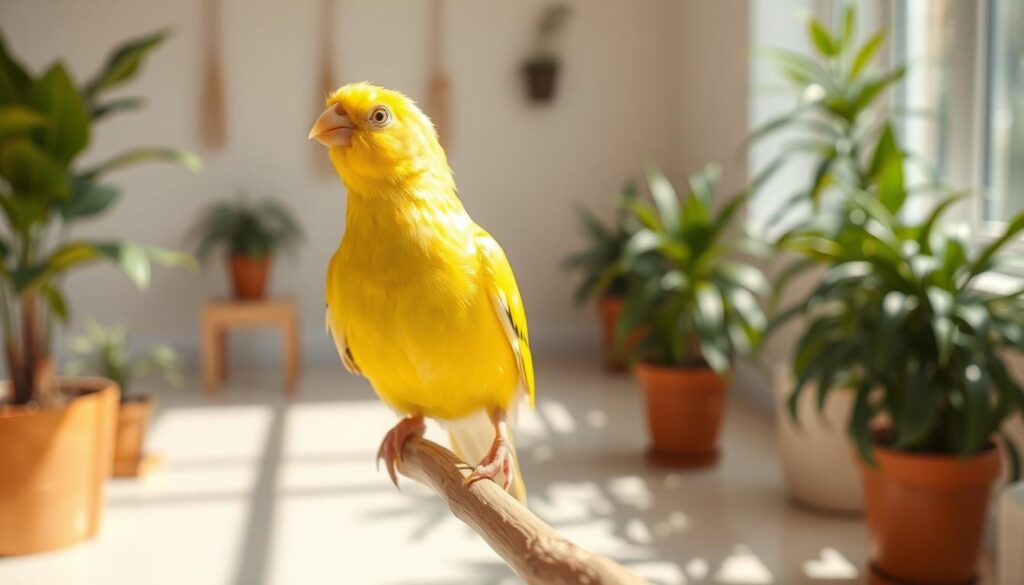
For those interested in breeding canaries, it’s essential to start with a solid foundation in the basics. Breeding canaries can be a rewarding experience, but it requires careful planning and attention to detail to ensure the health and well-being of the birds.
Step1: Preparing for Breeding Season
Preparing for the breeding season involves several key steps. First, consider the timing, as canaries typically breed in the spring. Conditioning your birds with a nutritious diet rich in proteins and vitamins is crucial. Additionally, provide appropriate nest materials such as coconut fiber or moss.
Timing, Conditioning, and Nest Materials
Ensure that your canaries are in top condition by providing a balanced diet and a clean, stress-free environment. The right nest materials will encourage the female to build a nest, signaling the start of the breeding process.
Step2: Selecting and Pairing Compatible Birds
Selecting the right pair is critical for successful breeding. Consider genetic considerations to avoid inbreeding and ensure the offspring have desirable traits. Conduct health checks on both birds to confirm they are free from diseases.
Genetic Considerations and Health Checks
Understanding the genetic makeup of your canaries can help you predict the traits of their offspring. Regular health checks are vital to prevent the passing on of diseases.
Step3: Supporting the Nesting Process
Once the pair is formed and the nest is built, support the egg laying and incubation process by maintaining a stable environment. Minimize disturbances near the cage to reduce stress.
Egg Laying and Incubation
The female canary will lay eggs in the nest, typically 3-5 eggs per clutch. Both parents may take turns incubating the eggs, depending on the breed.
Step4: Caring for Canary Chicks
After the eggs hatch, caring for the chicks involves hand-feeding and monitoring their growth. Gradually introduce weaning techniques as they mature.
Hand-Feeding and Weaning Techniques
Hand-feeding may be necessary if the parents are unable to feed the chicks adequately. Weaning should start when the chicks are around 4-6 weeks old, gradually introducing them to solid foods.
| Breeding Stage | Key Activities | Timeline |
|---|---|---|
| Pre-breeding | Conditioning, Nest Preparation | 2-4 weeks before breeding |
| Breeding | Pairing, Nesting | Spring season |
| Incubation | Egg sitting, Minimizing disturbances | 12-14 days |
| Chick rearing | Hand-feeding, Weaning | 4-6 weeks |
Breeding canaries is a complex process, but with the right knowledge and preparation, it can be a highly rewarding hobby. By following these steps and providing the necessary care, you can successfully propagate your favorite canary breeds.
Conclusion: Enjoying the Beauty and Song of Your Canary
As you’ve learned throughout this article, canaries bring immense joy and beauty to any home. By understanding the different breeds, such as the melodious Roller Canaries and the vibrant Red Factor Canaries, you can choose the perfect companion that suits your lifestyle. Proper care, including a balanced diet and a well-maintained habitat, is crucial for enjoying canaries and appreciating their canary beauty and canary song.
With the right training and attention, your canary will thrive, filling your home with sweet melodies. By following the guidelines outlined in this article, you’ll be well on your way to creating a happy and healthy environment for your feathered friend. As you enjoy your canary’s song and appreciate its beauty, you’ll find that owning a canary is a rewarding experience that brings serenity and joy to your daily life, allowing you to fully enjoy your canaries.