Cat Adoption Guide: Everything You Need to Know Before Bringing a Cat Home
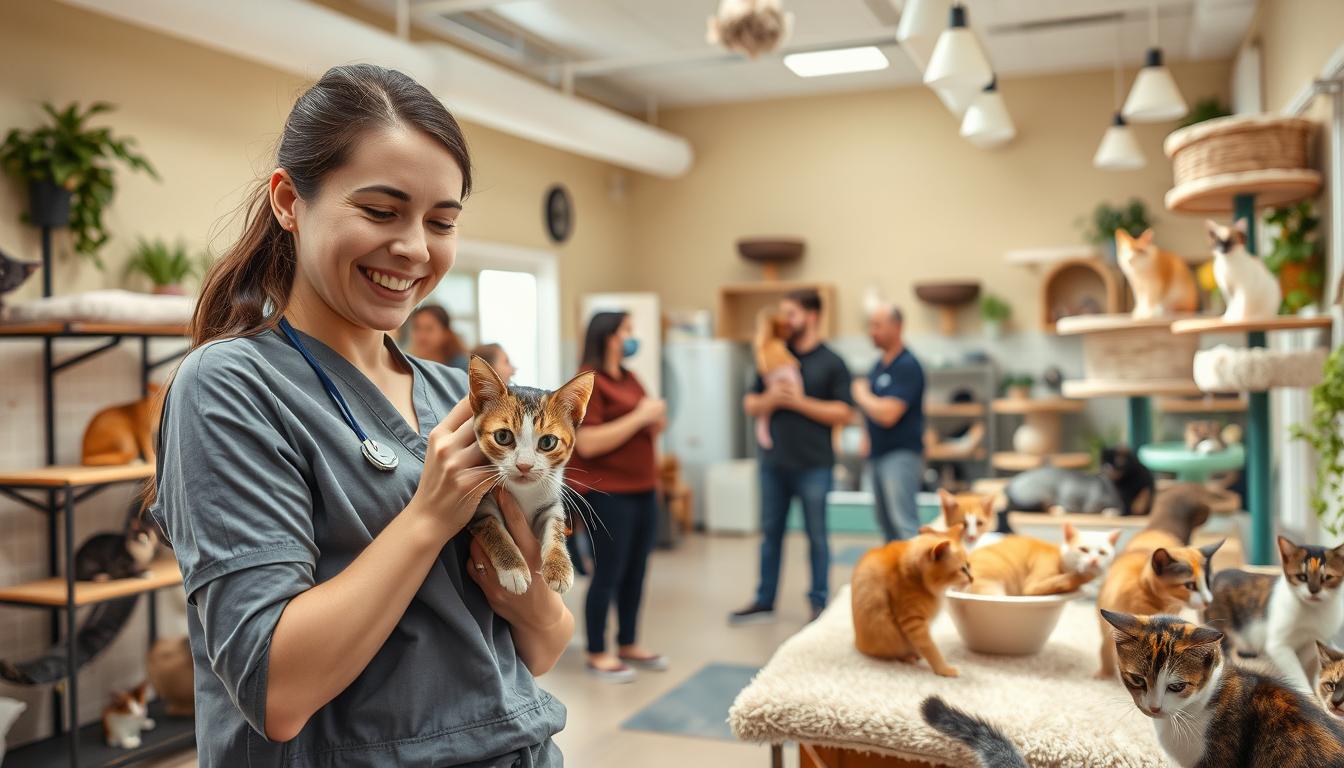
Table of Contents
Are you thinking of adopting a cat? Bringing a new pet into your home can be a life-changing decision, filled with joy and companionship. However, it’s essential to be prepared for the responsibilities that come with cat ownership.
Before you decide to adopt a cat, consider the needs of your future pet, from nutrition and health care to socialization and environment. This guide will walk you through the cat adoption process, ensuring you’re well-prepared to provide a loving home.
Why Consider Bringing a Cat Into Your Home
Welcoming a cat into your life not only enriches your home but also your heart. Cats can bring immense joy, companionship, and a sense of responsibility to your daily life. As you consider adopting a cat, it’s essential to understand the benefits and commitments involved.
Benefits of Adopting vs. Buying
Adopting a cat from a shelter or rescue organization has numerous benefits over buying from a breeder or pet store. By adopting, you’re not only giving a loving home to a cat in need but also opening up a space in the shelter for another cat. Additionally, adoption often includes initial vaccinations and spaying/neutering, which can be cost-effective. Here are some key benefits:
- Saving a Life: You’re literally saving the life of a cat that might otherwise be euthanized due to overcrowding in shelters.
- Variety: Shelters have a wide range of ages, breeds, and mixes, so you’re likely to find a cat that fits your lifestyle.
- Initial Costs Covered: Many shelters include initial vaccinations, microchipping, and spaying/neutering in the adoption fee.
The Lifelong Commitment of Cat Ownership
Adopting a cat is a lifelong commitment. Cats can live up to 15-20 years or more, requiring a long-term dedication to their care. This includes providing regular veterinary check-ups, a nutritious diet, and a loving environment. Before adopting, consider whether your lifestyle can accommodate the needs of a cat over its lifetime. Key aspects to consider include:
- Financial Commitment: Owning a cat comes with ongoing expenses, including food, litter, and veterinary care.
- Time and Attention: Cats require attention and interaction. While they’re often independent, they need time with you to stay happy and healthy.
- Planning for the Future: Consider how you’ll care for your cat during vacations, moves, or other life changes.
Understanding the Cat Adoption Process
Understanding the cat adoption process is crucial for a smooth transition for both you and your new pet. Adopting a cat is a rewarding experience, but it involves several steps that help ensure the best match between you and your future companion.
What to Expect When Adopting
When you decide to adopt a cat, you typically start by visiting an animal shelter or a rescue organization’s website to view available cats. Many organizations have an online adoption application that you can fill out to express your interest in a particular cat. After submitting your application, you will usually be contacted by an adoption counselor to discuss your lifestyle, experience with cats, and what kind of cat would be a good fit for you.
The next step often involves meeting the cat you’re interested in. This could happen at the shelter or through a meet-and-greet at a private location. It’s an opportunity for you to see how you and the cat interact. If it’s a good match, the adoption process continues with the necessary paperwork.
Required Documentation and Fees
The adoption process requires certain documentation and involves fees. Typically, you’ll need to provide identification and proof of address. Some shelters may also ask for veterinary references, especially if you’re adopting an adult cat or have previously owned cats.
Adoption fees vary widely depending on the organization, the cat’s age, and its health status. These fees often include initial vaccinations, spaying or neutering, and microchipping. The cost can range from $50 to $200 or more. It’s a good idea to ask what services are included in the adoption fee to understand the value you’re receiving.
Where to Find Cats for Adoption
Adopting a cat is a rewarding experience, and the first step is discovering where to find your new friend. There are several places where you can find cats waiting for a forever home. You can explore local options, specialized groups, and online resources to find the perfect companion.
Animal Shelters and Rescue Organizations
Local animal shelters and rescue organizations are excellent places to start your search for a cat to adopt. These shelters have a wide range of cats and kittens, and the staff can often provide valuable insights into the personalities and needs of the animals. By visiting a shelter, you can interact with the cats and find a connection with the one that’s right for you.

Cat-Specific Rescue Groups
Cat-specific rescue groups are dedicated to finding homes for cats in need. These groups often work with local shelters and foster homes to care for cats until they are adopted. They can provide detailed information about the cat’s background, temperament, and health, making it easier for you to make an informed decision.
Online Adoption Resources
The internet is a valuable tool in your search for a cat to adopt. Websites like Petfinder allow you to search for adoptable cats in your area. You can filter your search based on factors like location, age, and breed, making it easier to find a cat that fits your lifestyle. Additionally, many shelters and rescue groups have their own websites where they list available cats.
Choosing the Right Cat for Your Lifestyle
The journey to finding the perfect cat begins with understanding your lifestyle and what you’re looking for in a feline friend. When you adopt a cat, you’re not just bringing home a pet; you’re introducing a new member into your family. This decision requires careful consideration to ensure a harmonious home for both you and your cat.
Kitten vs. Adult Cat
One of the first decisions you’ll need to make is whether to adopt a kitten or an adult cat. Kittens are playful, energetic, and require more training and socialization. They are also more demanding in terms of time and resources. Adult cats, on the other hand, are often already litter trained and may be less energetic, making them a great choice for those with a busier lifestyle.
Considering Personality and Energy Levels
It’s crucial to consider the personality and energy levels of the cat you’re interested in adopting. If you’re an active person, a more energetic cat might be a great match. Conversely, if you prefer a quieter home, a cat with a more laid-back personality could be more suitable. Cat adoption agencies can often provide valuable insights into a cat’s personality, helping you make a more informed decision.
Special Needs and Senior Cats
Some cats have special needs or are seniors, requiring extra care and attention. While these cats may need more from you, they can also provide immense joy and companionship. Understanding the needs of these cats is crucial before making a decision.
Meeting Cats and Making Your Decision
Once you’ve considered your lifestyle and the type of cat that would be a good fit, it’s time to meet the cats. Interacting with cats at shelters or through cat adoption agencies will give you a better sense of their personalities and help you find the perfect companion. Take your time, and don’t hesitate to ask staff or volunteers about the cats’ backgrounds and needs.
By carefully considering these factors, you’ll be well on your way to finding a cat that’s perfectly suited to your lifestyle, ensuring a happy and fulfilling relationship for years to come.
Essential Supplies for Your New Cat
When you decide to adopt a shelter cat, it’s crucial to be prepared with the right supplies to ensure a smooth transition for your new pet. Having the necessary items on hand will help your cat feel comfortable and secure in their new environment.
Food and Nutrition Basics
One of the first things you’ll need is high-quality cat food. Consider your cat’s age, dietary needs, and preferences when selecting a food. It’s also a good idea to ask the shelter or rescue organization about the cat’s current diet to ensure a seamless transition.
Litter Box Setup and Supplies
A litter box, litter, and a scoop are essential for your cat’s hygiene. Choose a litter that your cat is comfortable with, and consider a litter box with low sides for easy access. You’ll also need a safe place to store the litter and cleaning supplies.
Beds, Carriers, and Comfort Items
Provide a comfortable bed or bedding area for your cat to rest. A carrier will be necessary for trips to the vet, and comfort items like familiar blankets or toys can help reduce your cat’s stress.
Toys and Enrichment
Toys and enrichment activities are vital for your cat’s mental and physical health. Choose a variety of toys that encourage play and exploration, and consider puzzle toys or interactive games for mental stimulation.
By having these essential supplies in place, you’ll be well-prepared to welcome your new cat into your home and provide a happy, healthy life for your new companion.
Preparing Your Home for Cat Adoption
Before bringing a new rescue cat or shelter cat home, it’s essential to prepare your living space to ensure a smooth transition for both you and your new pet. This involves taking a few steps to make your home safe and welcoming for your new companion.
Cat-Proofing Your Living Space
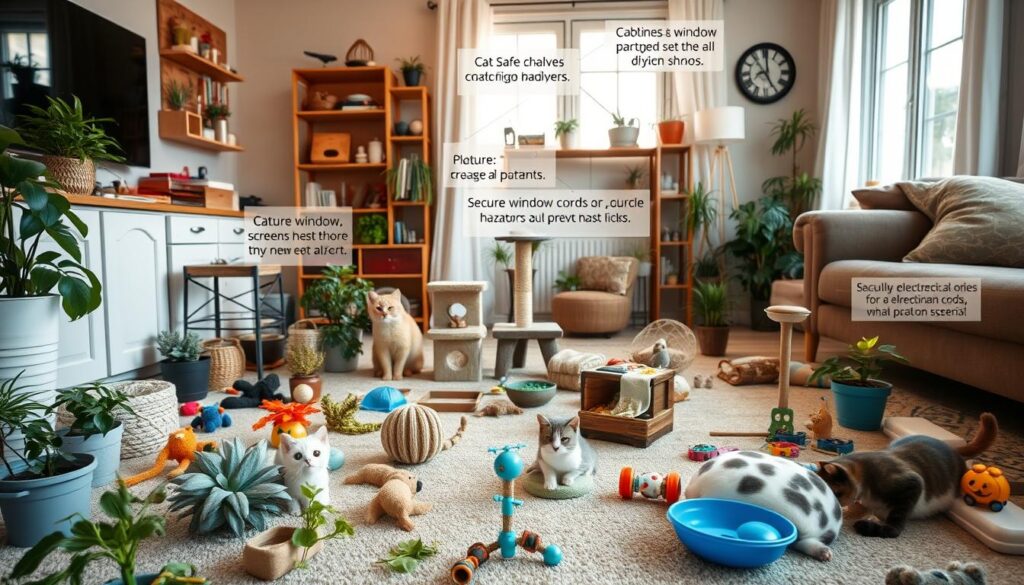
Cat-proofing is crucial to prevent accidents and damage to your belongings. Start by securing loose wires, toxic substances, and fragile items out of reach. Consider using cord protectors or securing them with tape to prevent your cat from chewing on them. Also, be mindful of toxic plants; some common household plants are toxic to cats, so it’s best to remove them or place them in a secure location.
Creating Safe Spaces for Your New Cat
Creating safe spaces for your cat is vital for their comfort and stress reduction. Designate a quiet area where your cat can retreat when feeling overwhelmed. This could be a cozy corner with a comfortable bed or a cat tree. Make sure this area is easily accessible and free from drafts or loud noises. Providing multiple hiding spots and vertical spaces can also help your cat feel secure and in control.
Multi-Pet Household Considerations
If you have other pets in the household, it’s crucial to consider their dynamics when introducing a new cat. Start by keeping the pets separated and allowing them to become familiar with each other’s scents and sounds before a face-to-face meeting. Use phased introductions, and monitor their behavior closely to avoid conflicts. Ensuring each pet has its own space and resources can also reduce tension and promote a harmonious home.
| Preparation Task | Description | Importance Level |
|---|---|---|
| Securing Loose Wires | Prevent electrical shock or chewing damage | High |
| Removing Toxic Substances | Prevent poisoning | High |
| Creating Safe Spaces | Reduce stress and provide comfort | Medium |
| Phased Introductions to Other Pets | Reduce conflict and stress among pets | High |
The First Days With Your Newly Adopted Cat
The first few days with your newly adopted cat are crucial for setting the tone for a happy and healthy relationship. As you welcome your new companion into your home, it’s essential to prioritize their comfort, safety, and well-being.
Transportation Tips
Transporting your newly adopted cat home requires careful planning. Use a secure, well-ventilated carrier to keep your cat safe during the journey. Minimize stress by covering the carrier with a towel or blanket and keeping the environment quiet.
Here are some tips for a smooth ride:
- Keep the carrier stable and secure.
- Avoid sudden movements or loud noises.
- Consider having someone accompany you to help soothe the cat.
Establishing Routines
Establishing a routine helps your cat feel secure and develop trust. Start by setting a regular schedule for feeding, playtime, and sleep. Consistency is key to helping your cat adjust to their new environment.
A good routine includes:
- Feeding times that are consistent and predictable.
- Play sessions that stimulate mental and physical health.
- A quiet, comfortable space for rest.
Signs of Stress and How to Help
Cats often exhibit signs of stress when adjusting to a new home. Common indicators include hiding, decreased appetite, or increased vocalization. Monitor your cat’s behavior closely and take steps to alleviate stress.
To help reduce stress:
- Provide a safe, quiet space for your cat to retreat to.
- Minimize changes to their environment.
- Use pheromone products designed to calm cats.
Building Trust and Bonding
Building trust with your newly adopted cat takes time and patience. Start with gentle interactions, such as soft spoken words and slow movements. Let your cat initiate contact to foster a sense of security and trust.
Some ways to build trust include:
- Offering treats to associate positive experiences with your presence.
- Engaging in play to create a bond.
- Gently petting or stroking your cat when they seem receptive.
Long-Term Care After Cat Adoption
Once you’ve adopted a shelter cat, the next step is to provide a nurturing environment that supports their overall well-being. Long-term care involves several key aspects, including regular veterinary check-ups, a balanced diet, and a safe living space.
Finding a Veterinarian
Finding the right veterinarian is crucial for your cat’s health. Look for a vet who is experienced in caring for cats, especially those from shelters who may have unique health needs. Ask for referrals from friends, family, or the cat adoption agency to find a trusted professional.
You can also check online reviews or ask local pet supply stores for recommendations. Ensure the vet clinic is clean, well-organized, and that the staff is friendly and knowledgeable.
Vaccination and Healthcare Schedule
Your veterinarian will help you establish a vaccination and healthcare schedule tailored to your cat’s needs. Typically, this includes initial vaccinations, followed by boosters, and regular check-ups. Preventive care such as parasite control and dental care are also essential.
| Age | Vaccination | Check-up |
|---|---|---|
| 0-6 months | Initial vaccinations | Monthly |
| 6-12 months | Booster shots | Every 2 months |
| 1+ years | Annual vaccinations | Annually |
Grooming and Maintenance Needs
Grooming is an essential part of cat care. Depending on your cat’s coat type, they may require regular brushing to prevent matting and tangling. Nail trimming and ear cleaning are also important for their overall health.
For cats with long hair, daily grooming is recommended. Short-haired cats may require less frequent grooming, but it’s still important to check their coat condition regularly.
Common Health Issues to Watch For
Cats can be prone to certain health issues, such as urinary tract infections, dental problems, and obesity. Monitoring your cat’s behavior and health closely can help identify these issues early.
“Regular veterinary check-ups and a healthy lifestyle can significantly reduce the risk of common health issues in cats.”
Keep an eye out for signs of illness, such as changes in appetite, vomiting, or lethargy, and consult your veterinarian if you have any concerns.
Conclusion
As you’ve learned throughout this cat adoption guide, bringing a new cat into your home is a significant decision that requires careful consideration and preparation. By understanding the cat adoption process, choosing the right cat for your lifestyle, and preparing your home, you can ensure a smooth transition for both you and your new pet.
Rescue cats, in particular, can bring immense joy and companionship into your life. By adopting from shelters or rescue organizations, you’re not only giving a loving home to a cat in need but also opening up a space for another cat to be saved.
As you move forward with cat adoption, remember that responsible cat ownership is a lifelong commitment. With the right mindset and preparation, you’ll be well on your way to creating a happy and healthy home for your new feline friend.