Cat Breeds List: Everything You Need to Know About Popular Breeds
Table of Contents
Are you considering bringing a new feline friend into your family? With so many popular cat breeds out there, it can be challenging to decide which one is right for you.
This article will provide you with a comprehensive overview of the most popular cat breeds, including their characteristics, temperaments, and grooming needs.
Whether you’re a seasoned cat owner or a newcomer to the world of feline companionship, this guide will help you navigate the diverse world of cat breeds and make an informed decision.
Understanding the World of Cat Breeds
As you explore the diverse world of cats, understanding the different breeds becomes essential. The world of cat breeds is complex, with various factors distinguishing one breed from another.
Domestic vs. Purebred Cats
The terms “domestic cat” and “purebred cat” are often used, but they signify different categories. Domestic cats refer to cats of mixed or unknown ancestry, commonly found in households. In contrast, purebred cats have a documented pedigree and belong to a recognized breed. Purebred cats are bred to maintain specific traits and characteristics, making them unique.
Cat Breed Registries and Standards
Cat breed registries, such as the International Cat Association (TICA) and the Cat Fanciers’ Association (CFA), play a crucial role in maintaining breed standards. These organizations establish guidelines for breeders, outlining the ideal characteristics for each breed. According to the CFA, “breed standards are the blueprint for breeders to follow, ensuring the continuation of breed traits.”
“Breed standards serve as a guide for breeders, judges, and owners to understand the characteristics of each breed.”
By adhering to these standards, breeders can ensure that their cats conform to the expected physical and behavioral traits of their respective breeds.
How to Identify Different Cat Breeds
To determine your cat’s breed, you need to observe its physical and behavioral characteristics. Identifying different cat breeds involves a combination of understanding breed standards and recognizing the unique traits of your cat.
Physical Characteristics to Look For
Physical characteristics are a crucial aspect of identifying cat breeds. You should examine your cat’s coat type, color, and pattern, as well as its body size and shape. For instance, some breeds have a muscular build, while others are slender. The shape of the ears, eyes, and tail can also be breed-specific.
| Breed | Coat Type | Body Size | Ear Shape |
|---|---|---|---|
| Siamese | Short, fine | Sleek, muscular | Large, pointed |
| Maine Coon | Long, flowing | Large, muscular | Tufted |
| British Shorthair | Short, dense | Sturdy | Short, broad |
Behavioral Traits as Breed Indicators
Besides physical characteristics, behavioral traits can also indicate a cat’s breed. Some breeds are known for their playfulness and energy levels, while others are more laid-back and affectionate. For example, Ragdolls are known for their tendency to go limp when picked up, showcasing their affectionate nature. Understanding these behavioral patterns can help you identify your cat’s breed.
Most Popular Cat Breeds in America
America is home to a diverse range of cat breeds, but some stand out as the most popular among cat fanciers. These breeds have gained widespread recognition due to their unique characteristics, temperament, and charm.
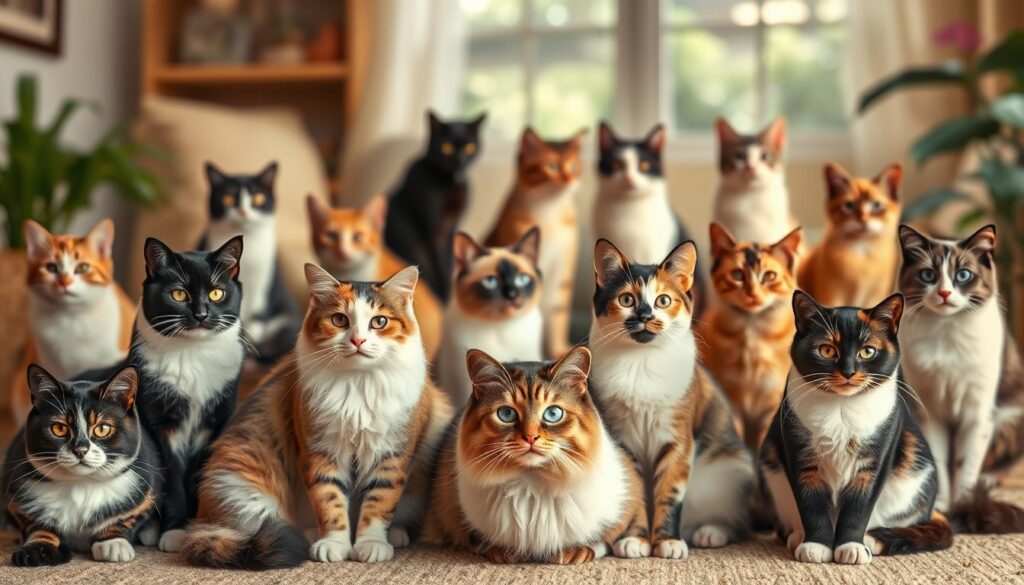
The popularity of cat breeds can vary by region, but certain breeds consistently top the lists across the country. Here are some of the most beloved breeds in America.
American Shorthair
The American Shorthair is known for its sturdy build and short, dense coat. This breed is highly adaptable and has a friendly temperament, making it an excellent choice for families.
Maine Coon
The Maine Coon is one of the largest domesticated breeds, with a distinctive shaggy coat and a friendly, outgoing personality. They are highly intelligent and often described as “dog-like” in their behavior.
Ragdoll
Ragdolls are known for their soft, silky coats and their tendency to go limp when picked up, hence the name. They are affectionate and laid-back, making them ideal for households seeking a low-maintenance yet loving pet.
Siamese
The Siamese breed is recognized by its striking blue eyes and pointy coat pattern. Siamese cats are outgoing, vocal, and highly social, often forming strong bonds with their owners.
Persian
Persians are one of the most recognizable breeds due to their long, flowing coats and flat faces. They are generally calm and gentle, requiring regular grooming to prevent matting.
These popular breeds offer a range of characteristics that cater to different lifestyles and preferences. Whether you’re looking for a playful companion or a laid-back pet, there’s a breed that’s sure to fit your needs.
- American Shorthair: Friendly, adaptable
- Maine Coon: Intelligent, outgoing
- Ragdoll: Affectionate, laid-back
- Siamese: Vocal, social
- Persian: Calm, gentle
Exotic and Rare Cat Breeds
Beyond the familiar faces of popular cat breeds lies a diverse range of exotic and rare cats that captivate with their distinct features. If you’re looking to bring a unique companion into your home, exploring these lesser-known breeds can be a rewarding experience.
Sphynx
The Sphynx is known for its sleek, hairless body. Despite their lack of fur, they require regular grooming to maintain the health of their skin. Their affectionate and playful nature makes them a great companion for those willing to care for their specific needs.
Scottish Fold
The Scottish Fold is easily recognizable due to its folded ears, a result of a natural mutation. They are known for their gentle and affectionate personalities, making them a popular choice among those who appreciate their unique appearance.
Devon Rex
With their curly, soft coat, the Devon Rex stands out among other breeds. Their intelligence and active nature mean they require stimulation and engagement to prevent boredom.
Savannah
The Savannah is a hybrid breed, resulting from the cross between a domestic cat and a serval. Their striking appearance and energetic nature make them a fascinating pet for experienced owners.
Bengal
Bengals are known for their vibrant, spotted or marbled coat. They are energetic and intelligent, requiring active owners who can provide the necessary stimulation and exercise.
Each of these exotic and rare breeds offers a unique companionship experience. Whether you’re drawn to the hairless Sphynx or the energetic Bengal, there’s a rare breed out there for those willing to provide the right care and attention.
Cat Breeds Best for Families and Children
If you’re looking for a cat that’s great with children, certain breeds are known for their kid-friendly nature. These breeds are not only affectionate and gentle but also energetic enough to keep up with the lively atmosphere of a household with kids.
Kid-Friendly Breeds
Some cat breeds are particularly noted for their compatibility with children. These include:
- The Ragdoll, known for its affectionate and docile nature.
- The Maine Coon, which is large, gentle, and great with kids.
- The British Shorthair, easy-going and not easily irritated.
These breeds tend to be more patient and can tolerate the sometimes rough handling of children, making them ideal for family pets.
Breeds That Thrive in Active Households
For families who lead an active lifestyle, there are cat breeds that can match their energy levels. These include:
| Breed | Characteristics |
|---|---|
| Bengal | Energetic, playful, and always on the go. |
| Abyssinian | Active, curious, and loves to interact. |
| Siamese | Extroverted, demanding attention, and very vocal. |
These breeds require stimulation and activity to prevent boredom and destructive behavior, making them perfect for families who enjoy outdoor activities or have large living spaces.
Hypoallergenic Cat Breeds for Allergy Sufferers
If you’re allergic to cats but still want to bring one home, understanding hypoallergenic breeds is crucial. While no cat is 100% allergen-free, certain breeds produce fewer allergens than others, making them a better choice for those with allergies.
Understanding Cat Allergies
Cat allergies are triggered by the protein Fel d 1 in a cat’s saliva and skin. When cats groom, they deposit this protein onto their fur, which then becomes airborne and can be inhaled by humans. People with allergies react to this protein, experiencing symptoms like sneezing, itching, and congestion.
Reducing allergens involves regular grooming and bathing of the cat, frequent vacuuming, and using HEPA filters to clean the air. However, for some, these measures may not be enough.
Best Breeds for Minimizing Allergic Reactions
Some cat breeds are known to produce fewer allergens or have a lower amount of the Fel d 1 protein. Here’s a comparison of some popular hypoallergenic breeds:
| Breed | Allergen Level | Grooming Needs |
|---|---|---|
| Sphynx | Low | High |
| Devon Rex | Low | Medium |
| Russian Blue | Low | Low |
| Bengal | Medium | Medium |
| Balinese | Low | High |
When choosing a hypoallergenic breed, consider factors beyond just allergen production, such as grooming needs and your lifestyle. It’s also important to spend time with a breed before committing to ownership to gauge your allergic reaction.
How to Choose the Right Cat Breed for Your Lifestyle
Selecting a cat breed that fits your lifestyle is essential to ensure a happy and healthy relationship between you and your pet. With numerous breeds to choose from, understanding your living situation, the amount of time you can dedicate to your cat, and your personality type will guide you in making the right decision.
Assessing Your Living Situation
Your living situation is a critical factor in choosing the right cat breed. If you reside in a small apartment, a high-energy breed that requires a lot of space to roam may not be the best fit. Conversely, if you have a spacious home, a breed that is active and enjoys exercising might be ideal. Consider the following factors:
- Space available for your cat to roam and exercise
- Whether you have a quiet or busy household
- The presence of other pets or children
Considering Time Commitment and Care Requirements
Different cat breeds have varying needs when it comes to grooming, exercise, and attention. Some breeds are low maintenance, while others require a significant time commitment. For instance, long-haired breeds need regular grooming to prevent matting, whereas short-haired breeds are generally easier to care for. Consider your daily schedule and whether you can meet the needs of a particular breed.
Key considerations include:
- Grooming needs
- Exercise requirements
- Need for attention and interaction
Matching Personality Types with Breed Characteristics
Just like humans, cats have unique personalities, and certain breeds are known for specific traits. If you’re an active person, a playful and energetic breed might be a great match. If you’re looking for a more laid-back companion, a breed known for being calm and affectionate could be ideal. Researching breed characteristics can help you find a cat that complements your personality.
Some key personality traits to consider include:
- Playfulness and energy level
- Affectionateness and social behavior
- Independence and adaptability
Caring for Different Cat Breeds
Caring for your cat involves more than just feeding and shelter; it requires understanding their breed-specific needs. Different cat breeds have unique characteristics that influence their care requirements.
Grooming Requirements by Coat Type
The grooming needs of your cat largely depend on their coat type. For instance, long-haired breeds like Persians require regular brushing to prevent matting, while short-haired breeds like the American Shorthair need less frequent grooming. Understanding your cat’s coat type is key to maintaining their overall health and appearance.
Exercise Needs for Active vs. Laid-back Breeds
Cat breeds vary significantly in their exercise needs. Active breeds like the Bengal require plenty of playtime and stimulation to keep them engaged, whereas laid-back breeds like the British Shorthair are more sedentary and need less exercise. Tailoring your cat’s activity level to their breed ensures they stay healthy and happy.
Dietary Considerations for Specific Breeds
Dietary needs can also differ among cat breeds. Some breeds, such as the Maine Coon, may require more calories due to their large size, while others, like the Sphynx, may need a diet that supports their skin health. Understanding these dietary requirements helps in choosing the right food for your cat.
Common Health Concerns in Different Cat Breeds
Understanding the health concerns linked to various cat breeds can help you make an informed decision when choosing your pet. Different cat breeds have unique health challenges that prospective owners should be aware of.
Genetic Health Issues to Be Aware Of
Certain cat breeds are prone to specific genetic health issues. For instance, rare cat breeds like the Sphynx can be more susceptible to conditions such as hypertrophic cardiomyopathy due to their genetic makeup. Similarly, exotic cat breeds like the Bengal, known for their distinctive appearance, can be prone to certain genetic disorders.
| Breed | Common Health Issue |
|---|---|
| Sphynx | Hypertrophic Cardiomyopathy |
| Bengal | Patellar Luxation |
| Persian | Polycystic Kidney Disease |
Preventative Care for Breed-Specific Problems
Preventative care is crucial in managing breed-specific health issues. Regular veterinary check-ups and genetic testing can help identify potential problems early on. For example, breeds prone to heart conditions can benefit from regular cardiac evaluations.
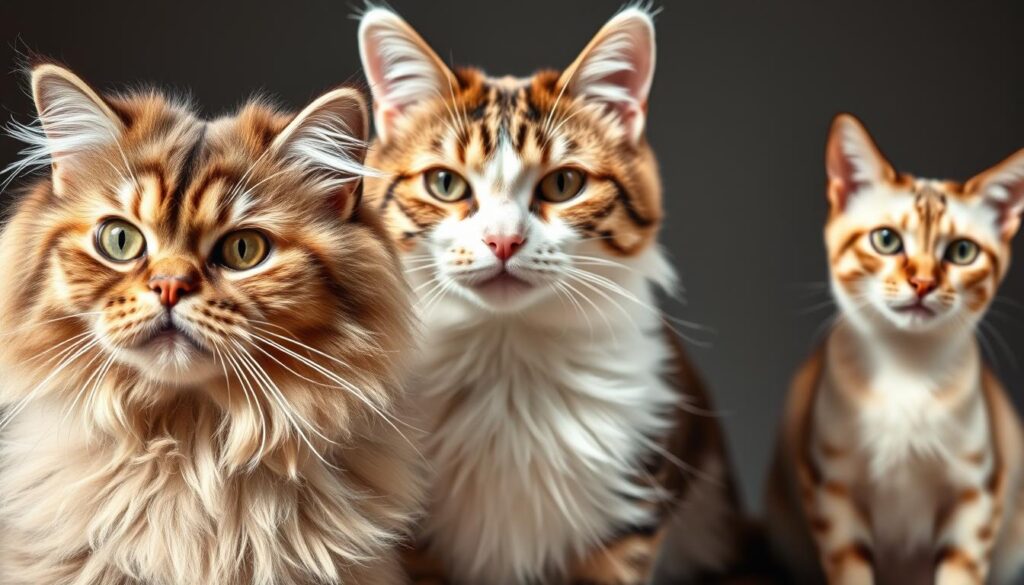
By being aware of these health concerns and taking proactive steps, you can help ensure your cat leads a healthy and happy life.
Where to Find Your Preferred Cat Breeds
With your chosen cat breed in mind, the journey to finding the perfect companion begins. You have two primary options: finding a reputable breeder or adopting from a shelter.
Finding Reputable Cat Breeders
When searching for a breeder, look for those who are registered with national or local cat breed associations. These organizations, such as the International Cat Association or the Cat Fanciers’ Association, provide guidelines for ethical breeding practices. A reputable breeder will also provide health clearances for the parents of the kitten you’re interested in, ensuring they are free from genetic disorders common to that breed. Visiting the breeder in person allows you to see the conditions in which the cats are kept and to meet the parents of your potential new pet.
Adopting Mixed-Breed Cats from Shelters
If you’re open to mixed-breed cats, shelters are a wonderful resource. Many shelters have cats that are a mix of various domestic cat breeds, offering a unique companion. Adopting from a shelter not only gives a loving home to a cat in need but also opens up a space for another cat. Shelters often have information about the cat’s personality and background, helping you find a cat that’s a great match for your lifestyle.
Conclusion: Finding Your Perfect Feline Companion
Now that you’ve explored the diverse world of cat breeds, you’re one step closer to finding your ideal feline friend. When choosing a cat breed, consider your lifestyle, living situation, and personal preferences to ensure a harmonious match. A cat breed comparison can help you weigh the pros and cons of different breeds.
Whether you’re drawn to the majestic Maine Coon or the sleek Siamese, understanding the characteristics of various breeds is crucial. Researching the best cat breeds for your needs will lead to a more fulfilling companionship. By considering factors such as grooming needs, exercise requirements, and temperament, you can make an informed decision.
Ultimately, the right cat breed will bring joy and companionship into your life. Take your time, and don’t hesitate to reach out to reputable breeders or shelters to find your perfect match.