Cat Food Guide: How to Choose the Best Nutrition for Your Cat

Table of Contents
Choosing the right cat food for your feline friend can be a daunting task. With numerous options available, it’s essential to understand what constitutes the best cat food for your cat’s specific needs.
As a cat owner, you want to ensure that your pet receives the best possible nutrition. Factors such as age, health conditions, and lifestyle play a significant role in determining the ideal nutrition for your cat.
By considering these factors and understanding the different types of cat food available, you can make an informed decision to provide your cat with the nutrients they need to thrive.
Understanding Your Cat’s Nutritional Needs
Understanding your cat’s nutritional needs is crucial for their overall health and wellbeing. Cats are obligate carnivores, requiring a diet rich in protein from animal sources. Their nutritional needs are complex and vary based on factors such as age, health, and lifestyle.
Essential Nutrients for Feline Health
Cats require specific nutrients to maintain optimal health. These include high-quality protein sources, such as chicken or salmon, and certain fats for energy and skin health. Vitamins and minerals like vitamin A, vitamin D, and calcium are also crucial for various bodily functions, including vision, immune function, and bone health.
Additionally, cats need certain amino acids, like taurine, which is found in animal-based ingredients. Ensuring your cat’s diet includes these essential nutrients is vital for their overall wellbeing.
How Age Affects Nutritional Requirements
A cat’s nutritional needs change as they age. Kittens require more protein and calories per pound of body weight than adult cats to support their rapid growth and development. As cats mature, their caloric needs may decrease, but their requirement for certain nutrients remains high.
Senior cats may have different needs again, often requiring fewer calories but potentially more of certain nutrients to support joint health or manage age-related conditions.
Special Dietary Considerations for Health Conditions
Cats with health conditions, such as diabetes or kidney disease, may require special diets tailored to their specific needs. For example, cats with kidney disease may benefit from a diet lower in protein and phosphorus. Consulting with a veterinarian is essential to determine the best diet for your cat’s health condition.
Organic cat food can be a good option for some cats, offering a diet free from certain artificial additives and pesticides. However, it’s crucial to ensure that any diet, organic or not, meets your cat’s nutritional needs.
Types of Cat Food: A Comprehensive Overview
When it comes to choosing the right cat food, understanding the different types available is crucial. Your cat’s nutritional needs can be met through various forms of food, each with its own set of benefits and drawbacks.
Wet Cat Food: Benefits and Drawbacks
Wet cat food is known for its high moisture content, which can be beneficial for your cat’s hydration. It often contains higher protein levels and can be more palatable for cats.
Hydration and Protein Content
The high moisture content in wet cat food can help maintain your cat’s urinary health and overall hydration. Additionally, wet food often has a higher protein content, which is essential for your cat’s muscle health.
Storage and Cost Considerations
While wet cat food offers several benefits, it can be more expensive than dry food and requires proper storage to maintain its quality. Once opened, it must be refrigerated and used within a few days.
Dry Cat Food: Advantages and Limitations
Dry cat food is a popular choice among cat owners due to its convenience and dental benefits. It can help reduce tartar and plaque on your cat’s teeth.
Convenience and Dental Benefits
Dry cat food is easy to store and can be left out for your cat to graze on throughout the day. Its abrasive texture helps clean your cat’s teeth, promoting better oral health.
Potential Moisture Concerns
One of the main drawbacks of dry cat food is its low moisture content, which can lead to dehydration if not balanced with other sources of hydration. Ensuring your cat always has access to fresh water is crucial.
Semi-Moist and Raw Food Options
Semi-moist and raw cat foods offer alternative options for cat owners looking for something different from traditional wet or dry food. Semi-moist food has a soft texture, while raw food is made from uncooked meat, bones, and organs.
These options can provide variety in your cat’s diet, but it’s essential to consult with a veterinarian before making any significant changes to ensure they meet your cat’s nutritional needs.
Decoding Cat Food Labels and Packaging
Decoding the labels on cat food packaging can seem daunting, but it’s a vital step in ensuring your cat’s nutritional needs are met. The information on these labels can help you make informed decisions about your cat’s diet.
Understanding Ingredient Lists and Order
The ingredient list on cat food labels is ordered by weight, with the heaviest ingredients listed first. This means that the first few ingredients are the most significant components of the food. Look for high-quality protein sources like chicken or salmon as the first ingredient. Be wary of fillers and by-products that may be listed as primary ingredients in lower-quality cat foods.
Nutritional Adequacy Statements and AAFCO Standards
Nutritional adequacy statements indicate whether the cat food meets the standards set by the Association of American Feed Control Officials (AAFCO). These standards ensure that the food provides a complete and balanced diet for your cat. Check for statements that indicate the food is “complete and balanced” for your cat’s life stage.
Guaranteed Analysis: What the Percentages Mean
The guaranteed analysis section provides the minimum or maximum percentages of certain nutrients in the cat food, such as crude protein, crude fat, and crude fiber. Understanding these percentages can help you compare different cat foods and ensure they meet your cat’s nutritional needs.
| Nutrient | Minimum Percentage | Maximum Percentage |
|---|---|---|
| Crude Protein | 30% | |
| Crude Fat | 20% | |
| Crude Fiber | 5% |

By understanding the information on cat food labels, you can make more informed decisions about your cat’s nutrition and choose a food that meets their needs.
Quality Ingredients to Look For in Cat Food
When selecting the best cat food, it’s crucial to examine the ingredients list for high-quality components. The nutritional value and overall health benefits of the food are directly related to the ingredients used.
High-Quality Animal Protein Sources
High-quality animal protein sources are essential for your cat’s diet. Look for named protein sources like chicken, salmon, or beef rather than generic terms like “meat” or “by-products.” These specific sources provide better nutritional value and are more easily digestible for cats.
- Named animal proteins (e.g., chicken, turkey)
- Fish and seafood (e.g., salmon, sardines)
- Organ meats (e.g., liver, heart)
Healthy Fats and Essential Fatty Acids
Healthy fats are crucial for maintaining your cat’s skin, coat, and overall health. Essential fatty acids, particularly omega-3 and omega-6, play a significant role in reducing inflammation and supporting heart health. Look for cat foods that include sources like salmon oil or flaxseed.
- Sources of omega-3 fatty acids (e.g., fish oil)
- Sources of omega-6 fatty acids (e.g., chicken fat, flaxseed)
Beneficial Vitamins, Minerals, and Supplements
Vitamins, minerals, and supplements can enhance your cat’s diet, supporting various bodily functions. Key nutrients include vitamin A for vision health, calcium for bone strength, and probiotics for digestive health. Ensure that the cat food you choose contains a balanced mix of these beneficial components.
- Vitamin A and E for antioxidant properties
- Calcium and phosphorus for bone health
- Probiotics for gut health
By focusing on these quality ingredients, you can provide your cat with a nutritious diet that supports their overall health and well-being, aligning with the principles of natural cat food and premium cat food standards.
Ingredients and Additives to Avoid in Your Cat’s Diet
As a responsible cat owner, understanding the ingredients and additives to avoid in cat food is essential for your pet’s well-being. The best cat food for your feline friend is one that is carefully formulated to exclude harmful substances and include only the nutrients they need.
When examining cat food labels, there are several types of ingredients and additives that you should be cautious about. These include common fillers and low-quality by-products, artificial preservatives, colors, and flavors, as well as potential allergens and sensitivities.
Common Fillers and Low-Quality By-products
Many cat foods contain fillers such as corn, wheat, and soy, which provide little to no nutritional value to your cat. These ingredients are often used to bulk up the food at a lower cost. Additionally, low-quality by-products, which can include parts of animals not typically considered edible, are also commonly found. Opting for cat food with named protein sources (e.g., chicken, salmon) and whole grains or vegetables can be a healthier choice.
- Avoid foods with generic terms like “meat” or “by-products.”
- Choose foods with specific named ingredients.
- Consider your cat’s individual needs and sensitivities.
Artificial Preservatives, Colors, and Flavors
Artificial preservatives are used to extend the shelf life of cat food, but some have been linked to health issues in cats. Similarly, artificial colors and flavors serve no nutritional purpose and can be harmful. Look for cat foods that use natural preservatives like vitamin E or C, and avoid those with artificial additives.
Some artificial additives to watch out for include:
- BHA, BHT, and ethoxyquin (preservatives)
- Artificial coloring
- Flavor enhancers
Potential Allergens and Sensitivities to Watch For
Cats, like humans, can develop allergies or sensitivities to certain ingredients. Common culprits include beef, dairy, and fish. If your cat exhibits symptoms like itching, digestive issues, or skin problems, consider a diet change to a hypoallergenic or novel protein source cat food.
“Food allergies in cats can manifest in various ways, including skin problems and gastrointestinal upset. Identifying and avoiding the allergenic ingredient is key to managing these conditions.”
By being mindful of the ingredients and additives in your cat’s food, you can make informed decisions that support their health and well-being. Always consult with your veterinarian if you suspect your cat has a food allergy or sensitivity.
Specialized Cat Food Options for Specific Needs
Catering to your cat’s specific needs can be achieved through various specialized cat food options. Whether your cat requires a particular diet due to health conditions or you simply want to provide the best nutrition possible, understanding these options is crucial.
Grain-Free Cat Food: Facts and Considerations
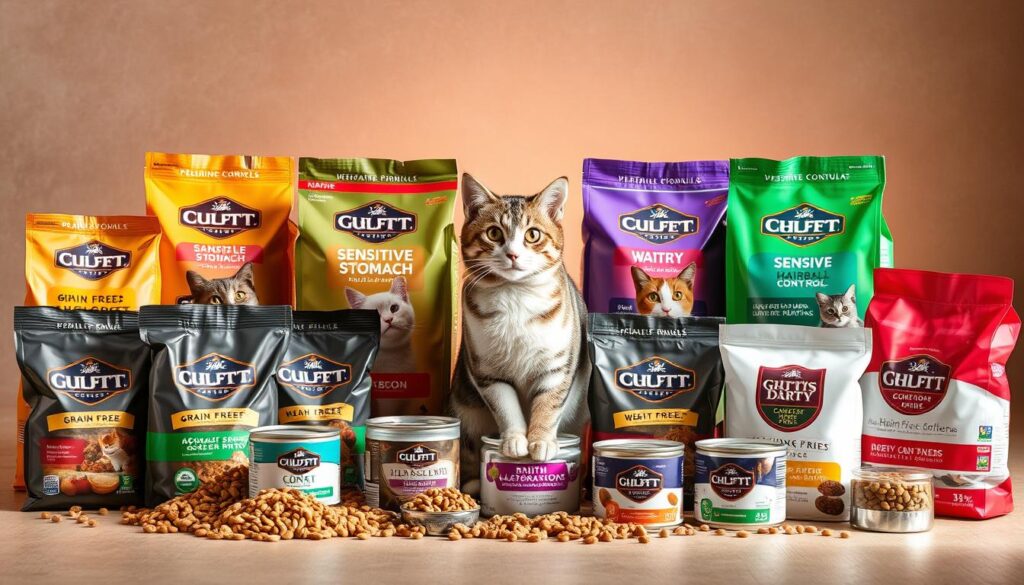
Grain-free cat food has gained popularity among pet owners, but it’s essential to understand its implications. Grain-free diets replace grains with other carbohydrate sources like potatoes or peas. While some cats may benefit from this, others may not require such a diet.
It’s crucial to consult with your veterinarian before switching to a grain-free diet, especially if your cat has specific health conditions. They can help determine if this diet is appropriate for your cat’s needs.
Organic and Natural Cat Food Benefits
Organic and natural cat foods are becoming increasingly popular due to their perceived health benefits. Organic cat food is made from ingredients that are free from synthetic fertilizers, pesticides, and other chemicals. Natural cat food, on the other hand, is defined by its minimal processing and lack of artificial ingredients.
These options can be beneficial for cats with sensitivities or allergies. However, it’s vital to read labels carefully, as terms like “natural” are not always strictly regulated.
Premium Cat Food: Analyzing the Value Proposition
Premium cat foods often boast higher-quality ingredients and more precise nutritional formulations. They may include novel protein sources, unique carbohydrates, and added supplements for enhanced health benefits.
While premium cat foods can offer superior nutrition, their higher cost may not always be justified for every cat. Evaluating your cat’s individual needs and consulting with a veterinarian can help determine if a premium food is worth the investment.
How to Transition Your Cat to New Food
Cats are known for their sensitivity to changes in their diet, making a gradual transition to new food crucial. Whether you’re switching to a different brand of cat food or introducing wet cat food into their diet for the first time, a well-planned transition is key to preventing digestive upset.
Creating a 7-10 Day Gradual Transition Plan
To transition your cat to new food, start by mixing a small amount of the new cat food with their current food. Gradually increase the proportion of new food to old food over a period of 7 to 10 days. This slow introduction helps your cat’s digestive system adjust to the change.
Monitoring Your Cat’s Response and Adjusting as Needed
During the transition, closely monitor your cat’s response to the new food. Watch for signs of digestive upset, such as vomiting or diarrhea. If you notice any adverse reactions, slow down the transition process or consult with your veterinarian for advice.
Troubleshooting Common Transition Issues
If your cat is particularly finicky or experiences significant digestive issues during the transition, consider adjusting the transition pace or seeking advice from a veterinarian. Sometimes, a different brand of cat food or a specific type, such as wet cat food, may be more suitable for your cat’s needs.
Feeding Guidelines and Best Practices for Cat Food
Establishing a feeding routine for your cat is crucial for maintaining their overall health and wellbeing. A well-structured feeding plan ensures that your cat receives the necessary nutrients for optimal health.
Determining Proper Portion Sizes Based on Weight and Activity
To determine the correct portion size for your cat, consider their weight, age, and activity level. For instance, premium dry cat food often provides guidelines on packaging. Adjust the serving size based on your cat’s individual needs to maintain a healthy weight.
Feeding Frequency and Scheduling for Different Life Stages
Cats have different nutritional needs at various life stages. Kittens require more frequent feeding, while adult cats may thrive on a twice-daily schedule. Consider your cat’s life stage when planning their feeding schedule.
Free Feeding vs. Measured Meals: Pros and Cons
Free feeding allows cats to eat at will, while measured meals involve portion control. Measured meals can help prevent overeating, especially with dry cat food, which can be high in calories if overconsumed. However, some cats prefer the freedom to graze throughout the day.
Ultimately, the best feeding approach depends on your cat’s individual needs, lifestyle, and preferences. Monitoring your cat’s health and adjusting their feeding plan as necessary is key to their overall wellbeing.
Conclusion: Making the Best Cat Food Choice for Your Feline Friend
Choosing the right cat food is crucial for your feline friend’s overall health and wellbeing. As discussed, understanding your cat’s nutritional needs, life stage, and health conditions is vital in making an informed decision.
When selecting a cat food, consider the type of food that suits your cat’s needs, whether it’s wet, dry, or a combination of both. Be sure to read labels carefully, looking for high-quality ingredients and avoiding fillers and by-products.
The best cat food for your cat will depend on their individual needs. By considering factors such as age, health conditions, and lifestyle, you can make an informed decision. With so many options available, it’s essential to consult with your veterinarian to determine the most suitable cat food for your feline companion.
By making an informed choice about your cat’s diet, you can help ensure they lead a healthy and happy life. With the right cat food, you can provide your cat with the necessary nutrients to thrive.