Cockatiel Breeds: Care Guide & Personality Traits
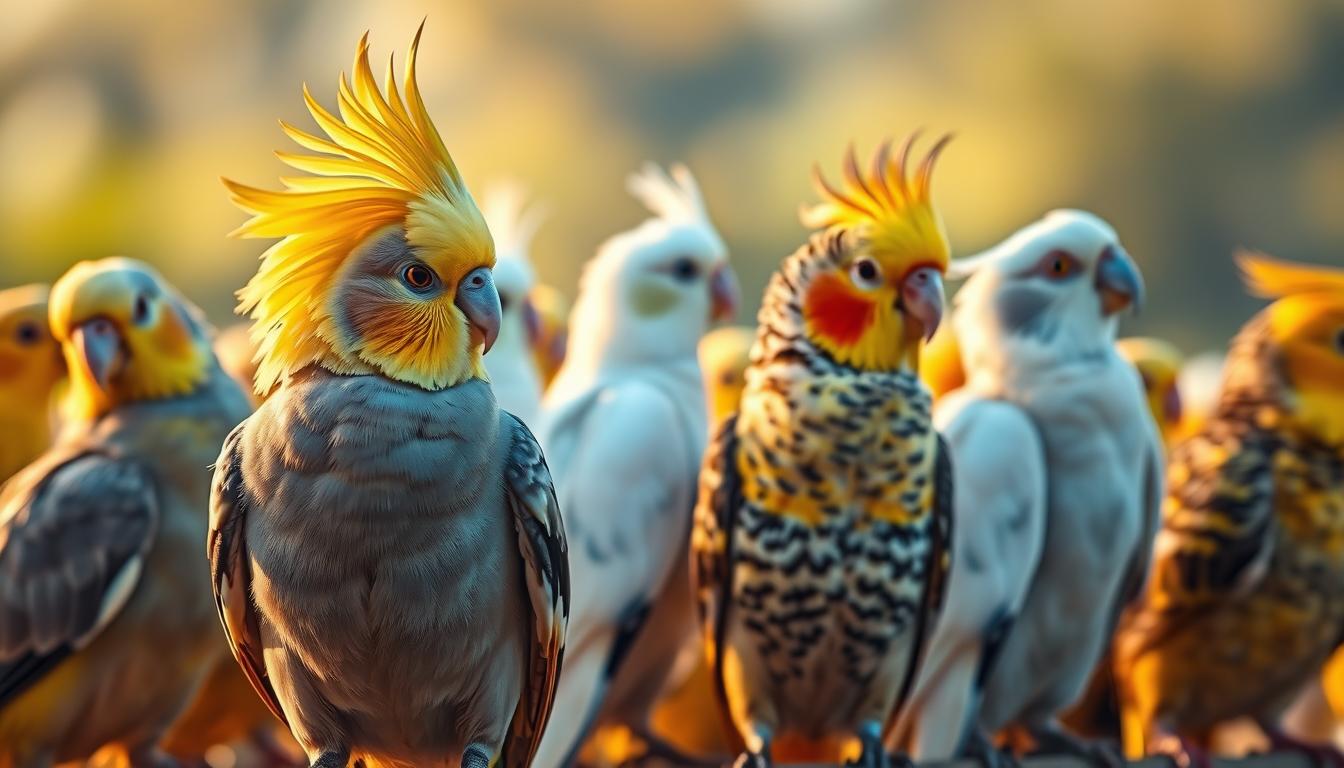
Table of Contents
You’re considering bringing a cockatiel into your home, or perhaps you’re already a proud owner looking to learn more about these wonderful birds. With their vibrant colors and charming personalities, it’s no wonder why cockatiels have become a popular pet choice.
Cockatiels come in a variety of breeds, each with its unique characteristics and traits. Understanding these differences is key to providing the best possible care for your feathered friend.
The Fascinating World of Cockatiels
The cockatiel, a bird known for its gentle crest and expressive eyes, has won the hearts of many with its affectionate nature. Native to Australia, these birds have adapted to various environments, showcasing their resilience and adaptability.
Origin and Natural Habitat
Cockatiels originate from the arid regions of Australia, where they inhabit areas with sparse vegetation and limited water sources. Their natural habitat has influenced their ability to survive with minimal water intake, making them relatively low-maintenance pets.
In the wild, cockatiels are known to flock together, often traveling long distances in search of food and water. This social behavior is a key aspect of their nature, highlighting their need for interaction and companionship.
Why Cockatiels Make Popular Pets
Cockatiels are popular pets due to their gentle, affectionate personalities and relatively small size. They are known to form strong bonds with their owners, often becoming integral members of the family.
- Their ability to mimic human speech and other sounds makes them entertaining companions.
- Cockatiels are relatively low-maintenance compared to other bird species, requiring less space and dietary variety.
- Their whistling and singing abilities add to their charm, providing a melodic backdrop to daily life.
Overall, the combination of their charming traits, intelligence, and adaptability makes cockatiels a beloved choice among bird enthusiasts, representing some of the most popular cockatiel varieties kept as pets.
Popular Cockatiel Breeds and Color Mutations
Cockatiel breeds and color mutations offer a fascinating glimpse into the genetic diversity of these birds. Over the years, breeders have selectively bred cockatiels to enhance and create a wide range of colors and patterns, making each bird unique.
Normal Grey (Wild Type)
The Normal Grey, or Wild Type, is the original coloration of cockatiels in the wild. They have a predominantly grey body with a white face and a distinctive crest. This natural coloration serves as the base for understanding other mutations.
Lutino Cockatiels
Lutino cockatiels are known for their striking yellow plumage and orange cheek patches. This mutation results from a lack of melanin, giving them a beautiful, pale appearance. Lutinos are popular pets due to their vibrant color.
Pearl Cockatiels
Pearl cockatiels display a unique pattern of pearling on their feathers, typically on the back, wings, and tail. This effect is due to the distribution of melanin, creating a speckled appearance. The pearling can fade as the bird matures.
Pied Cockatiels
Pied cockatiels have irregular patches of color on a predominantly white or yellow background. The extent of the pied marking can vary significantly, ranging from a few patches to a mostly colored bird with white or yellow patches.
Cinnamon Cockatiels
Cinnamon cockatiels exhibit a warm, brownish hue instead of the typical grey. This mutation affects the production of melanin, resulting in a softer, more muted coloration compared to the Normal Grey.
These popular color mutations not only add to the aesthetic appeal of cockatiels but also demonstrate the genetic flexibility of these birds. Whether you’re a seasoned breeder or a new pet owner, understanding these mutations can enhance your appreciation of these wonderful birds.
Rare and Specialty Cockatiel Varieties
Beyond the common cockatiel breeds, there exist rare and specialty varieties that showcase the diversity of these beloved birds. These unique cockatiels are prized for their distinct characteristics and genetic mutations, offering enthusiasts a chance to own a truly one-of-a-kind pet.
Whiteface Cockatiels
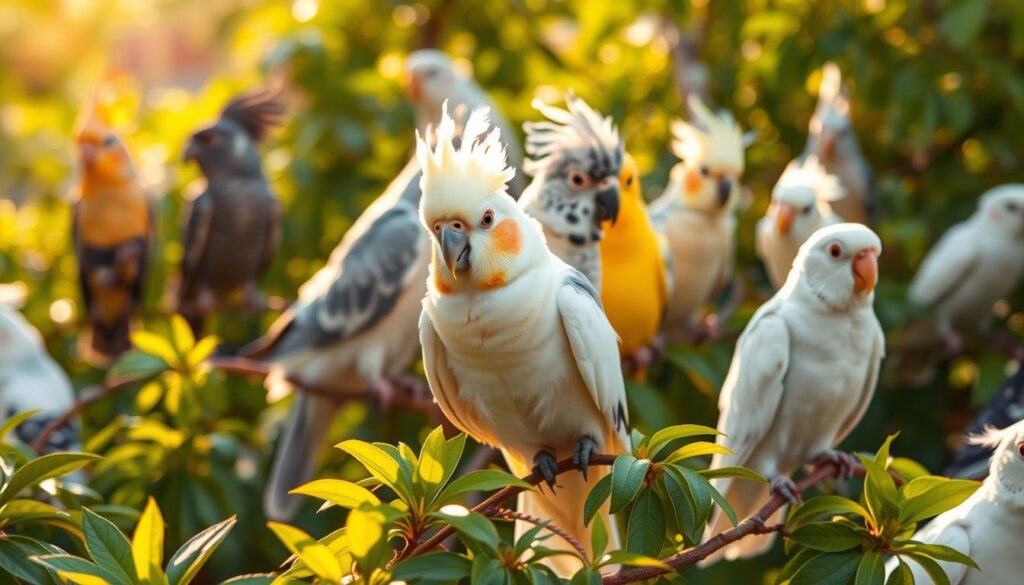
Whiteface cockatiels are known for their lack of the typical grey or yellow facial coloring, giving them a striking appearance. This mutation affects the production of melanin, resulting in a bird with a white or pale face. Whiteface cockatiels can come in various color mutations, making them a versatile choice for breeders.
Albino Cockatiels
Albino cockatiels are a result of a genetic mutation that eliminates the production of melanin, resulting in a bird with no pigmentation. These birds have a characteristic pinkish hue around their eyes and beak due to the visibility of the underlying blood vessels. Albino cockatiels require special care due to their sensitivity to light.
Silver and Fallow Cockatiels
Silver and fallow cockatiels represent two distinct mutations that affect the intensity and distribution of their feather colors. Silver cockatiels have a diluted color appearance, giving them a silvery sheen, while fallow cockatiels have a softer, more muted coloration. Both mutations are highly prized among cockatiel enthusiasts.
Combination Mutations
Combination mutations occur when a cockatiel inherits multiple genetic mutations, resulting in a unique appearance that combines the characteristics of each mutation. For example, a cockatiel can be both pied and lutino, or whiteface and cinnamon. These combination mutations are highly sought after by breeders and enthusiasts looking for a truly rare bird.
As you explore the world of rare and specialty cockatiel varieties, you’ll discover a wealth of genetic diversity and unique characteristics. Whether you’re a seasoned breeder or a new enthusiast, these birds offer a fascinating glimpse into the complexities of cockatiel genetics and the art of breeding.
“The diversity within cockatiel mutations is a testament to the complexity and beauty of nature.”
Understanding Cockatiel Genetics
Understanding the genetic makeup of cockatiels is essential for breeders and enthusiasts alike. The diverse range of cockatiel breeds is a result of genetic variations that determine their physical traits and characteristics.
How Mutations Occur
Genetic mutations in cockatiels occur naturally or through selective breeding. These mutations can result in various color and pattern variations. For instance, the lutino mutation is a result of a genetic variation that affects the production of melanin.
Sex-Linked vs. Recessive Traits
Cockatiel genetics involve understanding the difference between sex-linked and recessive traits. Sex-linked traits are tied to the sex chromosomes, while recessive traits require two copies of the mutated gene to be expressed. Sex-linked traits are more common in males, whereas females can be carriers without displaying the trait.
Identifying Your Cockatiel’s Mutation
To identify your cockatiel’s mutation, observe its plumage, beak color, and overall appearance. Consult the following table to understand common mutations:
| Mutation | Description |
|---|---|
| Lutino | Yellow or white plumage with red or orange face |
| Pied | Random patches of color on a white or yellow background |
| Cinnamon | Brownish hue replacing the normal black melanin |
By understanding Cockatiel genetics, you can better appreciate the unique characteristics of your bird and make informed decisions when breeding or purchasing a cockatiel.
Essential Care Guide for All Cockatiel Breeds
To keep your cockatiel happy and healthy, it’s essential to understand their specific care needs. Cockatiels are popular pets due to their affectionate and gentle nature, and with the right care, they can thrive in a home environment. The care requirements for cockatiels are generally consistent across different breeds, with some minor variations depending on the specific type of cockatiel.
Proper Cage Setup and Environment
The cage is your cockatiel’s personal space, and setting it up correctly is crucial. The cage should be spacious enough to allow your bird to fly short distances and exercise. A minimum size of 20 inches wide, 20 inches deep, and 30 inches tall is recommended. Bar spacing should be about 1 inch to prevent escape or injury.
Key components of a well-set-up cage include:
- A sturdy cage that can withstand your bird’s beak and claws
- Perches of varying diameters to keep your bird’s feet healthy
- Toys and accessories that provide mental stimulation
- A safe and easy-to-clean food and water system
Daily Care Routine
A consistent daily routine is vital for your cockatiel’s health. This includes:
- Cleaning the cage and accessories daily
- Providing fresh food and water twice a day
- Allowing your bird time outside its cage for exercise
Monitoring your cockatiel’s health daily is also crucial. Look for signs of illness, such as changes in droppings, appetite, or behavior.
Exercise and Enrichment Needs
Cockatiels require regular exercise to stay healthy and happy. This can be achieved through:
Toys and Activities
Providing a variety of toys that challenge your bird and keep it stimulated. Examples include:
- Bells and other noise-making toys
- Shredding toys to satisfy their natural urge to chew
- Swings and ladders for physical exercise
Out-of-Cage Time
Allowing your cockatiel time outside its cage is essential. This can be done by setting up a bird-proof area in your home where your cockatiel can fly, play, and interact with you.
As noted by bird care experts, “Regular out-of-cage time is crucial for maintaining your cockatiel’s physical and mental health.”
“The key to a happy cockatiel is a combination of a well-designed cage, a nutritious diet, and plenty of interaction and exercise outside of its cage.”
| Cockatiel Breed | Cage Size Requirement | Exercise Needs |
|---|---|---|
| Normal Grey | 20x20x30 inches | High |
| Lutino | 20x20x30 inches | High |
| Pied | 20x20x30 inches | High |
By following these guidelines, you can ensure that your cockatiel leads a happy and healthy life, regardless of its specific breed.
Complete Nutrition Guide for Cockatiels
Cockatiels require a nutritious diet to thrive, and understanding their nutritional needs is key. A well-balanced diet for your cockatiel should include a variety of foods to ensure they receive all necessary nutrients for optimal health.
Basic Diet Requirements
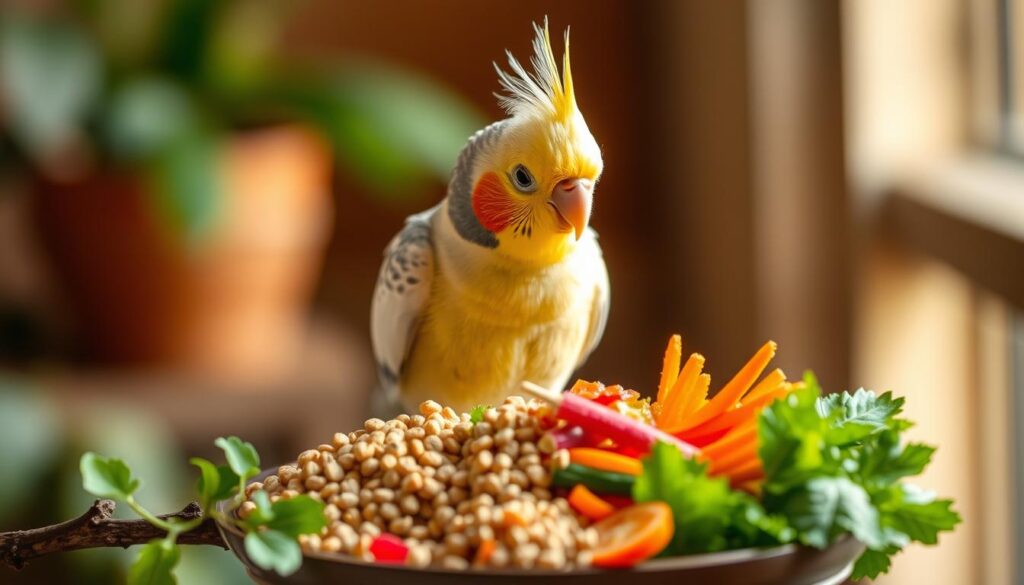
A cockatiel’s diet should be rich in pellets specifically formulated for cockatiels, supplemented with fresh fruits and vegetables. Pellets should make up about 60-70% of their diet, as they are formulated to provide a balanced mix of nutrients. Fresh foods like leafy greens, carrots, and apples are excellent additions.
It’s essential to provide a diverse range of fruits and vegetables to ensure a broad spectrum of vitamins and minerals. Dark leafy greens like kale and spinach are rich in calcium and vitamins, crucial for maintaining strong bones and overall health.
Treats and Supplements
Treats can be a fun way to reward your cockatiel, but they should be given in moderation. Millet sprays and sunflower seeds are popular treats, but they are high in fat, so they should not be overfed. Supplements can be added to their food, but it’s crucial to consult with a veterinarian to determine the best supplements for your cockatiel.
Foods to Avoid
Some foods are toxic to cockatiels and should be avoided entirely. Avocado, chocolate, and caffeine are harmful and can be fatal if ingested. Additionally, foods high in salt and sugar should be avoided, as they can lead to health issues.
Feeding Schedule
Establishing a regular feeding schedule helps maintain your cockatiel’s health. Fresh foods should be provided daily, and any uneaten food should be removed after a few hours to prevent spoilage. Pellets can be left in the cage, but they should be refreshed daily to ensure freshness.
By following these guidelines, you can ensure your cockatiel receives a balanced and nutritious diet, promoting a long and healthy life.
Training and Socializing Different Types of Cockatiels
Effective training and socialization are crucial for developing a well-adjusted and friendly cockatiel. Regardless of the type of cockatiel you have, building a strong bond with your pet is essential for its emotional and psychological well-being.
Basic Training Techniques
Start with simple commands like “step up” and “step down.” Use positive reinforcement techniques, such as offering treats and praise when your cockatiel responds correctly. Consistency is key; train your cockatiel at the same time every day.
Teaching Tricks and Vocalizations
Cockatiels are known for their ability to mimic sounds and learn tricks. Begin with simple tricks like whistling or shaking hands. To encourage vocalizations, repeat words or phrases and reward your cockatiel when it mimics you.
Handling Shy or Aggressive Birds
Some cockatiels may be shy or aggressive, especially if they’re not socialized properly. Approach these birds calmly and gently, avoiding sudden movements. Gradually build trust by offering treats and speaking softly.
Building Trust with Your Cockatiel
Building trust is a gradual process that requires patience and consistency. Spend time with your cockatiel daily, engaging in activities that it enjoys. This could be playing with toys, simply sitting together, or going for a supervised flight.
By following these tips and being committed to your cockatiel’s training and socialization, you can develop a strong, loving relationship with your pet. Remember, every cockatiel is unique, so be prepared to adapt your approach as needed.
Health Considerations and Common Issues
Ensuring the health and well-being of your cockatiel involves understanding potential health issues. As a responsible cockatiel owner, being aware of the common health concerns and taking preventative measures can significantly enhance your bird’s quality of life.
Preventative Care
Preventative care is crucial for maintaining your cockatiel’s health. This includes providing a balanced diet, ensuring a clean and safe environment, and offering regular exercise outside of the cage. A well-cared-for cockatiel is less likely to suffer from common health issues.
Signs of Illness
Being able to identify signs of illness in your cockatiel is vital. Look out for changes in behavior, such as lethargy, or physical symptoms like ruffled feathers or labored breathing. Early detection can make a significant difference in treatment outcomes.
Breed-Specific Health Concerns
Different cockatiel breeds and mutations may have specific health concerns. For instance, some color mutations can be associated with genetic disorders. Understanding the specific needs and potential health issues of your cockatiel’s breed is essential for providing the best care.
When to Consult an Avian Veterinarian
If you notice any signs of illness or have concerns about your cockatiel’s health, it’s crucial to consult an avian veterinarian. These professionals specialize in bird care and can provide advice tailored to your cockatiel’s specific needs. Regular check-ups can also help prevent health issues.
By staying informed and proactive, you can help ensure your cockatiel leads a long, healthy, and happy life.
Conclusion: Choosing the Right Cockatiel for Your Home
With various Popular Cockatiel varieties available, selecting the perfect companion can be a daunting task. Understanding Cockatiel genetics and the characteristics of different breeds can help you make an informed decision.
Consider your lifestyle, living situation, and the amount of time you can dedicate to your feathered friend. Some cockatiels are more demanding than others, requiring attention and interaction. Researching the specific needs and traits of different breeds will ensure you find a companion that thrives in your care.
By choosing the right cockatiel breed, you’ll be rewarded with a loving and loyal companion. With proper care and attention, your cockatiel will bring joy and beauty to your life.