Dog Breed Information: Traits, Temperament & Care Tips

Table of Contents
Bringing a dog into your home is a significant decision, filled with the promise of companionship, joy, and perhaps a touch of delightful chaos. But with hundreds of dog breeds recognized worldwide, each possessing a unique blend of traits and temperaments, understanding which furry friend is the perfect fit for your life and lifestyle can feel like navigating a delightful but complex maze. You’re looking for a companion who will seamlessly integrate into your daily routine, match your energy levels, and thrive in your specific environment. This is where accurate and comprehensive dog breed information becomes your invaluable guide.
This article is designed to empower you with the knowledge you need to make informed decisions about dog ownership. We’ll delve into the crucial aspects of dog breed information, exploring how traits and temperament influence a dog’s suitability for different homes, and providing essential care tips that are tailored to the unique needs of various breeds. By understanding these fundamental elements, you can ensure a harmonious and fulfilling relationship with your canine companion from day one. You deserve a partnership that brings mutual happiness, and it all starts with understanding the intricacies of man’s best friend, one breed at a time.
Decoding Dog Breed Information: Beyond the Cute Face

When you see a dog, it’s natural to be drawn to their appearance. Their wagging tail, expressive eyes, and adorable antics capture your heart. However, making a decision based solely on looks can lead to unforeseen challenges. Dog breed information goes far beyond physical characteristics; it encompasses centuries of selective breeding and inherent predispositions that shape a dog’s personality, behaviors, and overall needs. You need to look deeper than the adorable face to truly understand if a particular breed is a good fit for your family and your life.
Understanding dog breed information empowers you to anticipate potential needs and adapt your lifestyle accordingly. For instance, knowing that a Jack Russell Terrier has high energy levels means you’ll need to commit to significant daily exercise. Understanding that a Border Collie possesses a strong herding instinct helps you anticipate their need for mental stimulation and perhaps a job to do. Ignoring these inherent traits can lead to frustrated owners and unhappy dogs. You’re not just choosing a pet; you’re choosing a partner, and informed choices are the foundation of successful partnerships.
Key Traits Influencing Your Choice of Dog Breed

When researching dog breed information, several key traits should factor into your decision-making process. These traits are not rigid guarantees, as individual dogs within a breed will vary, but they provide a strong baseline for understanding a breed’s general tendencies. Consider these elements carefully when you’re evaluating potential breeds:
- Energy Levels: This is absolutely critical. Do you live an active lifestyle, enjoying long hikes and runs, or do you prefer quiet evenings at home? A high-energy breed in a sedentary household will likely develop behavioral issues due to pent-up energy. Conversely, a low-energy breed might not keep up with an exceptionally active owner. You need to honestly assess your capacity to provide adequate exercise and mental stimulation.
- Size: While size might seem obvious, it impacts various aspects of ownership, including living space, food costs, and even potential veterinary bills. Large breeds often require more space and can be more expensive to feed. Smaller breeds can be more delicate and may require specialized care in certain climates. Consider your living situation and budget realistically.
- Grooming Needs: From the low-maintenance coat of a Greyhound to the high-maintenance needs of a Poodle or Afghan Hound, grooming is a significant time commitment and potential expense. Are you prepared for daily brushing, frequent trips to the groomer, or managing shedding? Your willingness and ability to commit to regular grooming is a vital consideration.
- Trainability and Eagerness to Please: Some breeds are renowned for their trainability and desire to make their owners happy, making them excellent choices for first-time owners or those interested in activities like obedience or agility. Other breeds can be more independent or stubborn, requiring more patience and consistent training. Your experience level and willingness to invest time in training are important factors.
- Socialization Needs: How a breed typically interacts with other dogs, strangers, and children is crucial if you have a busy household or plan to frequent dog parks. Some breeds are naturally more outgoing and friendly, while others may be reserved or even wary of new introductions. Proper socialization from a young age is essential for any dog, but inherent breed tendencies should be considered.
- Health Considerations: Every breed has certain genetic predispositions to specific health issues. Researching these potential health problems allows you to be proactive in preventative care and be prepared for potential veterinary expenses. Understanding the common ailments of a breed is a responsible part of dog ownership.
By carefully evaluating these traits and honestly assessing your own lifestyle and capabilities, you can begin to narrow down the vast options and focus on breeds that are a realistic and fulfilling match for you.
Unveiling Temperament: Understanding a Dog’s Inner Nature
Beyond physical traits, a dog’s temperament is perhaps the most influential factor in determining compatibility. Temperament refers to a dog’s inherent personality, their typical mood, and their reactions to various stimuli. While training and environment play a significant role in shaping a dog’s behavior, breed-specific temperaments provide valuable insights into what you can generally expect. Understanding temperament through thorough dog breed information is crucial for a harmonious relationship.
Here are some key aspects of temperament to consider:
- Affection Levels: How physically affectionate is the breed typically? Are they cuddlers and lapdogs, or more independent and reserved? Your desire for physical affection from your dog should align with the breed’s typical nature.
- Playfulness: Some breeds remain playful well into adulthood, while others become more sedate after puppyhood. If you envision regular play sessions as a core part of your relationship, choose a breed known for its playfulness.
- Prey Drive: Breeds originally developed for hunting or herding may have a strong prey drive, meaning they are more likely to chase squirrels, cats, or other small animals. This can be a challenge in households with other pets or in areas with abundant wildlife. Understanding and managing prey drive is important if it’s a characteristic of the breed you’re considering.
- Tendency to Bark: Some breeds are naturally more vocal than others. If you live in an apartment with close neighbors or prefer a quiet home, a breed known for excessive barking might not be the best choice.
- Adaptability: How well does the breed generally adapt to changes in routine or environment? Some breeds are more resilient and can handle disruptions better than others. If your life involves frequent travel or unpredictable schedules, consider a breed known for its adaptability.
- Patience with Children: If you have young children or plan to in the future, choosing a breed known for its patience and gentle nature around kids is paramount. While socialization is vital, some breeds are inherently more tolerant of the boisterous energy of children.
Researching the typical temperament of a breed through reliable dog breed information will give you a realistic expectation of their personality and help you anticipate potential behavioral tendencies. Remember that within any breed, individual dogs will vary, and positive reinforcement training and early socialization are essential for nurturing a well-adjusted companion.
Essential Care Tips Tailored to Dog Breeds
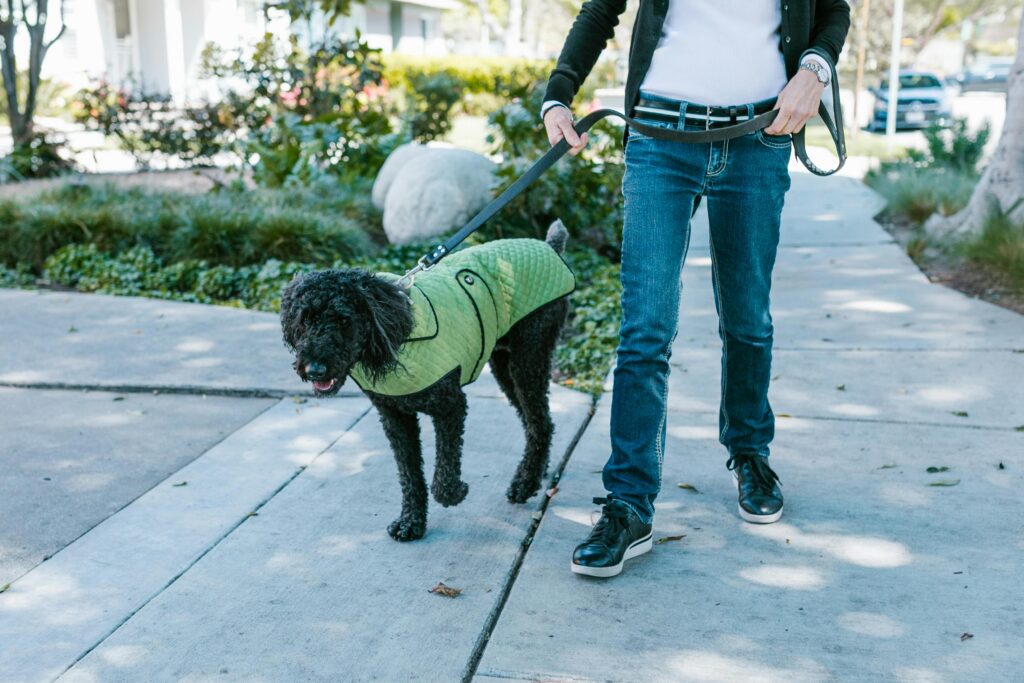
Once you’ve explored the traits and temperament of different breeds and have a few in mind, diving into breed-specific care tips through comprehensive dog breed information is the next critical step. Care isn’t a one-size-fits-all approach; it needs to be tailored to the unique needs of the breed you choose.
Here are key areas where breed-specific care is essential:
- Nutrition: Different breeds have varying dietary needs based on their size, energy levels, and potential health concerns. Large breeds require food formulated to support healthy bone growth, while small breeds may benefit from smaller kibble sizes. Breeds prone to certain health issues may benefit from specialized diets. Consulting with your veterinarian about the best nutrition for your chosen breed is always recommended.
- Exercise Requirements: As mentioned earlier, exercise needs vary dramatically. Providing adequate exercise is not just about physical health; it’s also crucial for mental well-being and preventing behavioral problems. Research the specific exercise requirements of the breed you are considering and ensure you can consistently meet them. This might involve daily walks, runs, fetch in the park, or specialized activities like agility or swimming. Your outdoor lifestyle, or lack thereof, needs to directly align with the breed’s activity needs.
- Grooming Routine: The texture and length of a dog’s coat dictate their grooming needs. Long-haired breeds require daily brushing to prevent mats and tangles. Breeds with dense undercoats may need specialized tools for shedding seasons. Some breeds with wrinkles or floppy ears require regular cleaning to prevent infections. You need to be prepared for the time commitment and potential expense of professional grooming if needed.
- Training and Socialization: While crucial for all dogs, the approach to training and socialization may need to be adjusted based on breed-specific tendencies. Some breeds respond better to positive reinforcement, while others may require firmer guidance. Understanding the breed’s inherent drives and instincts will help you implement effective training strategies. Early and consistent socialization with a variety of people and other dogs is vital for all breeds.
- Environmental Needs: Some breeds tolerate cold weather better than hot weather, and vice versa. Breeds with short noses (brachycephalic breeds) are particularly susceptible to heatstroke. Consider your climate and living environment when choosing a breed. Some breeds thrive in spacious homes with yards, while others can adapt well to apartment living as long as their exercise and mental stimulation needs are met.
Investing time in understanding these breed-specific care tips through reliable dog breed information will ensure you are fully prepared to provide the best possible home for your new companion.
Choosing the Right Dog Breed for You: A Structured Approach
With so much dog breed information available, how do you effectively filter it and make the right choice? Here’s a structured approach you can follow:
- Self-Assessment: Honestly evaluate your lifestyle, including your activity level, living situation, work schedule, family dynamics (presence of children or other pets), and willingness to commit time and resources to a dog.
- Researching Potential Breeds: Based on your self-assessment, begin researching breeds that generally align with your profile. Utilize reputable sources of dog breed information, such as breed club websites, veterinary associations, and established canine organizations.
- Focus on Key Traits and Temperament: As you research, prioritize the traits and temperament aspects that are most important to you and your family. Don’t let looks be the primary driver of your decision.
- Delve into Care Requirements: Once you have a few potential breeds, thoroughly research their specific care needs, including exercise, grooming, nutrition, and potential health issues. Can you realistically meet these needs?
- Talk to Owners and Breeders: If possible, connect with current owners of the breeds you are considering or reputable breeders. They can offer invaluable real-world insights into what it’s like to live with that particular breed.
- Consider Mixed Breeds: Don’t overlook mixed-breed dogs! Often available in shelters and rescues, mixed breeds can be wonderful companions. While predicting their traits can be less precise, shelter staff can often provide insights into their individual personalities.
- Spend Time with the Breed: If possible, spend time with adult dogs of the breed you are considering. Visit a shelter or rescue, attend breed-specific events, or spend time with friends who own the breed. This will give you a better feel for their typical behavior and energy levels.
By following this structured approach and diligently utilizing the wealth of dog breed information available, you can move closer to finding the perfect canine partner who will enrich your life for years to come.
Beyond Breed: The Importance of the Individual Dog
While dog breed information provides a powerful foundation for understanding general characteristics, it’s crucial to remember that every dog is an individual. Within any breed, there will be variations in personality, energy levels, and trainability. A dog’s upbringing, early socialization, and training play significant roles in shaping their behavior.
When meeting a specific dog, whether from a breeder or a shelter, take the time to observe their individual personality and interactions. Do they seem confident or shy? Are they eager to engage or more independent? Spend time with them to get a sense of their unique temperament. Relying solely on breed generalities without considering the individual dog’s personality can lead to mismatches.
Conclusion: Your Journey to Finding the Perfect Companion
Navigating the world of dog breed information is an exciting and essential step in the journey towards welcoming a dog into your life. By understanding the intricate interplay of traits, temperament, and care requirements, you empower yourself to make an informed and responsible decision that benefits both you and your future canine companion. You are not just choosing a pet; you are choosing a partnership, and a successful partnership is built on understanding and mutual respect.
Investing time in researching dog breed information will greatly increase your chances of finding a dog whose needs and personality align perfectly with your lifestyle and expectations. This leads to a happier dog, a happier you, and a truly fulfilling relationship.
What factors were most important to you when researching dog breed information for your current or past dog? Share your experiences and insights in the comments below to help others on their journey to finding their perfect canine match!