Kitten Adoption Tips: Caring for Your New Furry Friend
Table of Contents
Welcoming a new furry friend into your home can be a life-changing experience. When you adopt a kitten, you’re not just gaining a pet, you’re gaining a companion. As you prepare to bring your new kitten home, it’s essential to understand the responsibilities that come with caring for it.
Caring for a new kitten requires attention to its health, nutrition, and emotional well-being. By providing a nurturing environment, you can help your kitten grow into a happy and healthy adult cat. In this article, we’ll explore the key aspects of kitten care to ensure a smooth transition for both you and your new pet.
Preparing for Kitten Adoption: What to Consider Before You Adopt
As you consider adopting a rescue kitten, it’s crucial to evaluate your daily routine, budget, and living situation to provide the best possible home. Adopting a kitten is a significant decision that affects not just your life but also the life of your new pet.
Assessing Your Lifestyle and Commitment
Your lifestyle plays a significant role in determining whether you’re ready for a kitten. Consider your work schedule, travel frequency, and overall daily routine. Kittens require attention, feeding, and regular veterinary check-ups. If you have a busy schedule, you might need to arrange for someone to care for your kitten during the day.
Moreover, think about your long-term commitment. Kittens grow into cats that can live up to 15-20 years. Ensuring you’re ready for this long-term responsibility is crucial.
Financial Considerations of Kitten Ownership
Owning a kitten comes with various expenses, including food, litter, toys, and veterinary care. Initial costs, such as spaying/neutering and vaccinations, can be significant. Ongoing expenses include monthly supplies and regular vet visits.
- Initial costs: adoption fees, spaying/neutering, vaccinations
- Ongoing expenses: food, litter, toys, veterinary care
It’s essential to create a budget that accounts for these expenses to ensure you can provide for your kitten’s needs without financial strain.
Preparing Your Home for a New Kitten
Before bringing your kitten home, you’ll need to kitten-proof your living space. This involves removing hazardous materials, securing loose wires, and blocking off areas you don’t want your kitten to access.
You’ll also need to set up essential supplies, such as a litter box, food and water bowls, and a comfortable bed. Creating a safe and welcoming environment will help your kitten adjust more easily.
Finding the Right Kitten: Where and How to Adopt
The journey to adopting the perfect kitten begins with knowing where to look. When you’re ready to find a kitten to adopt, you’ll discover various options, each with its unique benefits and considerations.
Shelters vs. Rescues vs. Breeders
Deciding where to adopt from is a crucial step. Shelters have a wide range of mixed-breed cats and kittens, offering a chance to provide a loving home to a pet in need. Rescue organizations often specialize in specific breeds or mixes, and they work to rehabilitate and rehome cats. Breeders, on the other hand, focus on purebred cats and usually have more information about the kitten’s lineage and health.
When choosing between these options, consider what you’re looking for in a pet. If you’re open to any mix, shelters and rescues can be great. For a specific breed, a reputable breeder might be the way to go.
| Adoption Source | Characteristics | Benefits |
|---|---|---|
| Shelters | Mixed breeds, various ages | Giving a home to a cat in need |
| Rescues | Specialized in certain breeds or mixes | Often include rehabilitation and behavioral support |
| Breeders | Purebred cats, known lineage | Predictable temperament and health |
What to Look for in a Healthy Kitten
Regardless of where you adopt, ensuring the kitten is healthy is paramount. Look for kittens that are active, playful, and have clear eyes and ears. A healthy kitten should have a clean coat, be well-nourished, and show no signs of illness or injury.
Questions to Ask During the Adoption Process
When you’ve found a kitten you’re interested in, it’s time to ask questions. Find out about the kitten’s health history, including vaccinations and any known medical issues. Ask about the kitten’s personality and how it interacts with people and other animals.
- What is the kitten’s health history?
- Has the kitten been vaccinated?
- How does the kitten interact with people and other pets?
- Are there any known behavioral issues?
By carefully considering your options and asking the right questions, you can find a kitten to adopt that will be a loving companion. Working with a reputable kitten adoption agency or organization can make this process smoother and ensure you’re making an informed decision.
The Kitten Adoption Process: Step-by-Step Guide
The kitten adoption process can seem daunting, but understanding the steps involved can make it a smoother experience. As you prepare to welcome a new kitten into your home, it’s crucial to know what to expect during the adoption process.
Application and Screening Procedures
The first step in adopting a kitten is to submit an adoption application. This typically involves providing personal and contact information, details about your home and family, and your experience with pets. The application helps the shelter or rescue organization understand your lifestyle and ensure that you’re a suitable match for a kitten.
After submitting your application, you’ll undergo a screening process. This may include a phone or in-person interview, a home visit, or a review of your veterinary references. The screening is designed to assess your ability to provide a safe and nurturing environment for your new kitten.
Adoption Fees and What They Cover
Adoption fees vary depending on the shelter, rescue, or breeder. These fees typically cover essential services such as spaying or neutering, vaccinations, microchipping, and initial health checks. Understanding what’s included in the adoption fee can help you prepare for the costs associated with adopting a kitten.
| Service | Description | Cost |
|---|---|---|
| Spaying/Neutering | Surgical procedure to prevent reproduction | $50-$200 |
| Vaccinations | Initial vaccinations against common diseases | $20-$100 |
| Microchipping | Implanting a microchip for identification | $50-$100 |
| Health Checks | Initial veterinary examination | $50-$100 |
Meeting Your Potential Kitten
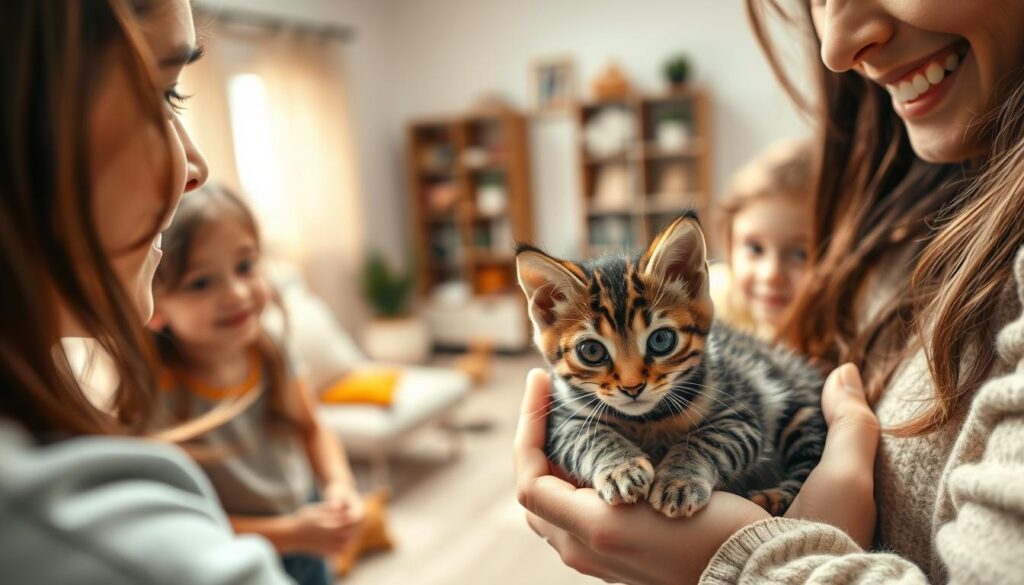
Once your application is approved, you’ll have the opportunity to meet your potential kitten. This is an essential step, as it allows you to interact with the kitten and assess compatibility. Pay attention to the kitten’s behavior, energy level, and overall health.
Paperwork and Legal Considerations
After you’ve selected your kitten, you’ll need to complete the adoption paperwork. This typically includes an adoption contract, which outlines your responsibilities as a pet owner and may include spay/neuter requirements, vaccination schedules, and other conditions.
It’s also essential to understand the legal considerations involved in adopting a kitten. This may include registering your kitten with local authorities, obtaining a license, and complying with local animal welfare regulations.
Setting Up Your Home for Your New Kitten
Before your new kitten arrives, it’s essential to kitten-proof your home and create a cozy space for them to settle in. This preparation will not only ensure your kitten’s safety but also make the transition smoother for both you and your pet.
Creating a Safe Space for Your Kitten
Designating a quiet area of your home as a safe space for your kitten is a great way to help them feel secure and comfortable. This area should be away from drafts and have a comfortable place for your kitten to rest. You can add a few toys and a scratching post to make the space more inviting.
Kitten-Proofing Your Home
Kitten-proofing involves securing any loose items that could be hazardous to your kitten. This includes:
- Securing toxic substances and cleaning supplies
- Protecting electrical cords and wires
- Removing fragile or breakable items
- Blocking access to areas you don’t want your kitten to enter
By taking these steps, you can significantly reduce the risk of accidents and create a safer environment for your kitten to explore.
Establishing a Routine
Establishing a daily routine is crucial for your kitten’s sense of security and development. This routine should include regular times for feeding, play, and sleep. A consistent routine helps your kitten understand what to expect and can reduce anxiety and behavioral problems.
For example, you can start with a morning playtime, followed by a feeding session, and then some quiet time for rest. As your kitten grows, you can adjust the routine as needed to accommodate their changing needs.
By creating a safe space, kitten-proofing your home, and establishing a routine, you’ll be well-prepared to welcome your new kitten and provide them with a happy and healthy start in life. Consider checking out local kitten adoption events to find your new furry friend and start this exciting journey.
Essential Supplies for Your Newly Adopted Kitten
After adopting a kitten, you’ll need to ensure you have all the essential supplies to provide a comfortable and healthy environment. The right supplies will not only make your life easier but also help your kitten adjust to its new home.
Food and Water Essentials
Your kitten’s nutritional needs are a top priority. You’ll need to stock up on high-quality kitten food that is rich in proteins and nutrients. Consider consulting with your veterinarian to determine the best diet for your kitten. Don’t forget to get a stainless steel or ceramic food bowl and a water bowl to ensure your kitten stays hydrated.
Litter Box Setup and Supplies
A clean and accessible litter box is crucial for your kitten’s health and hygiene. Choose a litter box that is large enough for your kitten, and consider a low-sided litter box for easy access. You’ll also need kitten litter that is safe and comfortable for your kitten to use. Don’t forget litter box liners and a scoop for easy cleaning.
Bedding and Comfort Items
Provide your kitten with a warm and cozy place to rest. Kitten beds or blankets can be placed in a quiet area of your home to create a comfortable sleeping space. You may also consider a cat tree or climbing structure to give your kitten a place to play and observe its surroundings.
Toys and Enrichment
Kittens need stimulation and exercise to stay happy and healthy. Toys such as feather wands, laser pointers, and interactive toys can provide hours of entertainment. You can also consider catnip toys or crinkle toys to stimulate your kitten’s senses.
Grooming Tools
Regular grooming is essential for your kitten’s health and hygiene. Invest in a brush or comb designed for kittens, and consider nail clippers to keep your kitten’s nails trimmed. You may also want to get ear cleaning solution and cotton balls to keep your kitten’s ears clean.
Kitten Health Care: Veterinary Needs and Preventative Care
Rescue kittens, in particular, may have unique health needs, making an initial veterinary visit vital for identifying any potential issues early on. When you adopt a kitten, it’s essential to understand the various aspects of their health care to ensure they lead a healthy life.
First Veterinary Visit Checklist
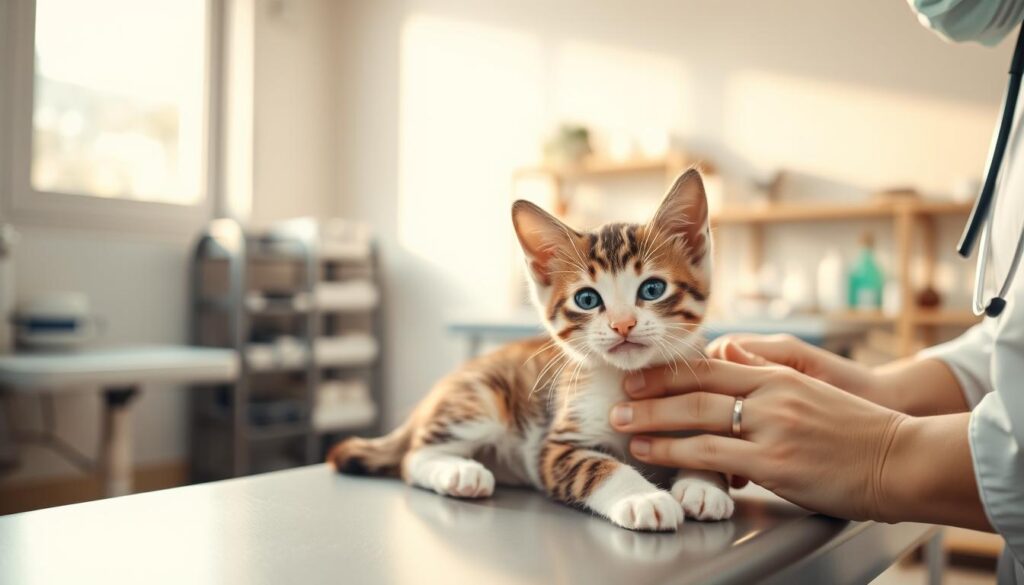
During the first veterinary visit, several key checks will be performed to assess your kitten’s health. These include:
- A general physical examination to check for any signs of illness or injury.
- Reviewing the kitten’s medical history, if available.
- Administering initial vaccinations.
- Discussing parasite control measures.
- Providing guidance on nutrition and feeding schedules.
It’s crucial to be prepared for this visit by having any known medical history and questions ready for the veterinarian.
Vaccination Schedule for Kittens
Kittens require a series of vaccinations to protect them from common diseases. The typical vaccination schedule includes:
- First vaccinations at 6-8 weeks of age.
- Booster shots every 3-4 weeks until the kitten is about 16 weeks old.
- Final vaccinations and a health check.
Your veterinarian will provide a tailored schedule based on your kitten’s specific needs and risk factors.
Parasite Prevention
Parasites such as fleas, ticks, and worms can pose significant health risks to your kitten. Preventative measures include:
- Using flea and tick preventatives.
- Administering deworming medication as prescribed by your veterinarian.
- Keeping your kitten’s environment clean and free from parasites.
Spaying and Neutering
Spaying or neutering your kitten is a critical decision that can prevent certain health issues and reduce undesirable behaviors. The ideal time for this procedure varies, but it’s typically recommended between 4 to 6 months of age. Discussing the best timing with your veterinarian will help you make an informed decision.
Recognizing Common Health Issues
Being aware of common health issues in kittens can help you identify problems early. Some signs of illness include:
- Diarrhea or vomiting.
- Lack of appetite.
- Discharge from the eyes or nose.
- Lethargy.
If you notice any of these symptoms, it’s essential to consult with your veterinarian promptly.
Feeding Your Newly Adopted Kitten
Feeding your newly adopted kitten the right food is crucial for their health, energy, and development into a happy and healthy adult cat. As a responsible pet owner, understanding your kitten’s nutritional needs is vital for their overall well-being.
Kitten Nutrition Basics
Kittens require a diet rich in protein, moderate in fat, and limited in carbohydrates. They need essential nutrients like vitamins, minerals, and amino acids for optimal growth. A well-balanced kitten diet supports their immune system, coat health, and energy levels.
Nutritional needs vary by age, size, and breed. For instance, larger breed kittens may require more controlled growth rates to prevent joint issues, while smaller breeds may need more calorie-dense foods.
Wet vs. Dry Food Considerations
Both wet and dry foods have their advantages. Wet food can provide higher moisture content, which is beneficial for urinary health and can be more palatable. Dry food, on the other hand, is convenient and can help maintain dental health.
A combination of both, known as mixed feeding, can offer the benefits of both types. It’s essential to choose high-quality foods that meet your kitten’s nutritional needs.
Feeding Schedule and Portions
Kittens need to be fed frequently, especially during the first few months. Typically, kittens are fed 3-4 times a day until they are about six months old. The portion sizes depend on the kitten’s age, weight, and the food’s calorie content.
| Age | Feeding Frequency | Average Daily Calories |
|---|---|---|
| 0-3 months | 4 times | 200-250 calories |
| 4-6 months | 3 times | 250-300 calories |
| 7-12 months | 2 times | 200-250 calories |
Treats and Special Dietary Needs
Treats should not make up more than 10% of your kitten’s daily calorie intake. Choose treats that are nutrient-rich and low in calories. Some kittens may have special dietary needs due to allergies or sensitivities, requiring a tailored diet.
Always consult with your veterinarian to determine the best diet for your kitten, especially if they have specific health conditions or requirements.
Training and Socializing Your Kitten
Training and socializing your kitten are crucial steps in ensuring they grow into a well-adjusted and friendly adult cat. This process begins as soon as your kitten is comfortably settled in your home after the kitten adoption process.
Litter Box Training
Litter box training is one of the first and most important training tasks. To start, place your kitten in the litter box after meals and naps to create a positive association. Keep the litter box clean, as kittens are very particular about hygiene. If you encounter any issues, consult with your kitten adoption agency for advice.
- Choose a quiet, accessible location for the litter box.
- Use a litter type that your kitten finds comfortable.
- Reward successful uses with praise or treats.
Handling and Socialization Techniques
Handling your kitten gently and frequently from an early age helps them become confident and calm in the presence of humans. Socialization involves exposing your kitten to various environments, people, and other animals to help them become well-adjusted.
Gentle handling techniques include supporting their body and lifting them carefully. Avoid handling your kitten roughly or making sudden movements, as this can lead to fearfulness.
Addressing Common Behavior Issues
Despite your best efforts, your kitten may still develop some common behavior issues. Understanding and addressing these early on can prevent them from becoming ingrained habits.
Scratching Furniture
Kittens scratch for a variety of reasons, including marking territory and exercising. Providing a scratching post can redirect this behavior away from furniture. You can also try placing double-sided tape on surfaces you want to protect, as cats dislike the feel of it under their paws.
Kittens often bite and engage in rough play as part of their natural behavior. Teaching your kitten to play gently involves setting boundaries, such as stopping play when they bite too hard, and encouraging the use of toys instead of human skin.
Nighttime Activity
Kittens can be very active at night, disrupting their owner’s sleep. Establishing a bedtime routine that includes playtime followed by a meal can help signal to your kitten that it’s time to sleep. Ensure their sleeping area is comfortable and quiet.
By following these training and socialization tips, you can help your kitten develop into a happy, well-adjusted adult cat, making the kitten adoption agency‘s efforts worthwhile.
Conclusion: Enjoying Life with Your New Kitten
As you welcome your new kitten into your home, you’re not only gaining a loving companion but also embarking on a journey filled with joy and companionship. Finding the right kitten to adopt can be a rewarding experience, and attending local kitten adoption events can be a great way to meet your new furry friend.
With the right preparation and care, your kitten will thrive, bringing happiness and love into your life. As you settle into your new routine, remember to cherish the moments with your kitten, from playful interactions to quiet cuddles. Your patience, love, and dedication will help your kitten grow into a happy and healthy cat.
As you enjoy this new chapter with your kitten, consider sharing your experiences with others who are also finding a kitten to adopt. Local kitten adoption events can be a great place to connect with fellow cat lovers and learn more about kitten care and adoption.