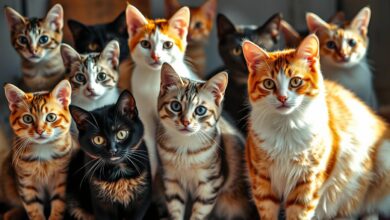
Persian Cats: Full Guide to This Elegant Breed
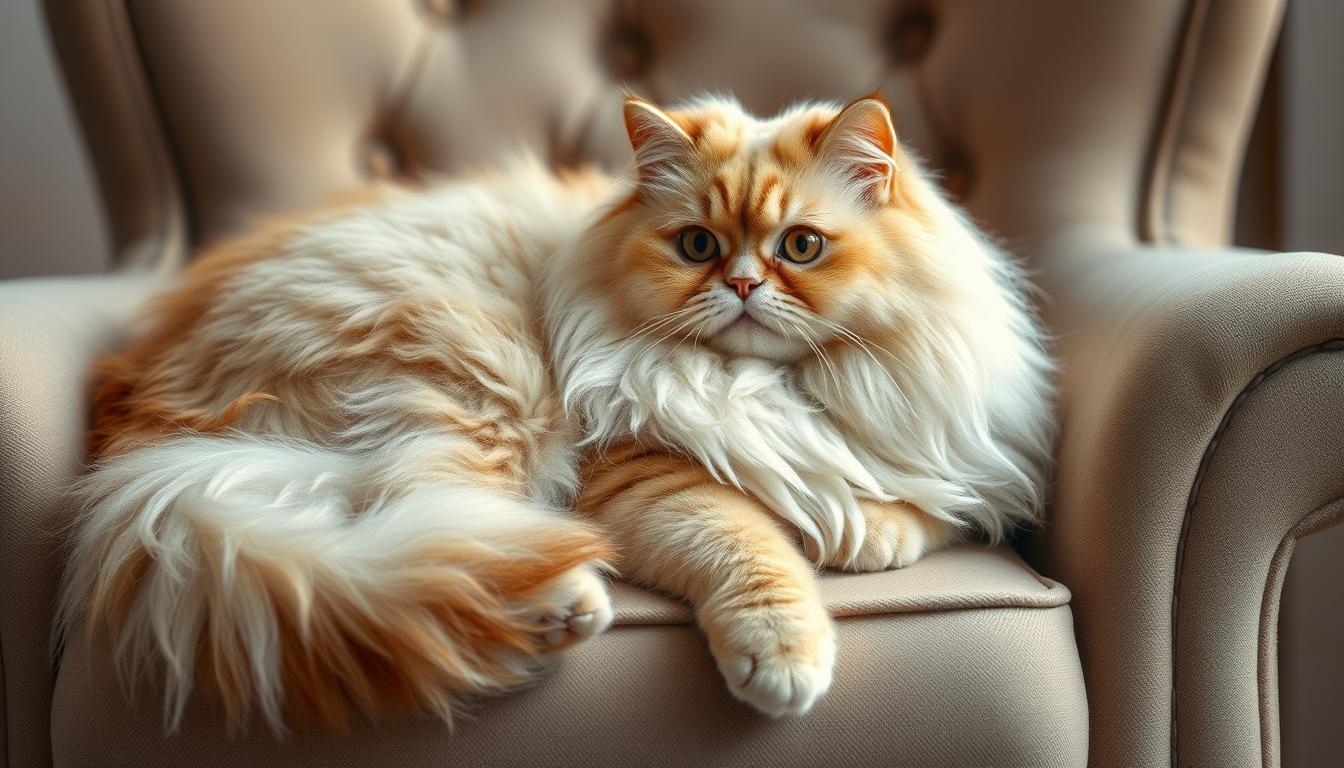
Table of Contents
If you’re considering bringing a new pet into your family, you might be drawn to the majestic Persian cat. Known for their stunning appearance and calm demeanor, Persian cats have been a popular choice among cat enthusiasts for centuries.
The history of Persian cats is as fascinating as their looks. Originating from ancient Persia (modern-day Iran), they were highly valued as companions. Their distinctive characteristics, such as their long, fluffy coats and flat faces, set them apart from other breeds.
The History and Origin of Persian Cats
Originating in Persia, now modern-day Iran, the Persian cat has a storied past that is as fascinating as it is complex. The breed’s early history is intertwined with the region’s culture and trade, which played a significant role in its dissemination across the globe.
Ancient Beginnings in Persia
The Persian cat’s journey began in the ancient lands of Persia, where they were highly valued as companions. Their long, luxurious coats and calm demeanor made them a favorite among the nobility.
Evolution Through the Centuries
As trade routes expanded, Persian cats were introduced to new regions, leading to their evolution through selective breeding. By the 16th century, they had become popular in Europe, where they were bred to enhance their desirable traits.
Modern Development of the Breed
Today, Persian cat breeders continue to play a crucial role in the breed’s development, focusing on maintaining its distinctive characteristics while ensuring its health and well-being. The breed’s history is a testament to the dedication of breeders over the centuries.
| Period | Event | Impact on Breed |
|---|---|---|
| Ancient Times | Originated in Persia | Established foundational characteristics |
| 16th Century | Introduced to Europe | Selective breeding for enhanced traits |
| Modern Era | Continued breeding efforts | Maintenance of breed standards and health |
Understanding Persian Cats: Distinctive Characteristics
Characterized by their brachycephalic features and silky coats, Persian cats are a breed apart. Their distinctive characteristics not only contribute to their elegance but also play a significant role in their grooming needs.
The Iconic Flat Face and Brachycephalic Features
Persian cats are known for their flat faces, a result of selective breeding. This brachycephalic feature, while aesthetically pleasing, can sometimes lead to respiratory issues. It’s essential to monitor their breathing and overall health.
Body Structure and Size
Persian cats have a sturdy, compact body with a broad chest and strong legs. They typically weigh between 8-12 pounds, with males being larger than females. Their size and structure contribute to their majestic appearance.
Coat Length and Texture
The Persian cat’s coat is one of its most distinguishing features. It is long, flowing, and requires regular grooming to prevent matting. The texture can vary from silky to woolly, adding to the breed’s luxurious appearance.
| Characteristic | Description |
|---|---|
| Face Type | Flat, Brachycephalic |
| Body Size | 8-12 pounds, Compact |
| Coat Length | Long, Flowing |
Persian Cat Colors and Patterns
One of the most striking features of Persian cats is their diverse range of colors and patterns, which include solid, tabby, and colorpoint variations. The genetics behind these colors and patterns are complex, resulting in a wide variety of appearances among Persian cats.
Solid Color Varieties
Persian cats come in a range of solid colors, including white, black, blue, and red. Solid-colored Persians have a uniform coat color, with no markings or patterns. The quality of the coat color can vary, with some cats having a more vibrant or deeper color than others.
Tabby and Tortoiseshell Persians
Tabby Persians display a distinctive M-shaped marking on their forehead, accompanied by stripes or dots on their body. The tortoiseshell pattern, typically found in females, features a mix of colors swirling together, creating a unique visual effect. These patterns add to the visual appeal of the Persian breed.
Himalayan and Colorpoint Variations
Himalayan and colorpoint Persians have a light-colored body with points of color on their extremities, such as the ears, face, legs, and tail. This coloration is the result of a temperature-sensitive enzyme that affects the production of melanin, resulting in the characteristic pointed pattern.
Personality and Temperament of Persian Cats
One of the defining characteristics of Persian cats is their tranquil and gentle disposition. This breed is renowned for its calm nature, making them an excellent choice for households seeking a serene pet.
Calm and Gentle Nature
Persian cats are known for their laid-back and affectionate personalities. They are often described as having a “sweet” temperament, which makes them a joy to be around. Their calm demeanor means they are generally not as demanding or vocal as some other breeds, although they still enjoy attention and interaction.
Social Behavior with Humans and Other Pets
Persian cats are highly social animals that thrive on human interaction. They form strong bonds with their owners and are often described as “lap cats” due to their love of being close to their humans. When it comes to other pets, Persian cats can be quite tolerant, especially if socialized from an early age. However, introducing them slowly and under controlled circumstances is advisable to ensure harmony.
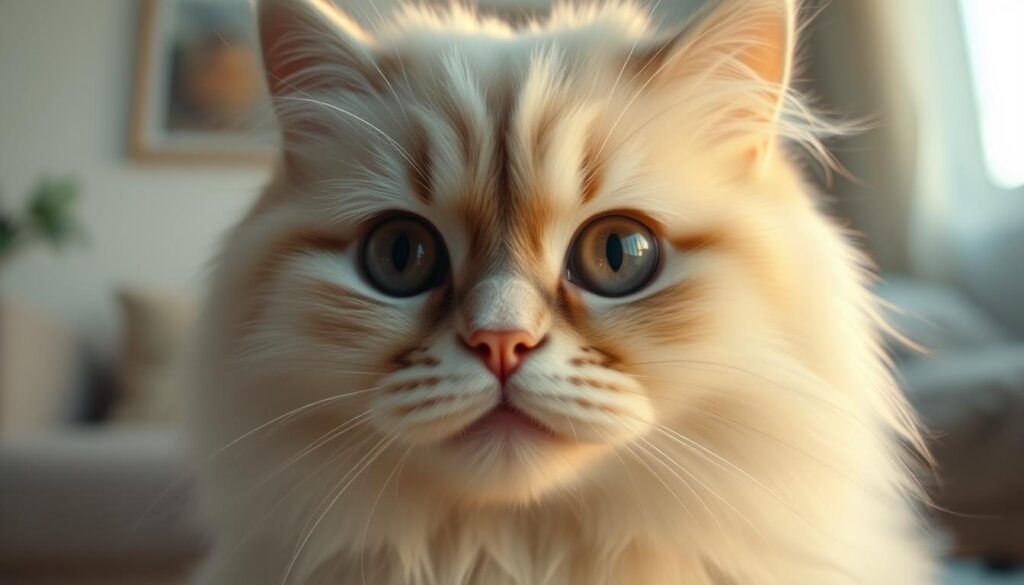
Understanding the activity levels and play preferences of Persian cats is essential for their overall well-being. While they are not as demanding in terms of exercise as some other breeds, they still require regular play to maintain their physical and mental health.
Activity Levels and Play Preferences
Persian cats are not overly active, but they do enjoy playing with toys, especially those that are feathered or have a lot of texture. Engaging in gentle play sessions a few times a day can help keep them entertained and exercised. It’s also a good idea to provide them with puzzle toys filled with treats to challenge their minds.
How to Groom Your Persian Cat: Step-by-Step Guide
Grooming is an essential part of caring for your Persian cat, ensuring they remain healthy and look their best. Regular grooming sessions can help prevent matting, reduce shedding, and distribute skin oils to keep their coat healthy.
Daily Brushing Techniques
Daily brushing is crucial for Persian cats due to their long, thick fur. It helps prevent mats and tangles, reducing the risk of skin irritation and infection.
Selecting the Right Brushes and Combs
For daily brushing, you’ll need a wide-tooth comb or a slicker brush designed for long-haired cats. These tools are gentle on their fur and effective at detangling.
Proper Brushing Method to Prevent Mats
Start brushing from the ends of the fur, working your way up to the roots. Be gentle, especially around sensitive areas. Regular brushing will help your cat become comfortable with the process.
Bathing Your Persian Cat
Bathing is a critical aspect of grooming, though it should be done sparingly to avoid stripping the coat of its natural oils.
Preparation Steps
Before bathing, brush your cat thoroughly to remove any tangles or mats. Ensure the water is not too hot or cold, and have all necessary supplies within reach.
Bathing Process
Gently wet your cat, apply a mild cat shampoo, and lather well. Avoid the face and ears. Rinse thoroughly to remove all soap residue.
Drying Techniques
After bathing, gently pat your cat dry with a towel. You can use a blow dryer on a low setting, but be cautious not to scare your cat with the noise.
Eye and Facial Care Routine
Persian cats require daily eye cleaning due to their flat face, which can lead to tear staining. Use a damp cloth to gently wipe away any discharge.
Nail Trimming and Ear Cleaning
Regular nail trimming is essential to prevent overgrowth, which can cause discomfort. Clean the ears gently with a cotton ball, avoiding the ear canal.
| Grooming Task | Frequency | Tools Needed |
|---|---|---|
| Brushing | Daily | Slicker brush, wide-tooth comb |
| Bathing | Monthly | Mild cat shampoo, towels |
| Nail Trimming | Every 2 weeks | Nail clippers |
| Ear Cleaning | Weekly | Cotton balls |
Feeding and Nutrition Guide for Persian Cats
A well-balanced diet is essential for maintaining the health and elegance of your Persian cat. As a breed with specific needs, Persian cats require careful consideration when it comes to their nutrition.
Recommended Diet Types
Persian cats thrive on high-quality commercial cat food that is rich in protein and moderate in fat. Look for foods that are labeled as “complete” or “balanced” by reputable pet food manufacturers, as these meet the nutritional standards set by veterinary nutritionists. You can choose between dry and wet food, or a combination of both, depending on your cat’s preferences and needs.
Creating a Feeding Schedule
Establishing a regular feeding schedule is crucial for your Persian cat’s health. Typically, adult cats should be fed twice a day, while kittens may require more frequent feeding. Monitor your cat’s weight and adjust the feeding schedule as necessary to prevent obesity.
Special Dietary Considerations for Flat-Faced Breeds
Due to their brachycephalic nature, Persian cats may have difficulty eating certain types of food. Opt for kibble that is designed for flat-faced breeds, as it is typically smaller and easier to manage. Additionally, some Persian cats may benefit from a diet that is tailored to their specific health needs, such as food that supports urinary health or reduces the risk of certain diseases.
By following these guidelines and consulting with your veterinarian, you can ensure that your Persian cat receives the best possible nutrition for a long and healthy life.
Preventing and Managing Common Health Issues in Persian Cats
As a Persian cat owner, you’re likely aware of the breed’s predisposition to certain health problems that can impact their quality of life. While it’s impossible to eliminate all risks, being informed about the most common issues can help you provide better care for your pet.
Respiratory Problems: Prevention and Care
Persian cats are brachycephalic, meaning their short, flat nose can lead to breathing difficulties. Keeping your cat at a healthy weight and ensuring they don’t overexert themselves can help mitigate these issues.
Eye Conditions: Signs and Treatment
The shallow eye sockets of Persian cats make them prone to eye problems, including tearing and proptosis. Regular cleaning of the eyes and monitoring for signs of distress can help prevent complications.
Polycystic Kidney Disease: Screening and Management
PKD is a genetic disorder common in Persian cats, leading to the formation of cysts on the kidneys. Regular veterinary check-ups and screening tests are crucial for early detection.
Establishing a Preventative Healthcare Routine
A well-planned healthcare routine is vital for preventing and managing health issues in Persian cats. This includes regular vaccinations, parasite control, and dental care.
| Health Issue | Prevention | Management |
|---|---|---|
| Respiratory Problems | Maintain healthy weight, avoid overexertion | Monitor breathing, use of humidifiers |
| Eye Conditions | Regular eye cleaning, monitor for signs of distress | Veterinary care for tearing, proptosis |
| Polycystic Kidney Disease | Genetic screening, regular check-ups | Dietary management, monitoring kidney function |
How to Select a Healthy Persian Kitten
To bring home a healthy Persian kitten, you need to be informed about the key factors to consider. Selecting a healthy kitten is crucial for a long and happy companionship.
Finding and Evaluating Reputable Persian Cat Breeders
Start by researching Persian cat breeders who have a good reputation. Look for breeders who are registered with a recognized cat association, such as the International Cat Association. A reputable breeder will provide health clearances for the parents of the kitten and allow you to visit them.
Physical Signs of a Healthy Kitten
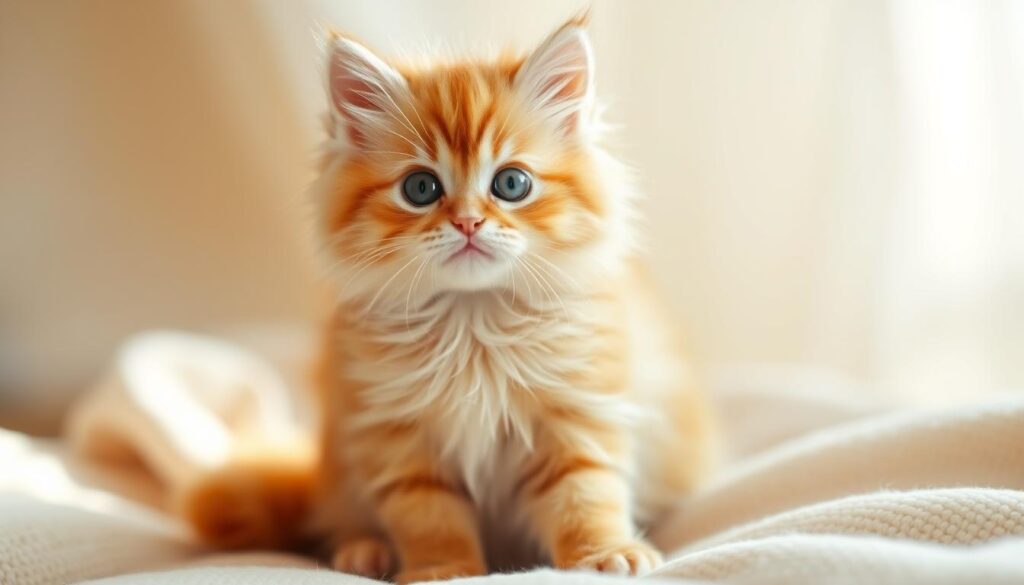
A healthy Persian kitten should have bright eyes, a clean coat, and be active. Check for any signs of illness, such as discharge from the eyes or nose.
Health Certifications to Request
Ensure the breeder has conducted necessary health tests on the kitten’s parents, such as for Polycystic Kidney Disease (PKD).
Questions to Ask Before Purchasing
Ask the breeder about the kitten’s health, diet, and socialization. A transparent breeder will be happy to share this information.
| Health Check | What to Look For |
|---|---|
| Eyes | Bright, no discharge |
| Coat | Clean, no matting |
| Activity Level | Active, playful |
Setting Up Your Home for a Persian Cat
Setting up your home for a Persian cat is a crucial step in ensuring their comfort and safety. As you prepare to welcome your new pet, consider the adjustments needed to create a harmonious living space.
Creating a Safe Environment
To create a safe environment, start by removing hazardous items and securing loose wires. Persian cats, with their long fur, can easily get into trouble by knocking things over or getting entangled in cords.
Essential Supplies Checklist
Here’s a checklist of essential supplies you’ll need for your Persian cat:
| Supply | Description |
|---|---|
| Grooming Brush | Daily brushing is crucial for Persian cats to prevent matting. |
| Food and Water Bowls | Stainless steel or ceramic bowls are recommended for ease of cleaning. |
| Litter Box | A large, low-sided litter box is ideal for easy access. |
Temperature and Comfort Considerations
Persian cats are sensitive to extreme temperatures. Keep your home at a comfortable temperature, and provide a warm, quiet space for your cat to rest.
By following these Persian cat care tips, you can ensure a happy and healthy environment for your new pet.
Training and Socializing Your Persian Cat
To bring out the best in your Persian cat, it’s vital to invest time in their training and socialization. Persian cats, known for their calm and gentle nature, still require guidance to become well-adjusted pets. Their Persian cat characteristics, such as their flat face and long coat, don’t exempt them from needing to learn basic behaviors.
Litter Box Training Steps
Litter box training is a crucial first step. Start by placing your cat in the litter box after meals and naps, when they’re most likely to relieve themselves. Make sure the litter box is clean and easily accessible. Praise your cat when they use it correctly. Consistency is key, so maintain a routine.
Teaching Basic Commands and Boundaries
Teaching your Persian cat basic commands like “sit,” “stay,” and “come” can be achieved through positive reinforcement. Use treats and praise to encourage good behavior. Establishing boundaries is also important; for example, setting rules for furniture access can help maintain a harmonious home.
Socialization Techniques for a Well-Adjusted Cat
Socialization is vital for your cat’s emotional well-being. Introduce your cat to various environments, people, and other pets gradually. This exposure helps them become confident and calm in new situations. Regular playtime and interaction also contribute to a well-adjusted cat.
| Training Aspect | Tips for Success |
|---|---|
| Litter Box Training | Keep the litter box clean, and place your cat in it after meals and naps. |
| Basic Commands | Use positive reinforcement like treats and praise. |
| Socialization | Gradually introduce new environments, people, and pets. |
By following these steps and being patient, you can help your Persian cat become a loving and well-behaved member of your family. Their calm nature makes them a joy to train, and with consistency, they’ll learn to obey commands and behave appropriately.
The Complete Cost Guide of Owning Persian Cats
Owning a Persian cat is a significant investment that goes beyond the initial purchase price. As a prospective owner, understanding the various costs involved is crucial for providing the best care for your pet.
Initial Purchase Price Ranges
The cost of a Persian cat can vary widely based on factors like pedigree, breeder reputation, and location. On average, you can expect to pay between $600 to $1,800 for a pet-quality Persian kitten. Show-quality kittens or those from champion bloodlines can cost significantly more, often ranging from $2,000 to $5,000 or more.
Monthly and Annual Expenses
Monthly expenses include high-quality cat food, grooming supplies, and litter. Annual costs encompass veterinary care, vaccinations, and potential health issues. “The annual cost of owning a cat can range from $500 to $1,000,” according to veterinary experts.
Healthcare and Insurance Considerations
Persian cats are prone to certain health issues, such as respiratory problems and polycystic kidney disease (PKD). Investing in pet insurance can help mitigate these costs. On average, cat insurance can range from $20 to $50 per month, depending on the provider and coverage level.
Conclusion
As you’ve learned throughout this guide, Persian cats are a unique and elegant breed that requires special care and attention. From their distinctive flat face to their beautiful coat, every aspect of their being demands a thoughtful and informed approach to their health and well-being.
By understanding their history, characteristics, and specific needs, you can provide your Persian cat with a happy and healthy life. Regular grooming, a balanced diet, and regular veterinary check-ups are just a few of the essential elements in caring for your Persian cat.
With the right care and attention, your Persian cat can be a loving and loyal companion for many years. By making a lifetime commitment to their care, you can enjoy the many rewards of owning a Persian cat, from their gentle nature to their beautiful appearance.